
These stories showcase both cutting-edge medical innovation and the human spirit that drives it.
Rare Procedure Saves Life in Ashkelon
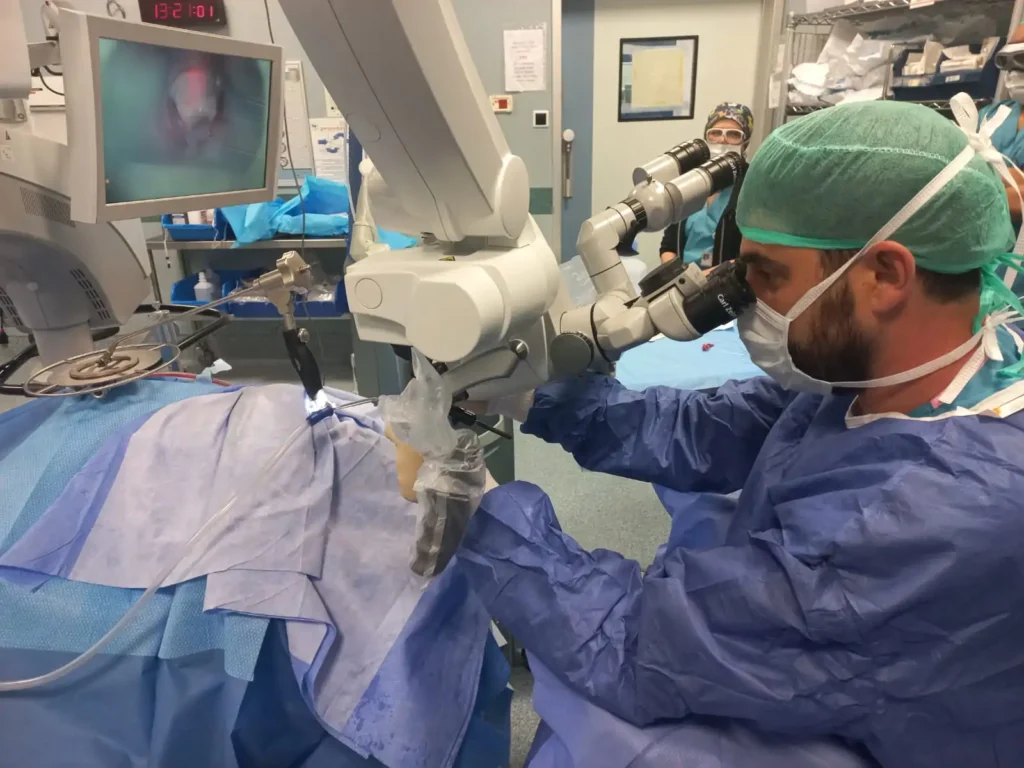
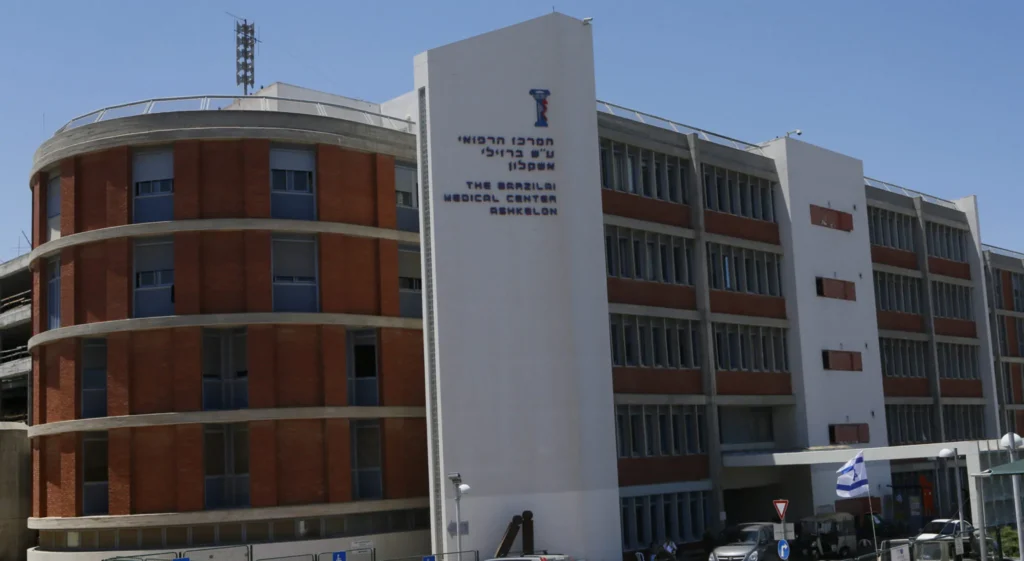
A rare and life-saving heart procedure was performed this week at Barzilai University Medical Center in Ashkelon. Doctors used a balloon catheter to widen a narrowed mitral valve—a procedure carried out only two or three times a year across Israel and considered an effective alternative to open-heart surgery.
The patient, a foreign worker from India, arrived in severe respiratory distress and was diagnosed with pulmonary congestion caused by critical mitral valve stenosis. The narrowing resulted from rheumatic fever—a disease almost nonexistent in Israel today, but one that can cause severe damage to heart valves. Instead of performing valve replacement surgery, the doctors widened the valve using a special balloon, which separates adhesions and improves blood flow. This approach delays the need for major surgery and spares the patient from prolonged anticoagulant treatment.
Watch the rare procedure:
The procedure was led by Professor Chaim Yossefy, head of Barzilai’s cardiology department, in collaboration with the electrophysiology, catheterization, anesthesia, and 3D echocardiography units. Dr. Yoav Turgeman from Emek Medical Center, an experienced specialist in this technique, supervised the operation. The intervention ended successfully, with immediate improvement in heart pressure measurements and significant clinical progress. The patient reported great relief and is now beginning a new chapter with a better quality of life.
Encouraging Numbers: Hundreds of Transplants in Just Months
Since the beginning of 2024, 656 organ transplants have been performed in Israel, according to Dr. Tamar Ashkenazi, Director of the Israeli National Transplant Center. About 65 percent of patients currently waiting for a transplant need a kidney—the most in-demand organ in Israel.
The numbers reflect a positive trend. In 2023, 313 kidney donations from living donors were recorded—a 5.3 percent increase from the previous year. Notably, over 60 percent of those donors were not related to the recipients, a sign of growing public solidarity.
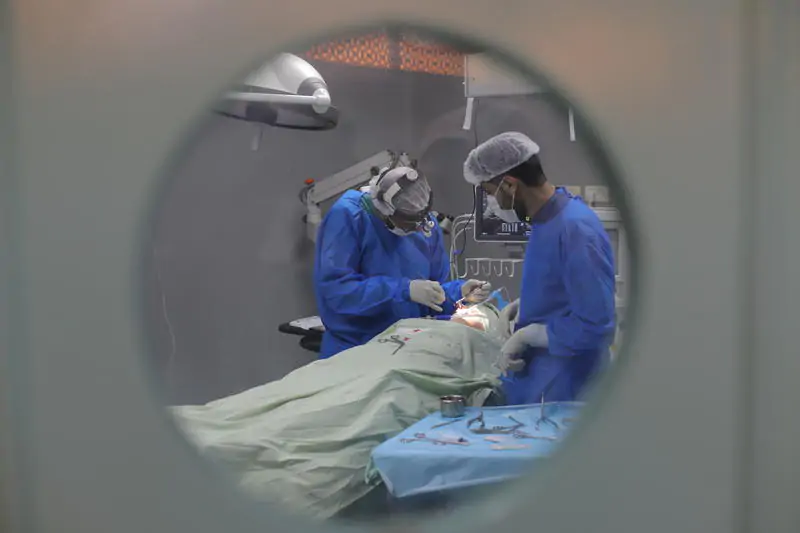
That same year, Israel reached a record 36 heart transplants, and seven kidney transplants were carried out through a cross-border exchange program with hospitals in Cyprus and the Czech Republic.
More than 1.09 million Israelis are now registered as organ donor) cardholders. In 2024 alone, 143 patients received transplant priority thanks to early registration. However, the Ministry of Health has reported a slowdown in new registrations, partly due to the suspension of awareness campaigns in the army and schools because of wartime disruptions.
Uterus Removed and Reimplanted – and a Healthy Baby was Born
At Beilinson Hospital, a groundbreaking medical achievement was recorded: a young woman who underwent a rare uterine transposition succeeded in becoming pregnant and giving birth to a healthy baby. This is the first such case in Israel and only the sixth worldwide.
The patient, in her early 30s, had been diagnosed with colon cancer and underwent pelvic radiation, which can destroy the uterus and impair fertility. She chose to undergo an experimental surgery in which the uterus and ovaries were temporarily detached and sewn into the upper abdomen, above the navel, away from the radiation field. After completing treatment, the uterus was surgically returned to its natural position.
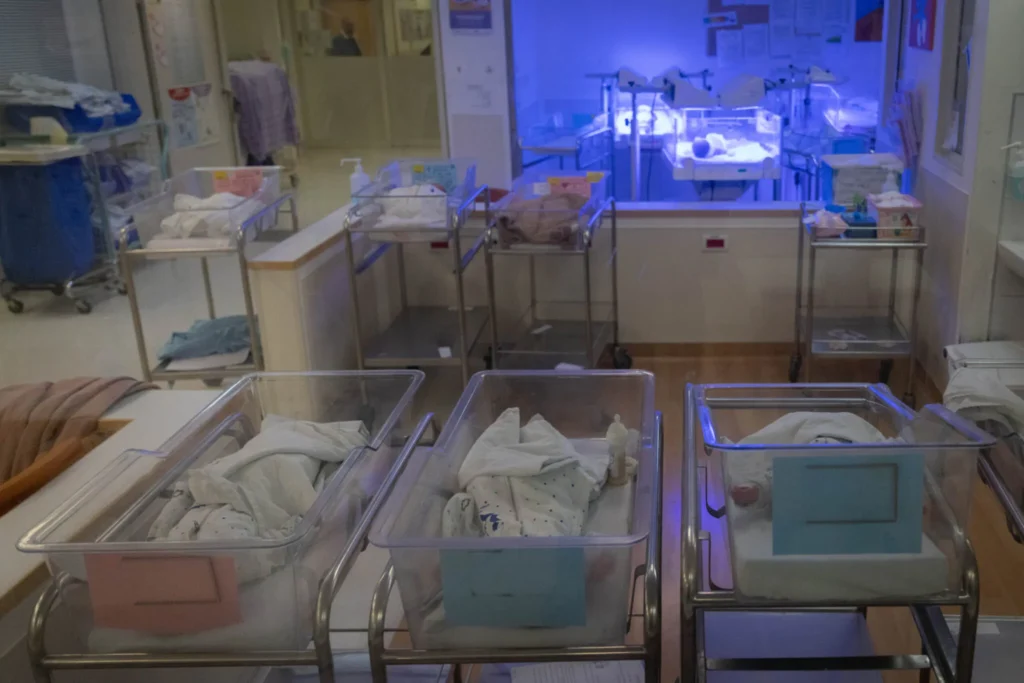
The two surgeries and eventual cesarean birth were performed by Professor Ram Eitan, Director of the Gynecologic Oncology Unit at the Rabin Beilinson Medical Center. “It is rare and inspiring to see a woman who underwent cancer treatments, radiation, and uterine transposition succeed in conceiving and bringing life into the world against all odds,” he said. “When she called to share the joyful news, we were deeply moved—we realized we had pushed the limits of medical science.”
The uterine transposition technique was developed in Brazil in the past decade, and only about 18 women worldwide have undergone it. Of these, just six succeeded in becoming pregnant and giving birth—two of them in Israel, both at Beilinson. For young women diagnosed with pelvic cancers, this complex surgery may be their only chance to preserve fertility.
Linoy Reter, Adi Neiman and Menachem Marton contributed to this article.