

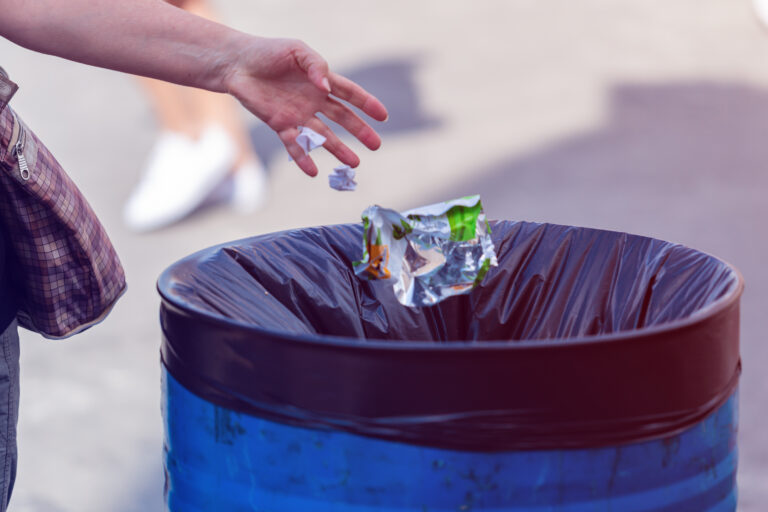
Marking National Clean-Up Day—established by Israel’s Cleanliness Law to promote care for open and public spaces—the ministry released data highlighting communities that are taking cleanliness seriously. From Jerusalem to Jisr az-Zarqa, municipalities large and small are showing real progress.
A Cleaner Israel, One Town at a Time
Israel’s Ministry of Environmental Protection developed a national cleanliness index to track litter in public spaces and help local leaders implement effective change. Since the index launched, dozens of municipalities have introduced public awareness campaigns and infrastructure improvements aimed at curbing littering and fostering civic responsibility.
Minister of Environmental Protection Idit Silman noted that littering costs the Israeli economy an estimated 6.5 to 8 billion shekels annually—but the public response is moving in the right direction.
Communities Stepping Up
According to follow-up surveys, these 63 communities achieved an average improvement of 8% in overall cleanliness. Among those leading the way:
Jerusalem, Be’er Sheva, Har Hevron, Kiryat Arba, Baqa al-Gharbiyye, and Jisr az-Zarqa—a mix of well-established cities and smaller towns, many with strong community networks, rich histories, and growing infrastructures.
The total volume of litter collected across these areas dropped from approximately 300,000 tons to 240,000 tons following the implementation of their local programs.
עוד באותו הנושא
- Selichot Season Opens with Spiritual Power and Unifying Prayer at the Western Wall
- With Hope and Resilience, Hostage Survivors Embrace Life After Captivity
- Israel Strengthens Global Alliances Amid Regional and International Challenges
- Beyond the Conventional: Haredi Soldiers and Wives of Warriors Stand with the IDF
A New National Vision for Cleanliness
“Litter is not our fate,” said Minister Silman. “Keeping our public spaces clean is a shared responsibility. On Clean-Up Day 2025, we’re launching a new path—one that will help turn Israel into a cleaner, more livable country.”
For families, retirees, and young professionals considering a move to Israel, these improvements signal more than just cleaner streets—they reflect communities invested in their future.




How about a list of all 63?