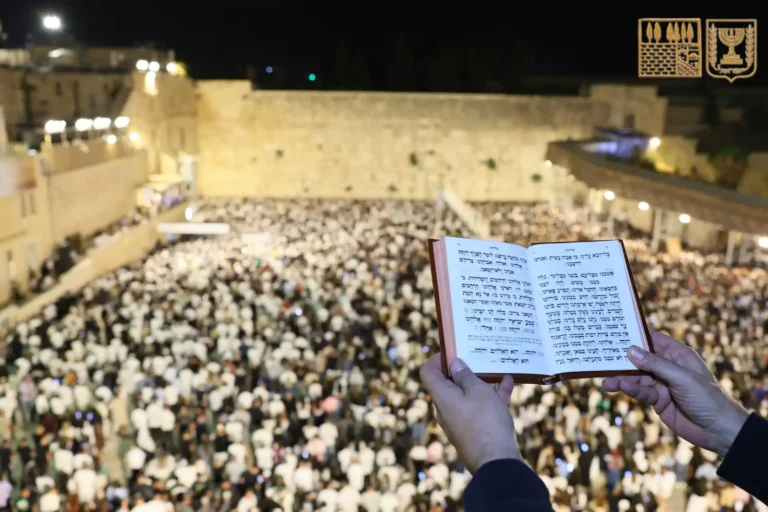
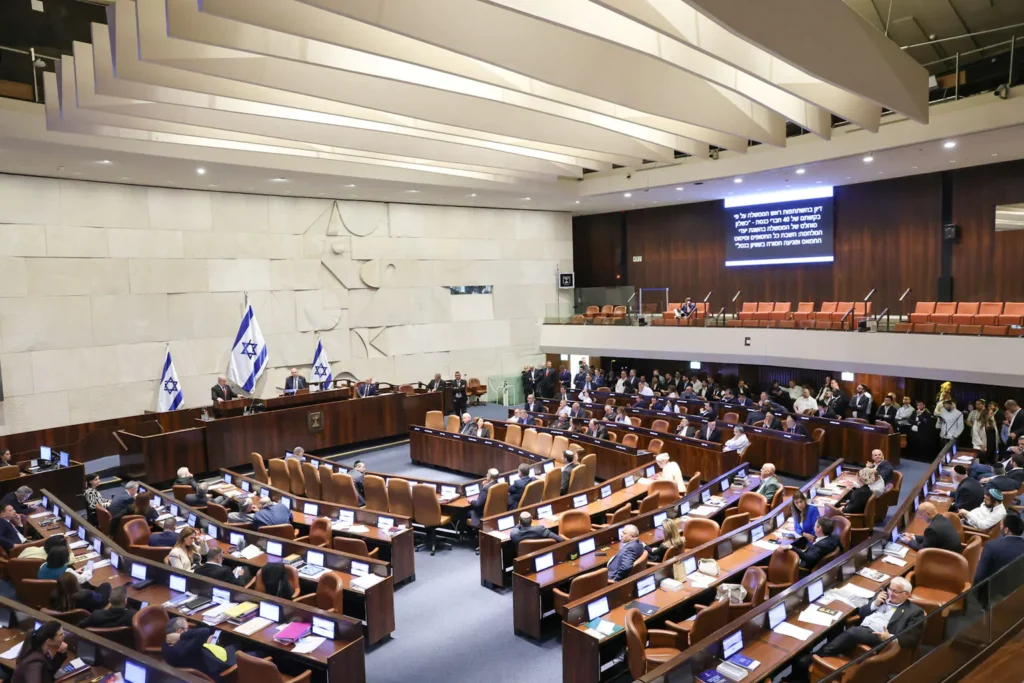
The Knesset plenary held a special session on Tuesday to mark the Farhud—a violent pogrom against Baghdad’s Jewish community that took place during the Shavuot holiday in 1941. Hundreds of Jews were murdered and thousands injured in one of the most traumatic events in the history of Iraqi Jews.
“It Was Either Flee or Die”
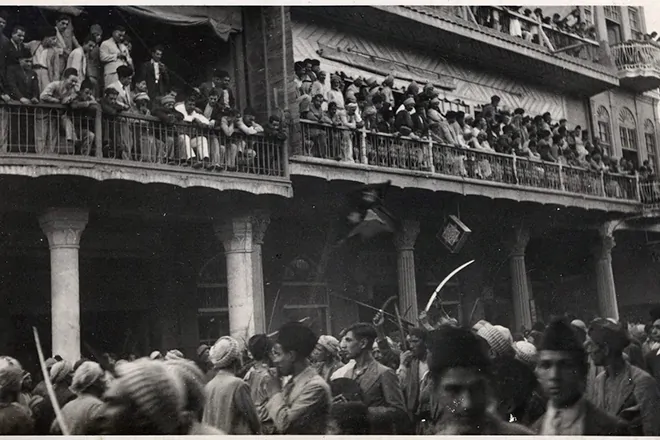
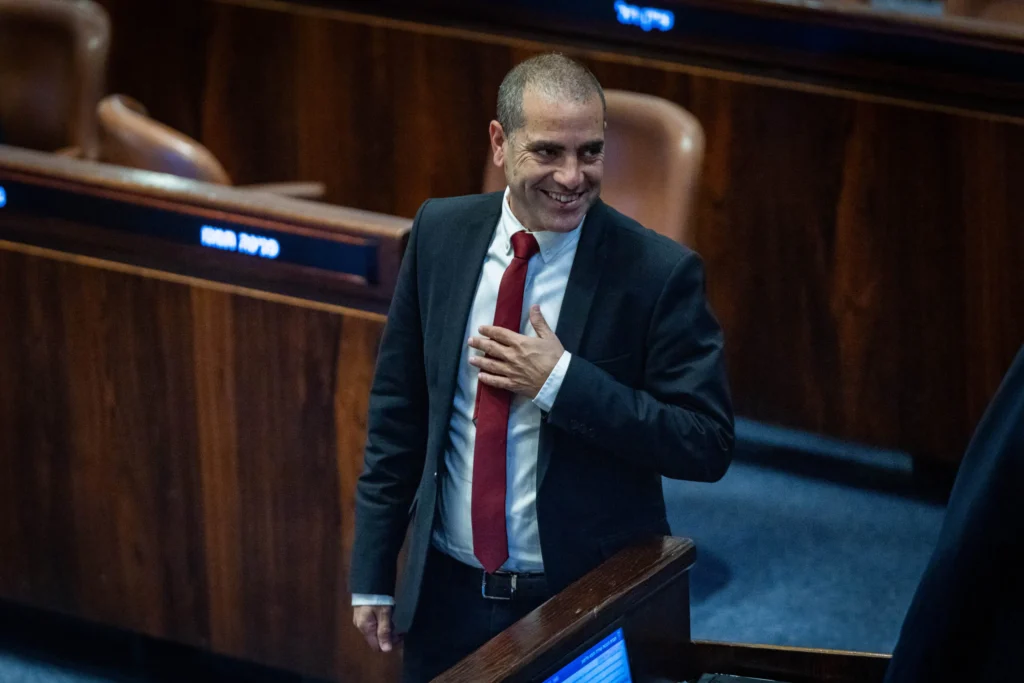
MK Ofir Katz opened the session: “On June 1, 1941, the Farhud broke out—Baghdad’s streets turned into a massacre zone. The cry of ‘Itbach al-Yahud’ (‘slaughter the Jews’) filled the neighborhoods. Muslim residents, who had just days before lived as neighbors with the Jewish community, joined soldiers and police in slaughtering Jews. Women were raped, property was looted, synagogues and Jewish stores were set on fire, and Torah scrolls were desecrated.”
Katz shared the story of his grandmother, Chahla, who was five years old at the time: “She and her family had to move from house to house, hiding in order to survive. She had never encountered such hatred; she didn’t know such evil existed. Fear paralyzed her and her family—it was either flee or die.”
“Our Duty Is to Pass This History On”
Katz said his grandmother was ultimately saved by a Muslim family that agreed to hide her and her relatives: “Baghdad was no longer the place she had grown up in. The city was wounded and broken. The Jewish community couldn’t recover from the horrors they endured.”
“Today, there are 18,000 Jews living in Israel who survived the Farhud. The wound has never fully healed. Iraqi Jews never demanded much in return from the state—but the recognition of what they went through, and the hardships they faced before immigrating to Israel, is something I have committed to preserving and telling.”
“This is our responsibility—our role is to pass on to future generations what their grandparents went through in the Diaspora, until the Jewish state was established,” Katz said.
“He Survived the Farhud, But Not the Atrocity of October 7”
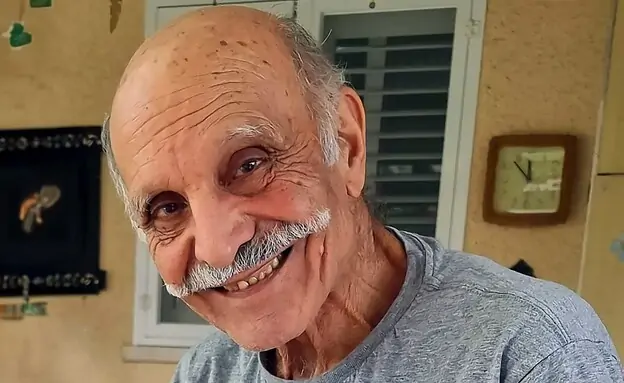
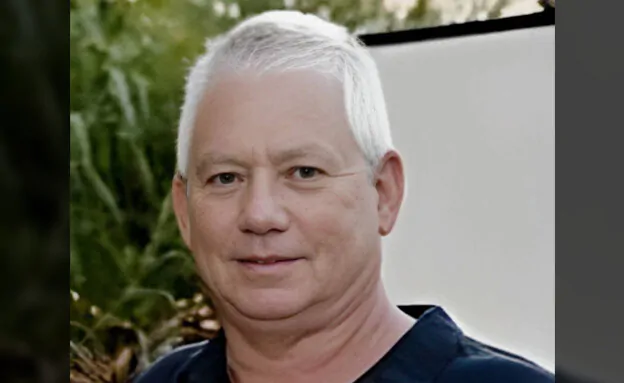
One survivor of the Farhud was the late Shlomo Mansour, who was kidnapped from Kibbutz Kissufim on October 7, murdered in Hamas captivity, and whose body was returned to Israel several months ago. During the Farhud, his family home was attacked, his parents were beaten, and even the family dog was shot. Shlomo fled to the roof and witnessed horrors that stayed with him his entire life.
His niece recalled: “He saw with his own eyes the abuse of his family and neighbors by Muslim rioters—atrocities that the mind cannot grasp and the hand struggles to write.” He later made aliyah to Israel, believing he was now safe.
His daughter shared that the family was saved by an Arab woman who entered and told the rioters it was her house—successfully turning them away. “There were good neighborly relations with some of the Arabs,” she noted.
“In childhood, he survived the Farhud,” his sister Hadassah Lazar once said. “But in his old age, he did not survive the horror that befell us on October 7. He was a man of a rare kind.”