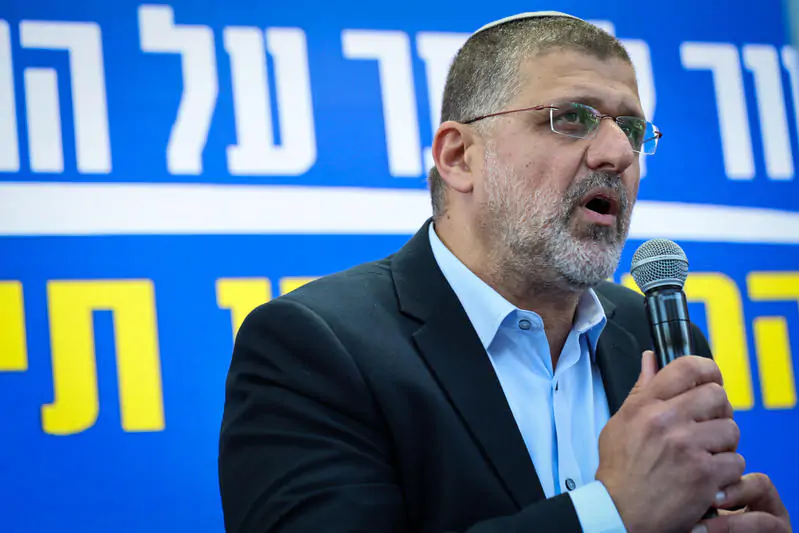


A new bill submitted today (Monday) to the Knesset aims to put an end to the recurring pattern of politicians shutting down political parties burdened with debt—only to open new ones with fresh public funding.
Repaying Old Debts
The bill, proposed by MK Avichay Boaron (Likud), stipulates that any leader of a new political party must first pay off the debts of previous parties they were involved with, as a condition for receiving state financing.
The legislation does not prohibit the formation of new parties. Rather, it mandates that any public funding first be directed toward settling outstanding debts from previous political ventures.
A Flawed Practice
The bill’s explanatory notes state: “In recent years, we have witnessed a troubling phenomenon in which parties that fail to win re-election are left with substantial debts—both to the state treasury and to private suppliers—due to mismanagement of funds. In some cases, those who led these indebted parties have attempted to establish new ones without first addressing the outstanding obligations of their former parties.”
A Lesson from Bennett?
The two parties previously led by former Prime Minister Naftali Bennett—The Jewish Home and Yamina—have collectively amassed debts totaling approximately 20.5 million shekels. This includes 4 million shekels owed by The Jewish Home and an additional 16.5 million shekels owed by Yamina.
The proposed law may also affect other political figures, such as Stav Shaffir and Ehud Barak, whose former parties also owe significant sums to the state.