

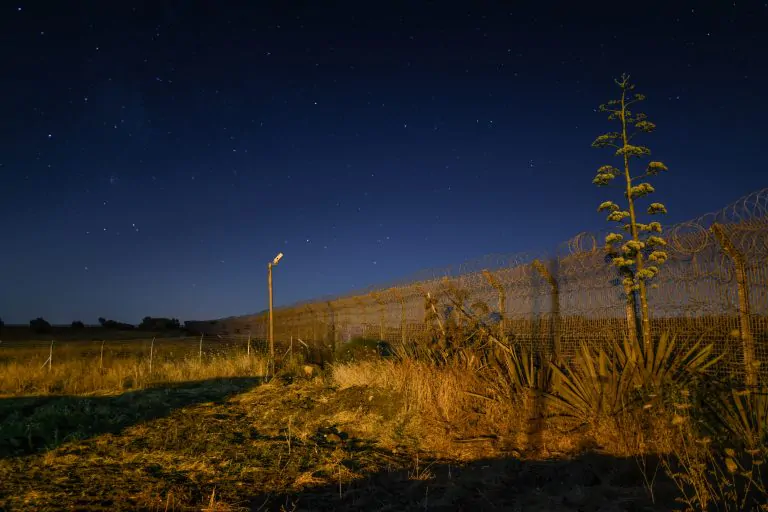
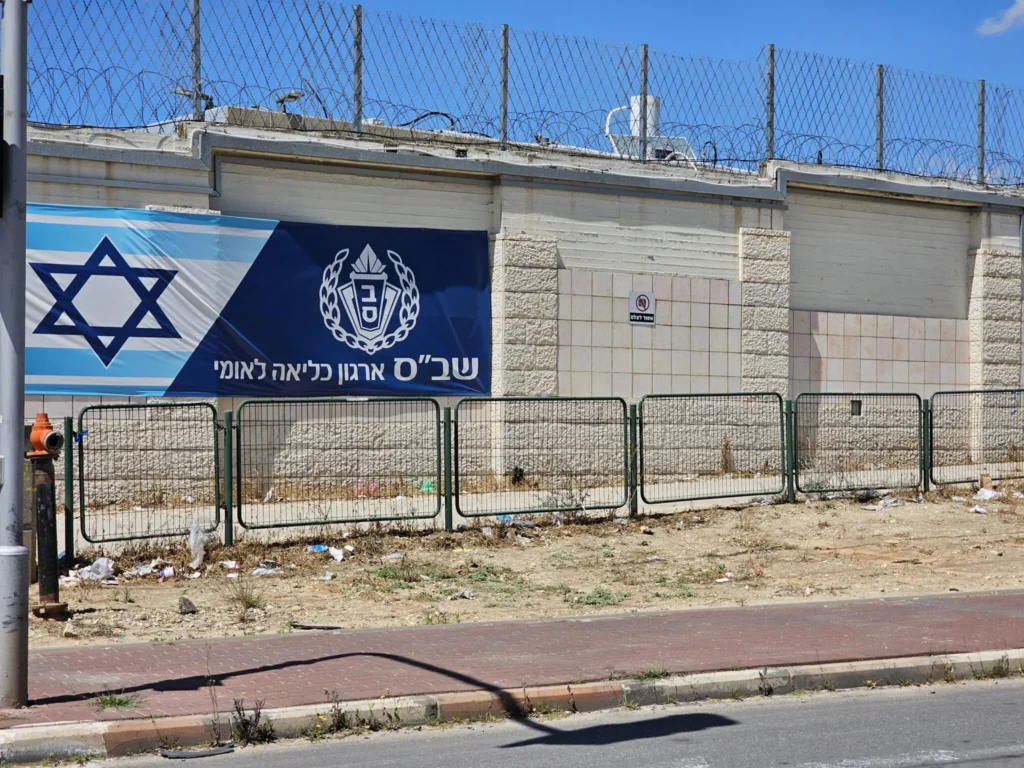
The Knesset’s National Security Committee approved this morning (Wednesday) the first reading of a bill titled “Protection of IDF Bases,” which seeks to raise the punishment for unauthorized entry into a military base from 3 to 7 years in prison.
According to the proposal, the amendment to the Penal Code is designed to deter unauthorized access—an increasingly frequent issue in recent years, particularly in light of weapons thefts from bases and the transfer of sensitive information to hostile elements. The law would also require the Minister of Defense and the State Attorney to submit an annual report to the committee detailing the number of such incidents, indictments, and verdicts.
“This law saves lives”
The bill’s sponsor, MK Yitzhak Kroizer, explained the rationale: “Weapons stolen from IDF bases end up in the hands of criminals and sometimes even the enemy. They kill civilians. This law saves lives.”
He added, “No one enters a base by mistake,” and emphasized that in a law-abiding country, a strong deterrent is essential to prevent such intrusions into IDF areas.
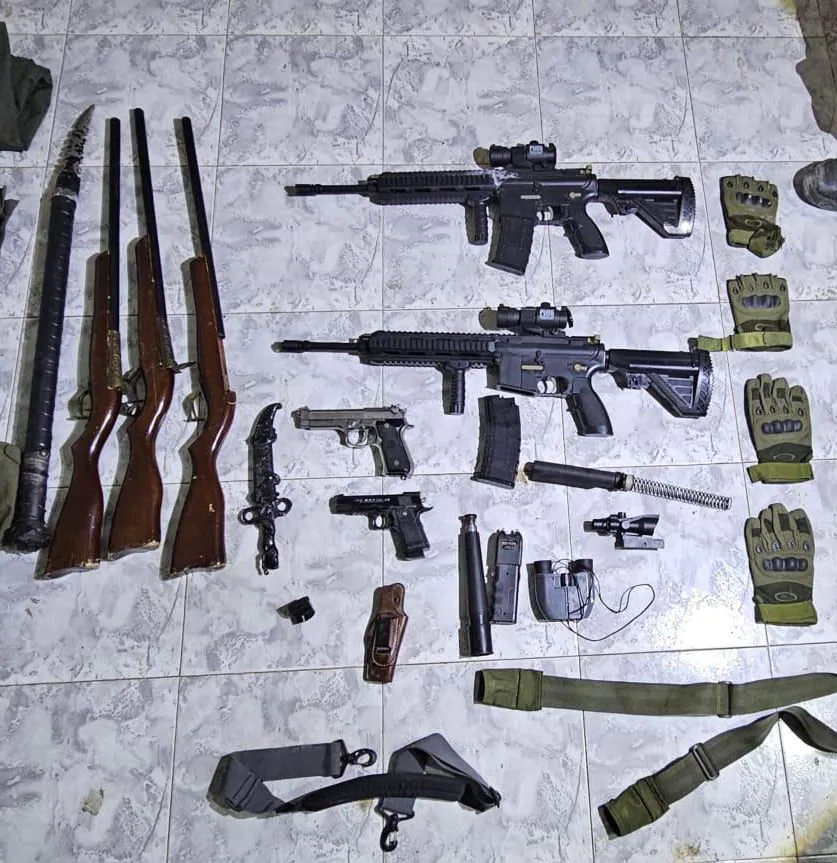
Committee Chairman MK Zvika Fogel also emphasized the importance of the initiative as part of the wider fight against armed crime: “Weapons—not money or vehicles—are the primary tool of criminal organizations. Their main source is IDF bases.”
Ministry of Justice and Public Defender: Caution Required
Representing the Ministry of Justice, Attorney Avigail Son Feldman confirmed that prior discussions led to a compromise: a maximum penalty of 7 years instead of the originally proposed 10. She noted there would be no minimum sentence and that the tougher punishment would not apply in cases of simple loitering.
The Public Defender’s Office expressed reservations. Attorney Yishai Sharon argued that harsher sentencing does not necessarily enhance deterrence, and that sufficient data on the scope of the problem had not been provided. He added that alternative penalties should also be considered—those that are effective and proportionate.