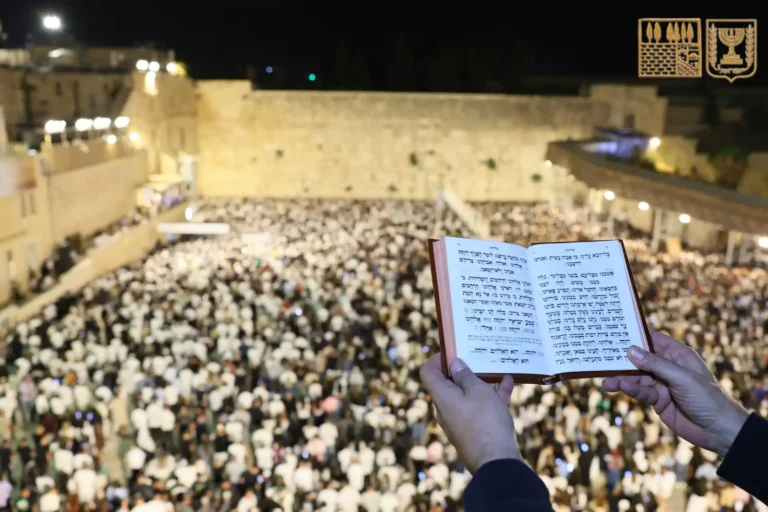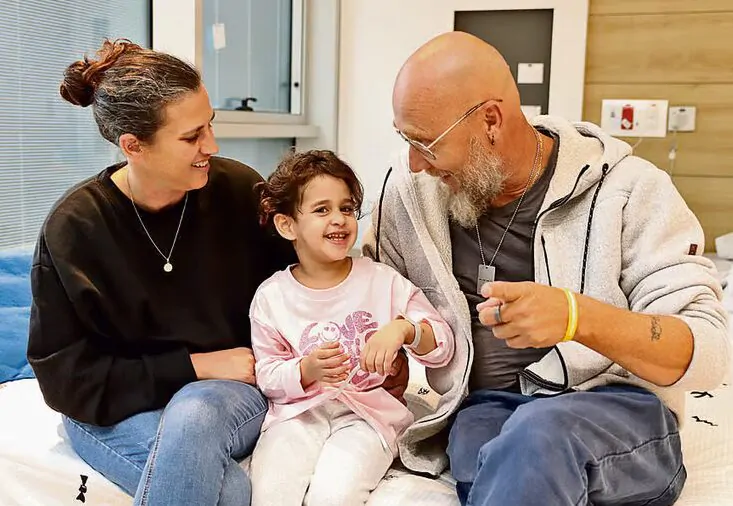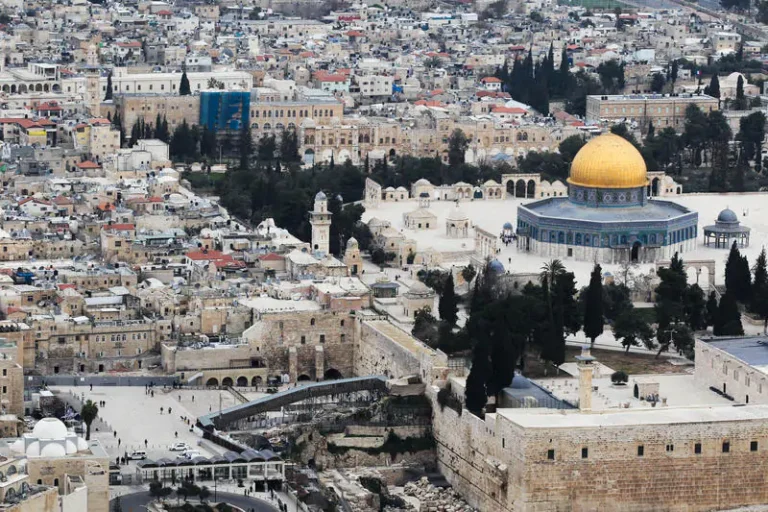
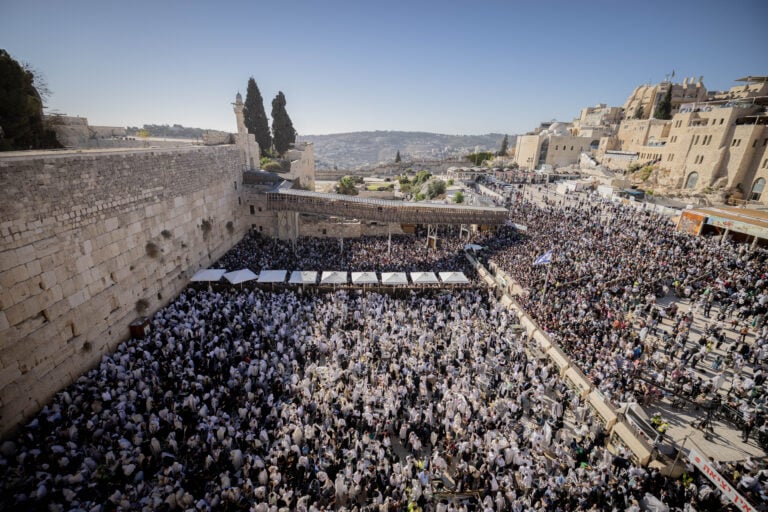
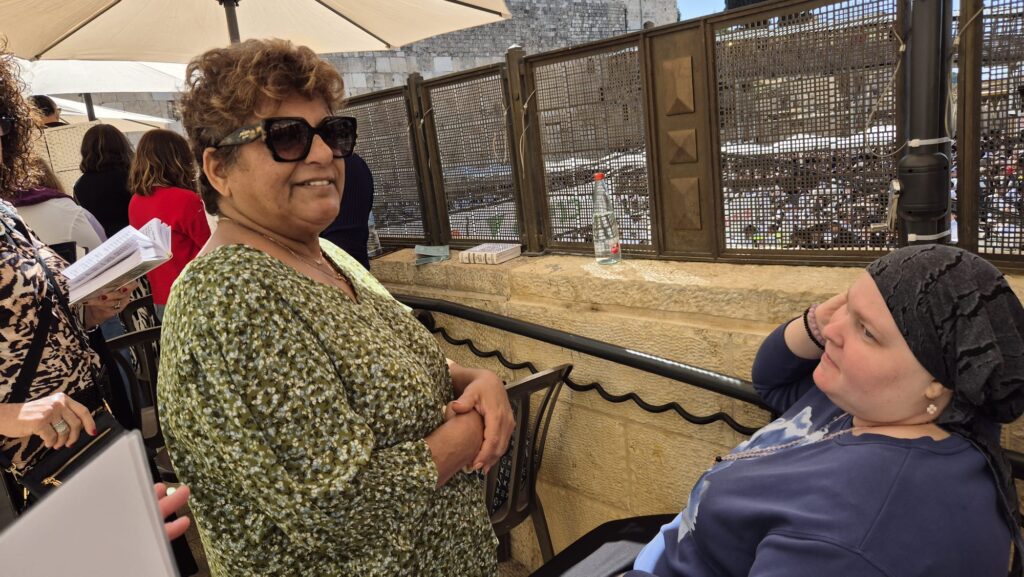
Tens of thousands of worshippers gathered at the Western Wall Plaza in Jerusalem this morning (Thursday) for the traditional Birkat Kohanim ceremony held during the intermediate days of Passover. Among those present were Rachel Edri of Ofakim and Lea Yanai, sister of Moran Yanai, who was freed from Hamas captivity. Following the main prayers, special supplications were recited for the return of the hostages, the healing of the wounded, and the safety of IDF soldiers.
The Priestly Blessing—A Tradition Born in Wartime
The event was led by Western Wall Rabbi Shmuel Rabinowitz, joined by thousands of kohanim and tens of thousands of worshippers. The Priestly Blessing was recited twice—once during Shacharit and again during Musaf—and concluded with a prayer for peace and unity. This tradition began more than 50 years ago during the War of Attrition, initiated by Rabbi Menachem Mendel Gafner, with the goal of strengthening the people of Israel during a time when the Temple lay in ruins.
Watch the live broadcast here:
October 7 Heroes at the Western Wall
Among those seen at the event was Rachel Edri of Ofakim, who became a symbol of courage after surviving a terrorist attack in her home. Also present was Lea Yanai, sister of Moran Stella Yanai, who was kidnapped from the Nova music festival and later released. On Tuesday, Eliya Cohen—a survivor of Hamas captivity—also took part, along with the families of hostages Segev Kalfon and Uriel Baruch.
Getting to the Western Wall: Special Holiday Transit Plan
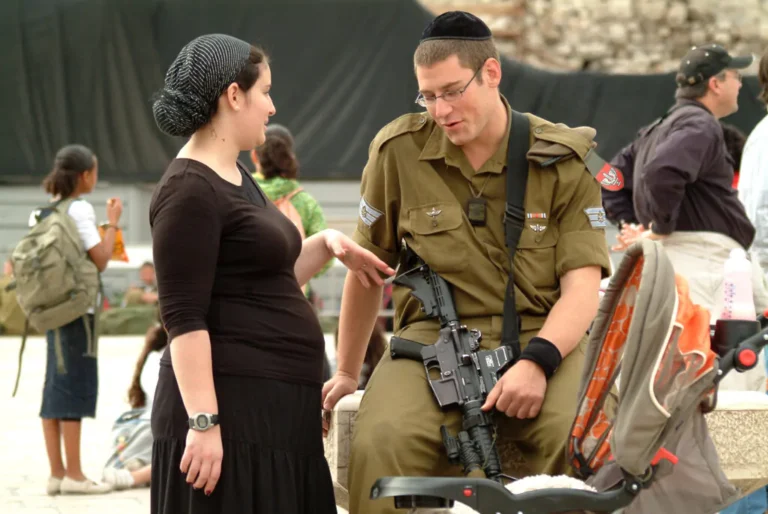
For the duration of Passover, private vehicles were barred from entering the Old City, and a “Park and Ride” system was set up at key locations across Jerusalem. Dedicated bus lines—such as 1, 3, 111, and 333—were adjusted to run directly to the Western Wall throughout the night, with additional service on holiday evenings and nights following the holiday. Line 2 service was temporarily suspended, while line 38A continued to run exclusively between the Mount Zion parking lot and the Wall.