
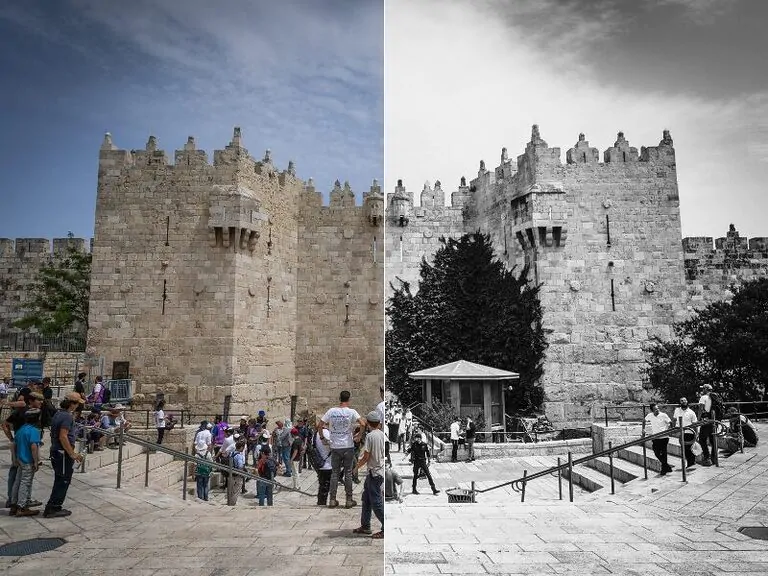
From the Western Wall Plaza, once a narrow alley, to Jaffa Gate, which was opened in honor of the German Kaiser, and the First Station, transformed from an Ottoman train depot into a vibrant cultural hub—Jerusalem is full of places that have changed their appearance. Winding alleys have become spacious promenades, historic buildings have been restored and opened to the public, and overlooked sites have turned into thriving attractions. Even as it preserves the past, the city continues to evolve, renew itself, and blend memory with vibrant, modern life. The journey from “then” to “now” shows how Jerusalem constantly rebuilds itself—without ever forgetting its roots.
The Western Wall Plaza: From a 3-Meter Alley to a 20,000 m² Public Square
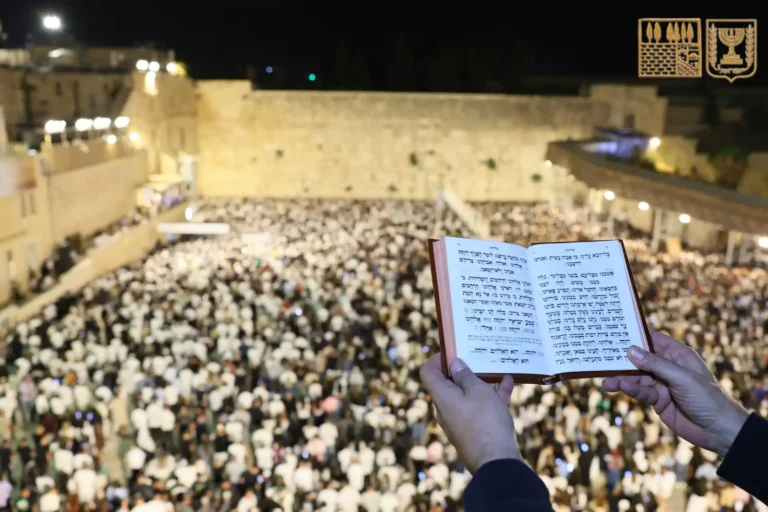
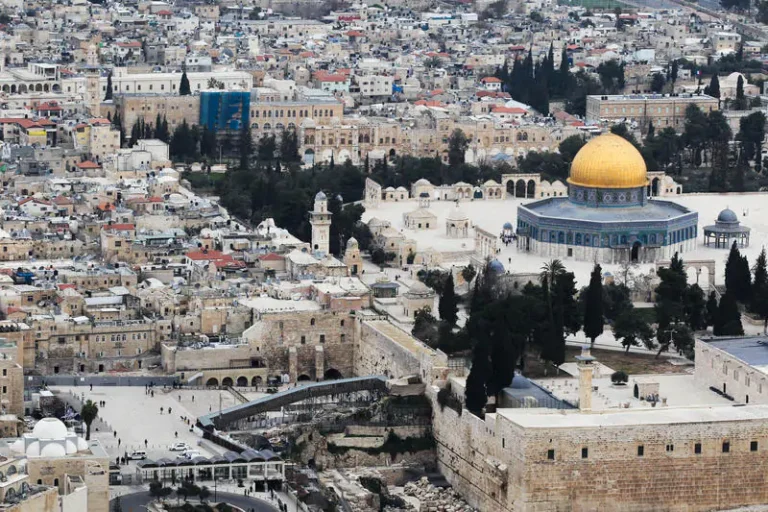
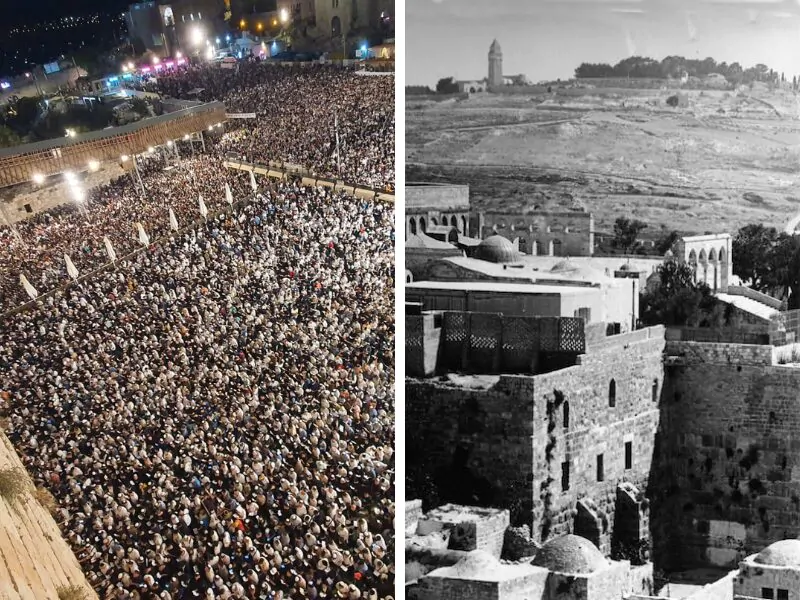
On June 10, 1967, immediately after the liberation of the Temple Mount, IDF bulldozers cleared away the homes of the Mughrabi Quarter and dismantled the narrow stone wall that had hidden the Western Wall—a cramped 3.6-meter-wide alley where worshippers had squeezed in for decades.
Within days, a temporary plaza was established. In the following years, it expanded into a 20,000-square-meter space capable of holding some 60,000 people during festive prayers—dimensions that were unimaginable when the Wall was photographed near 1966, while Jordanian Legion troops were still stationed nearby.
The Western Wall: Then and Now
Jaffa Gate: The Kaiser’s Breach and a 21st-Century Square
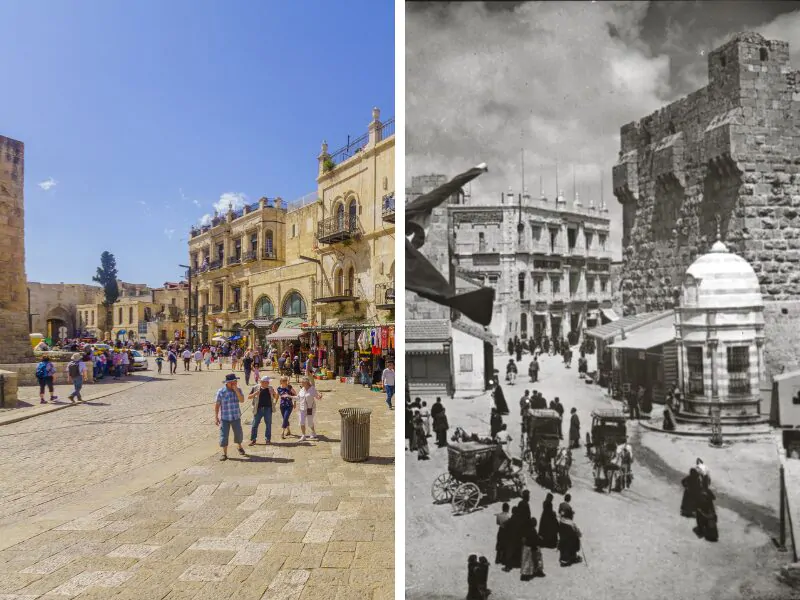
In 1898, the Ottoman authorities opened a new breach in the city wall to allow German Emperor Wilhelm II to enter by carriage. Photographs from 1880–1900 show a narrow gate surrounded by a muddy trench and a camel khan.
In 2004, city engineers removed the road that had once cut through the citadel, created a broad pedestrian plaza, and connected it to Mamilla. The result: a transformation from a crumbling commercial gate into a polished stone piazza that now hosts festivals and state receptions.
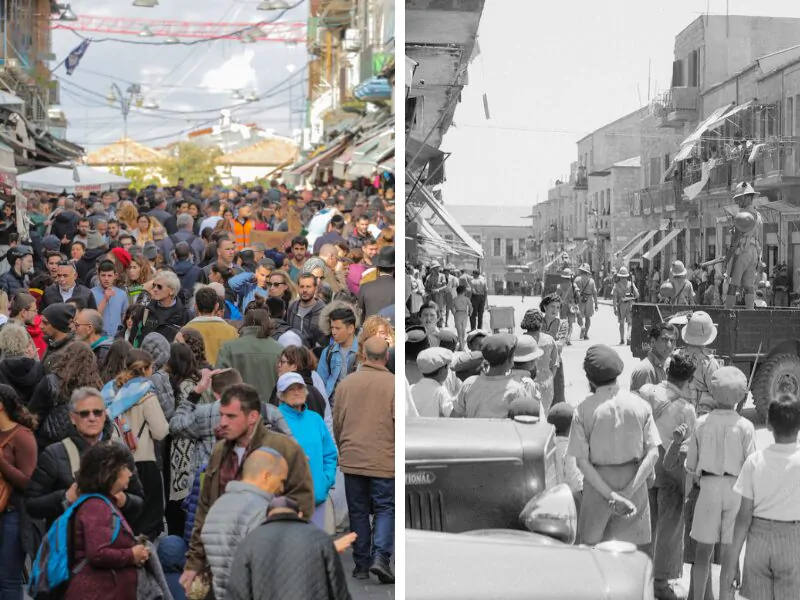
Mahane Yehuda Market: From Produce Market to Culinary Hub
In 1928, British Mandate officials cleared away the market’s makeshift stalls, installed orderly tin roofs, and gave it its official name: Mahane Yehuda.
A hundred years later, the market has more bars than tomato crates. A centennial article noted that the stalls close at six—and by eight, DJ music echoes over beer barrels.
The transformation has turned the shuk into a global nightlife hotspot, but it has also sparked debate about whether the market has lost its original identity as a place for fresh produce.
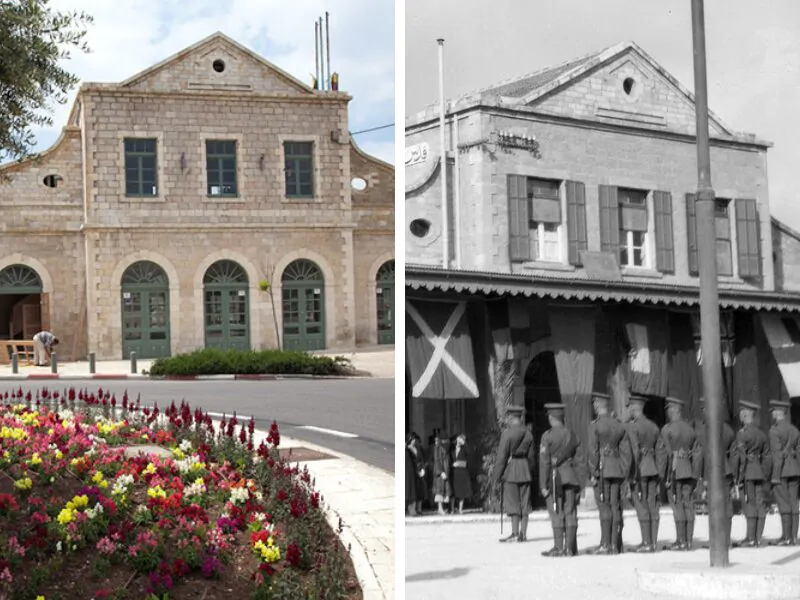
The First Station: From Steam Train to Cultural Center
The Ottoman-era train station, opened in 1892, welcomed passengers on the Jaffa–Jerusalem line and, at its peak, transported 30,000 tons of goods annually. After decades of abandonment, “The First Station” reopened in May 2013 as a complex of art, restaurants, and fitness venues.
Tens of thousands of visitors came during the first Shavuot after its reopening—posing for photos beside the restored railcar, skateboarders, and digital lawns.
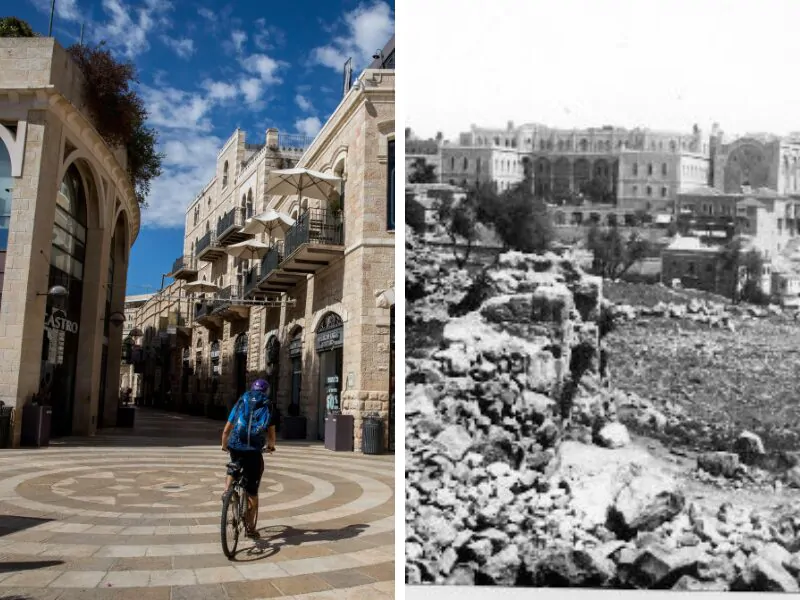
Mamilla: From Ruined Border to Luxury Promenade
Originally built in the 19th century as a Jewish–Arab commercial hub, Mamilla was abandoned during the 1948 War and became a desolate border zone until 1967.
After 37 years of planning, the Mamilla Mall and promenade opened in 2007—610 meters of polished Jerusalem stone, 140 stores, and dozens of outdoor sculptures.
Photos of the ruins from the 1970s now sit side-by-side with snapshots of the thriving startup-nation energy pulsing along the same path.
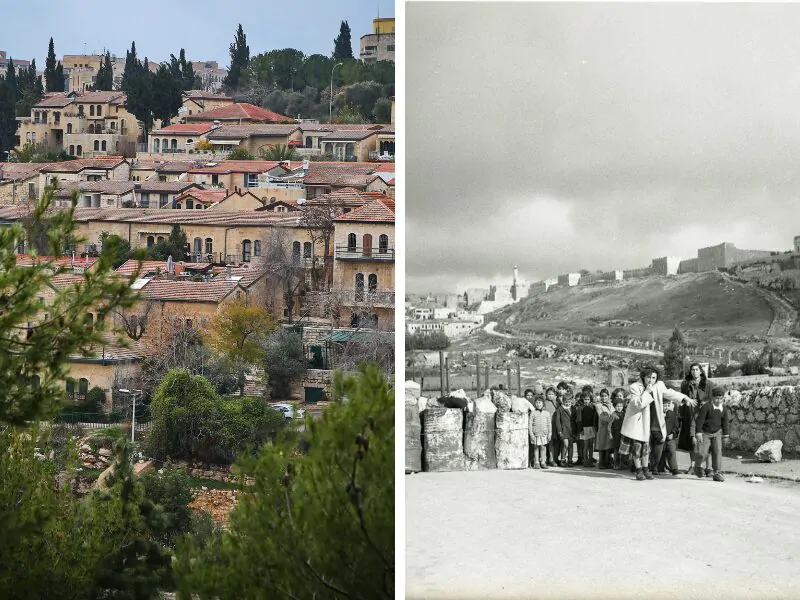
Yemin Moshe: From 1857 to 2012
Moses Montefiore built the windmill as a Jewish employment initiative outside the city walls, but Jerusalem’s winds didn’t meet expectations, and the mill was abandoned by the end of the 19th century.
In 2012, the windmill was restored with funding from a Dutch Christian organization. New blades were installed, and the structure once again began turning—visible to visitors strolling along the Sherover Promenade.