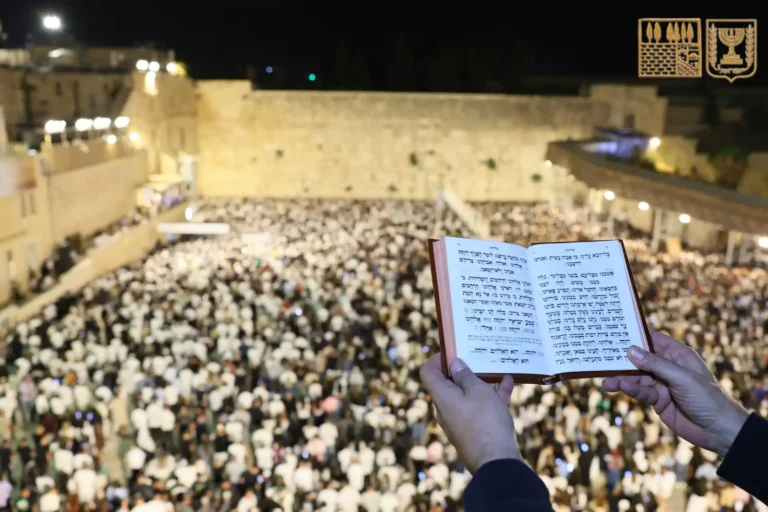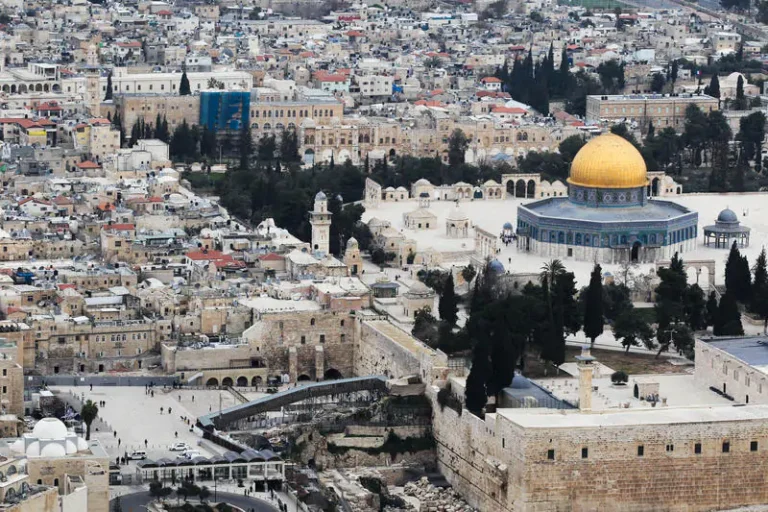

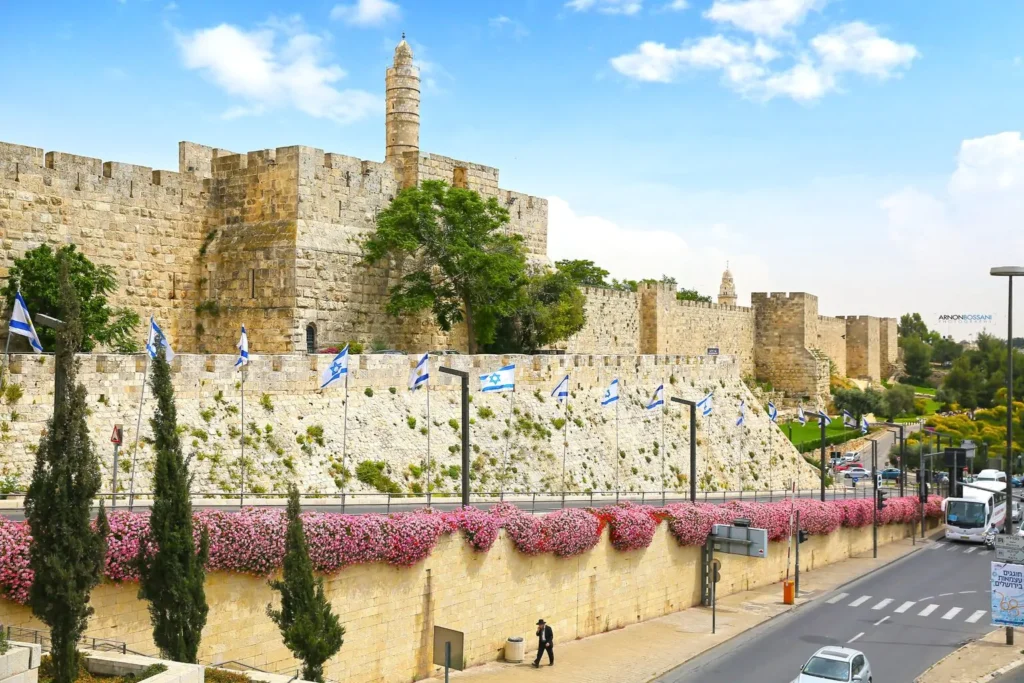
To mark Jerusalem Day, which begins today (Monday), the municipality has released updated and comprehensive data about developments in the city. The numbers paint a clear picture: Jerusalem is undergoing a broad renewal—across population growth, construction, transportation, culture, education, and community life.
More than 9,000 new housing units
Jerusalem currently has a population of 1,046,300—double that of Tel Aviv. In 2024 alone, building permits were approved for 7,700 new housing units, with over 9,000 of them part of urban renewal (pinui-binui) projects. Tens of thousands more units are in various stages of planning.
400,000 trips daily
The capital is also making a major leap in transportation: The light rail network, operating along the Red and Green Lines, now includes about 77 stations and sees approximately 400,000 trips each day. The Blue Line is already under construction, and the city has over 40 kilometers of dedicated public transport lanes.
Jerusalem continues to promote green transportation, with about 90 kilometers of bike paths throughout the city. In parallel, a modern and accessible public transit system is steadily expanding. Tens of thousands of residents have already joined the shared transportation revolution, with more than 41,000 downloads of the YeruFan bike rental app.
A cultural renaissance
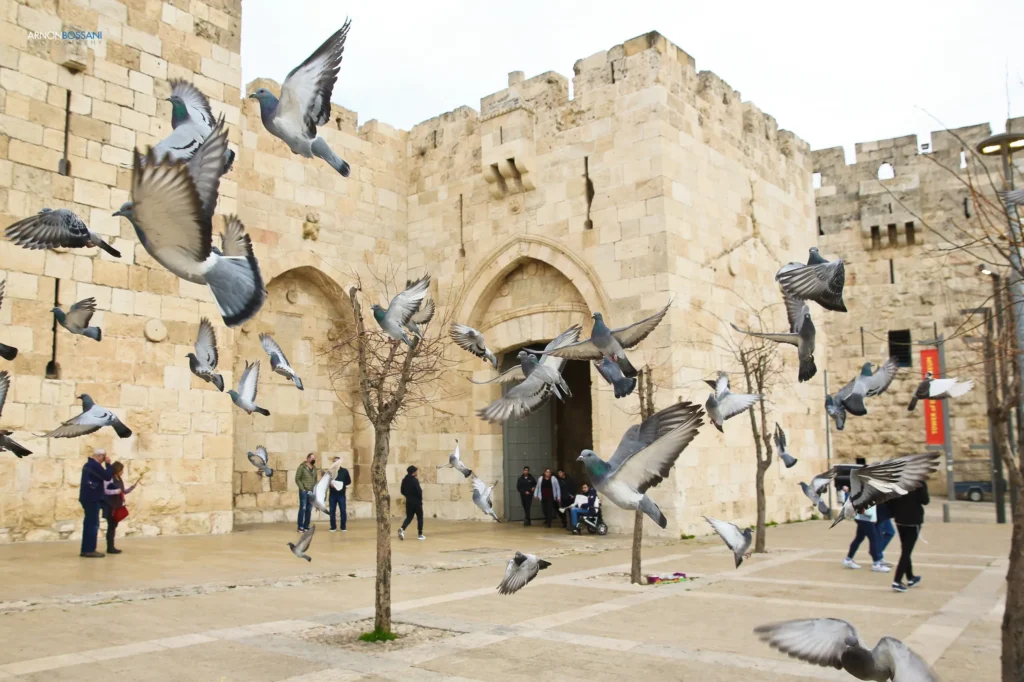
Jerusalem is currently home to about 150 hotels offering roughly 15,000 guest rooms. More than 400,000 visitors toured the city’s main attractions, and the Ministry of Tourism continues to invest significantly in hotel development and tourism infrastructure.
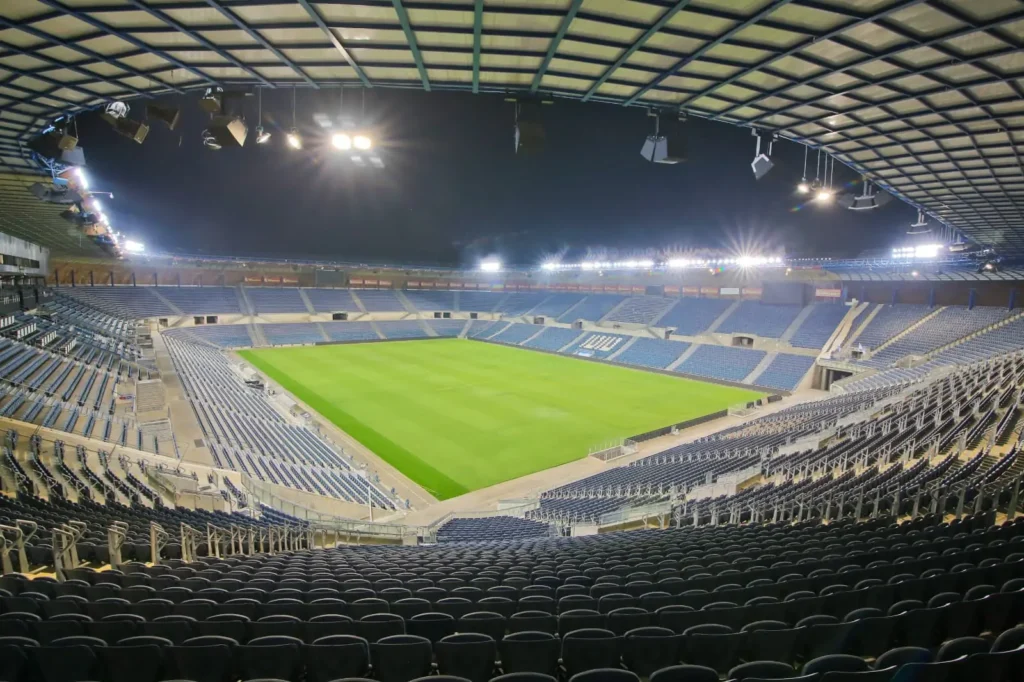
Cultural life in the city is vibrant: dozens of festivals, hundreds of cultural institutions, around 700,000 participants in major sports events over the past year, and thousands of activities spanning the arts, sports, and leisure.
Israel’s largest education system
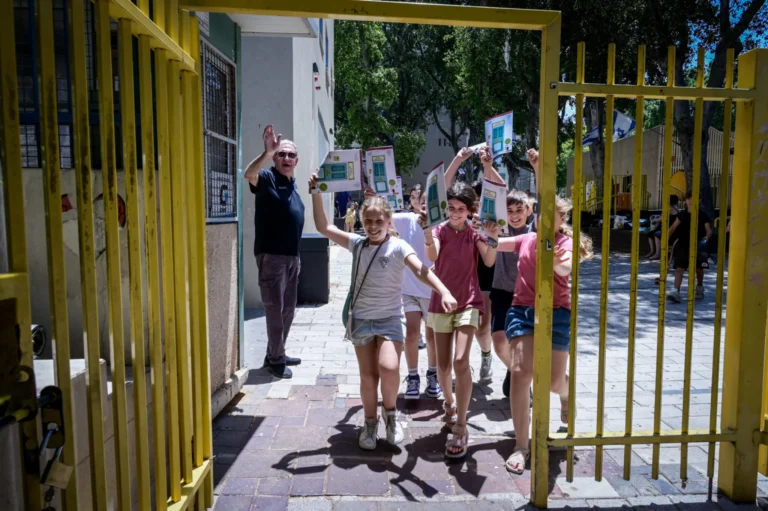
The city’s student population exceeds 292,000, with 866 schools, 2,697 kindergartens, and 47,000 university students, making Jerusalem the largest academic and educational center in Israel. The city also operates 32 community centers and dozens of community gardens.
As for sanitation and public space maintenance, the city manages thousands of light poles, security cameras, playgrounds, underground trash bins—and removed 500,000 tons of waste this year.