Amid renewed and complex negotiations between the United States and Iran, the White House National Security Council has announced the appointment of Merav Ceren as head of its Israel-Iran desk.
Ceren, an Israeli-American with a clear security background and long-standing diplomatic experience in Washington, is expected to take on one of the administration’s most sensitive policy portfolios. She brings with her a principled and cautious approach toward Iran’s attempts to improve its ties with the West.
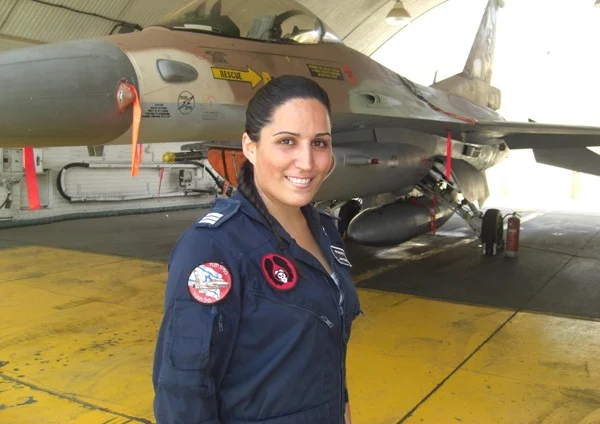
Security Credentials and Public Policy Experience
Born in Haifa and raised in the United States, Ceren has served in a variety of high-level policy positions—ranging from roles at Israel’s Ministry of Defense to senior advisory positions in the U.S. Congress and Senate. She has worked on regional security analysis, served as a researcher in the Coordinator of Government Activities in the Territories (COGAT), and participated in negotiations with Palestinian officials.
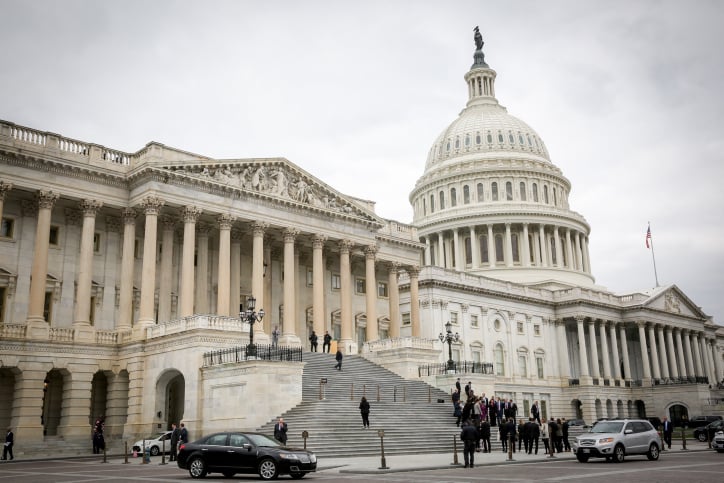
Later, she worked with leading research institutions including the Foundation for Defense of Democracies (FDD) and the Jerusalem Center for Public Affairs. Her work has focused on advancing a conservative U.S. foreign policy rooted in regional security priorities. Ceren is fluent in Hebrew and well acquainted with the Israeli public mindset.
Sharp Criticism of Engagement with Tehran
Over the years, Ceren has voiced pointed criticism of the 2015 nuclear agreement with Iran, arguing it created a false sense of temporary stability while giving disproportionate advantages to the regime. In her view, without effective sanctions enforcement, Iran remains economically viable and continues to push forward its nuclear ambitions under a civilian disguise.
In a tweet from this past April, she wrote: “Without these sales, Iran would have recorded a trade deficit of $16.8 billion.” She also warned against the gradual easing of sanctions, stating it “weakens America’s bargaining power.”
Outspoken Against Antisemitism and Anti-Israel Bias
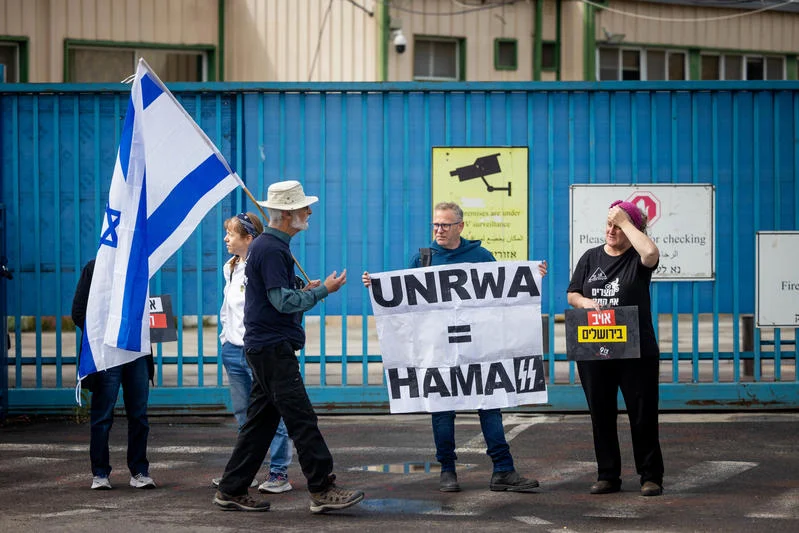
Ceren is also known for her strong public opposition to antisemitism and anti-Israel sentiment in the U.S. Following the October 7 Hamas attack, she called out the role of organizations like UNRWA in incitement and urged a thorough investigation into the UN agency’s involvement in terrorism.
Even during her student days at the University of California, Ceren led a prominent pro-Israel advocacy campaign—including bringing to campus a bus that had been bombed in a terrorist attack, to vividly illustrate the security reality faced by Israeli civilians.
Meanwhile, Nuclear Talks Continue
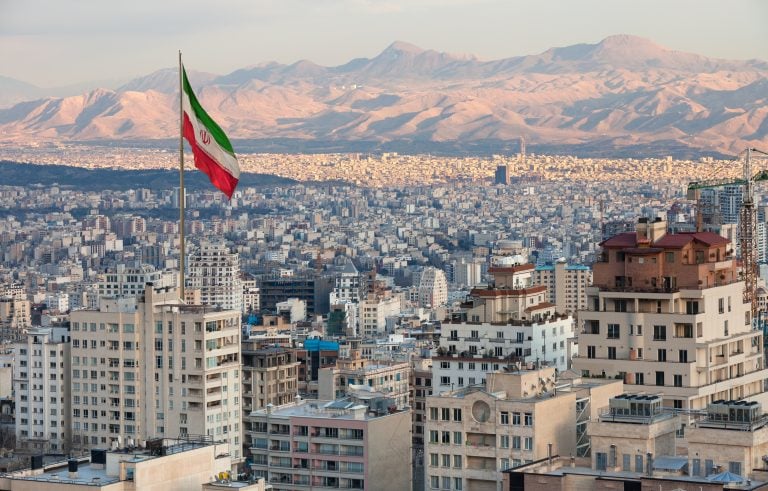
Ceren—who has yet to comment publicly since assuming her new position—steps into the role at a critical time, as indirect negotiations between the U.S. and Iran continue. A second round of talks took place last weekend in Rome, mediated by Oman, where both sides reported “a better understanding of principles and goals.” Another round is expected this coming Saturday.
Meanwhile, Israeli security officials continue to monitor the talks with concern. The defense establishment is focused on preventing Iran from achieving nuclear weapons capability, and Prime Minister Netanyahu has reiterated: “If we don’t stop Iran now—we will pay a heavy price in the future.”