

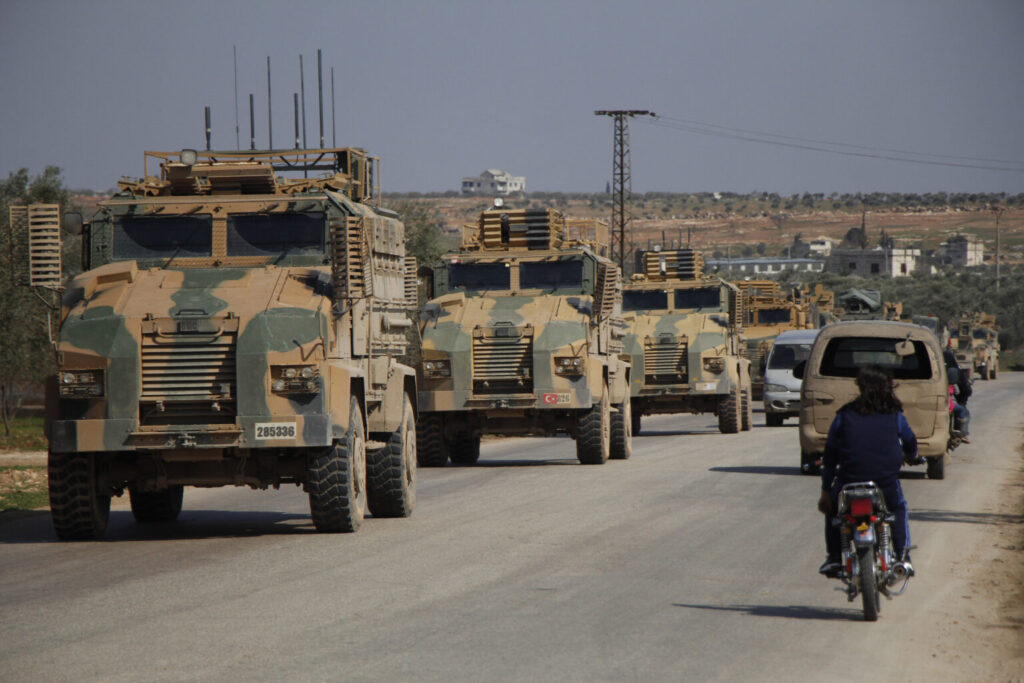
A senior Israeli official confirmed Thursday that a formal meeting took place yesterday between Israeli and Turkish representatives in Azerbaijan. During the meeting, Israel issued a clear and forceful warning to Turkey over its military deployment in Syria.
According to the official, Israel made it unequivocally clear that the establishment of Turkish military bases near Palmyra (Tadmor) would be viewed as a serious escalation—a breach of protocol and a crossing of a “red line.”
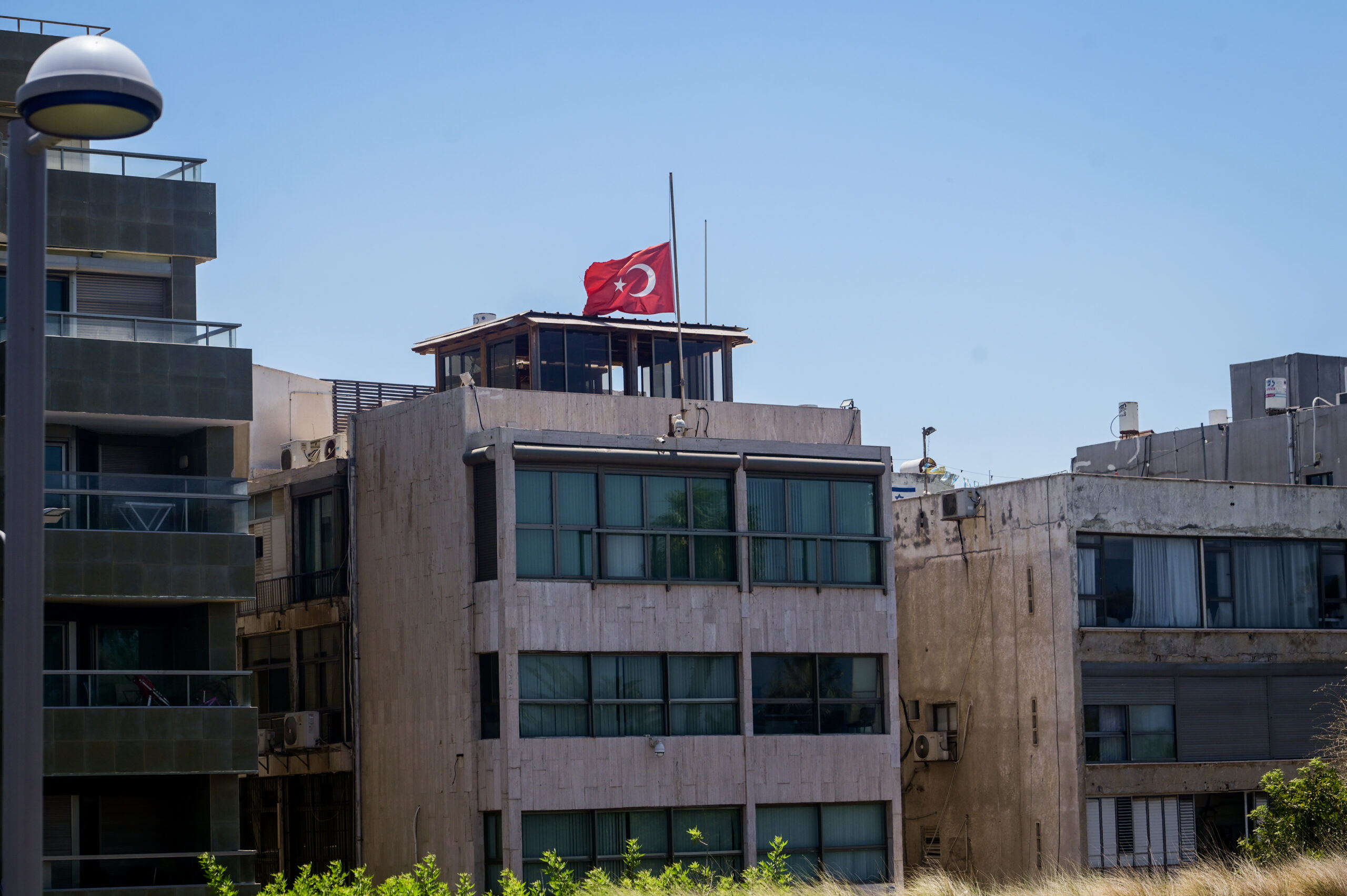
Israel also emphasized that preventing such threats falls under the direct responsibility of the Syrian regime, stating: “Any action that threatens Israel will ultimately threaten Bashar al-Assad’s rule.”
Though this warning is not new, its delivery in a formal diplomatic setting gives it new weight, particularly amid recent reports of expanded Turkish activity in central Syria.
Not a Sign of Full Diplomatic Renewal
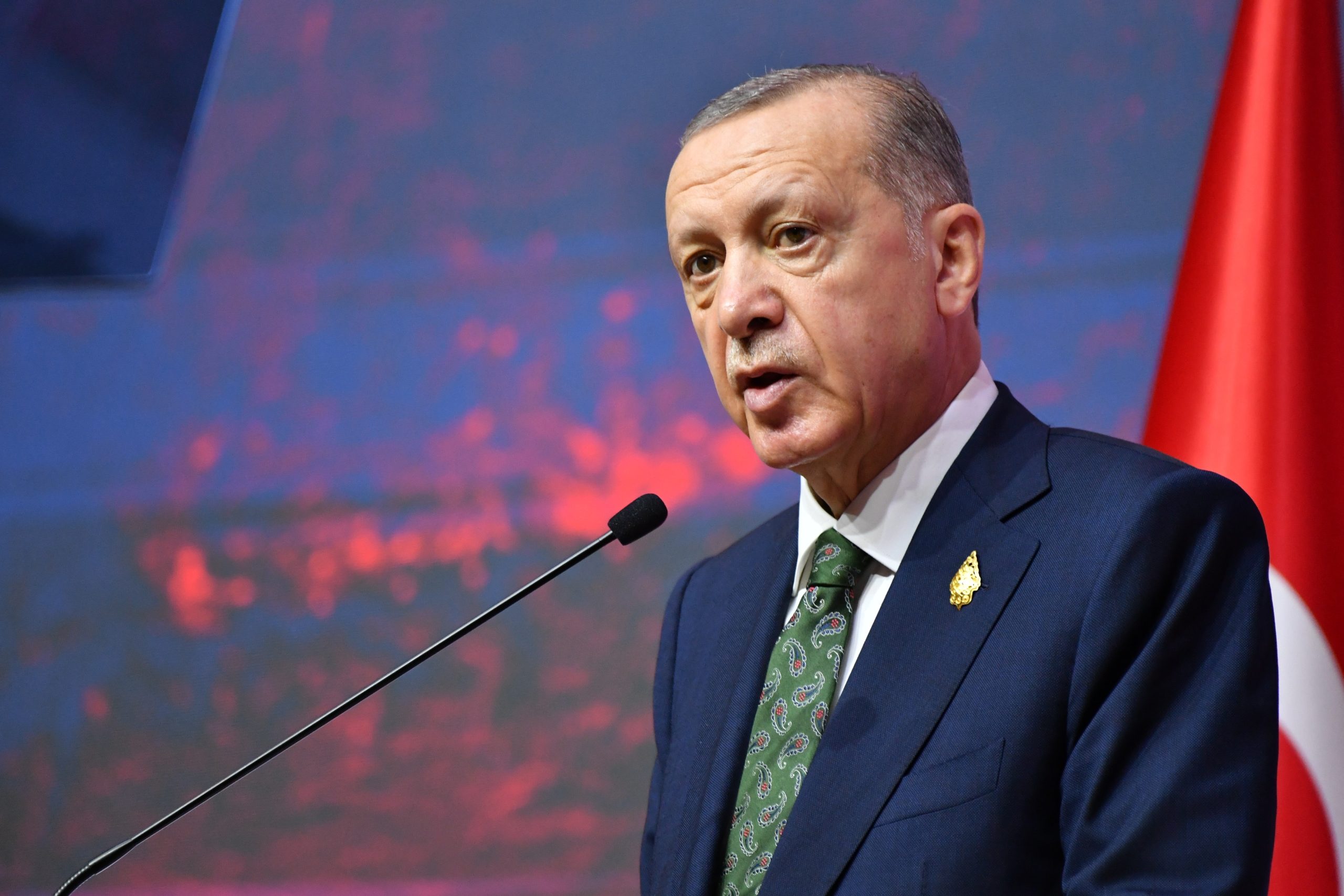
The meeting follows remarks by Turkish Foreign Minister Hakan Fidan, who confirmed earlier Thursday that “technical talks are underway with Israel to avoid direct confrontation in Syria.” He stressed that the talks are strictly limited to security coordination and do not indicate any move toward a full restoration of diplomatic ties.
Israeli Airstrike Came Just Before Turkish Troops Were Set to Deploy
These developments come in the wake of recent Israeli airstrikes on Syrian military targets, including the Hama air base and the Tiyas (T4) air base, where Turkey was reportedly planning to station forces.
According to reports, Prime Minister Benjamin Netanyahu later explained that Israel had a “narrow window of time” to act before Turkish troops officially entered the base. Once deployed, any Israeli strike could have been interpreted as an attack on a NATO member, significantly increasing the risk of a direct confrontation with Ankara.