

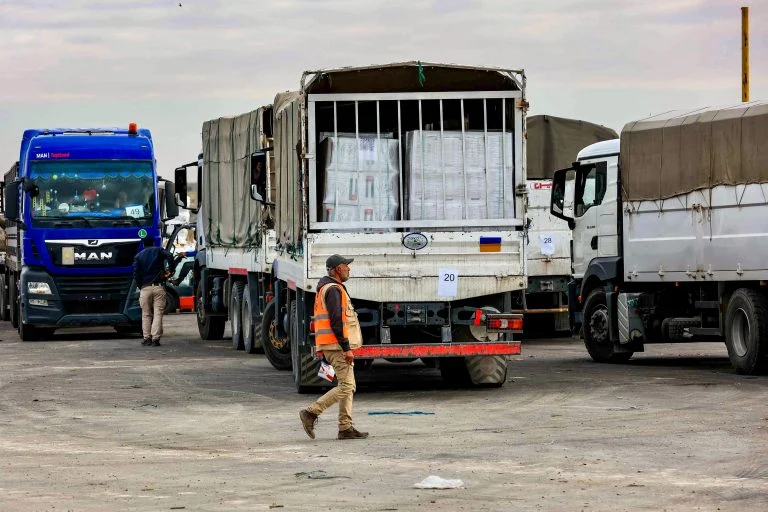
There is cautious optimism in Israel that the severe food shortage currently affecting the Gaza Strip may push Hamas to soften its position and show more flexibility on a deal to return the hostages.
Netanyahu Visits Gaza
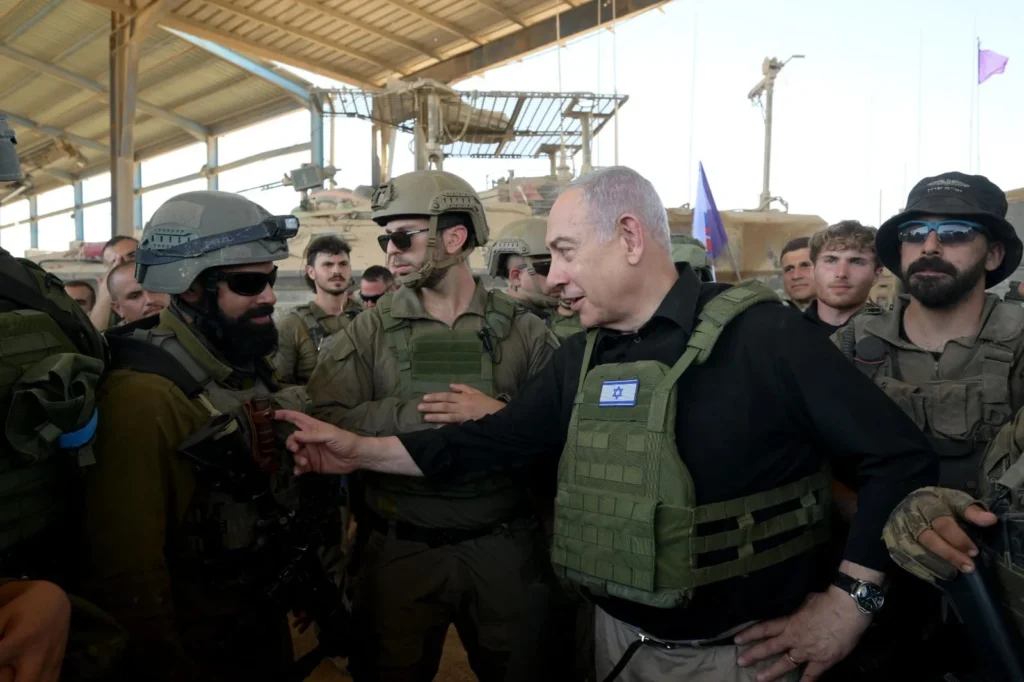
Amid the ongoing deadlock in negotiations over the hostages’ release, Prime Minister Benjamin Netanyahu, Defense Minister Israel Katz, and IDF Chief of Staff Lt. Gen. Eyal Zamir conducted a visit to northern Gaza on Tuesday. During the visit, continued plans to intensify military operations were approved.
Netanyahu reiterated that any future agreement must include both the return of the hostages and the achievement of Israel’s military objectives—chief among them, the elimination of Hamas.
Demand to Dismantle Hamas’ Military Capabilities
Talks with the terrorist organization are not progressing, mainly due to Hamas’ insistence that any deal must include a complete ceasefire and full withdrawal of the IDF from Gaza—terms that Israel flatly rejects. Israel, however, is willing to consider ending the fighting under conditions that include dismantling Hamas’ military wing and expelling its leaders from the Strip. So far, Hamas has refused to show flexibility.
Cautious Optimism
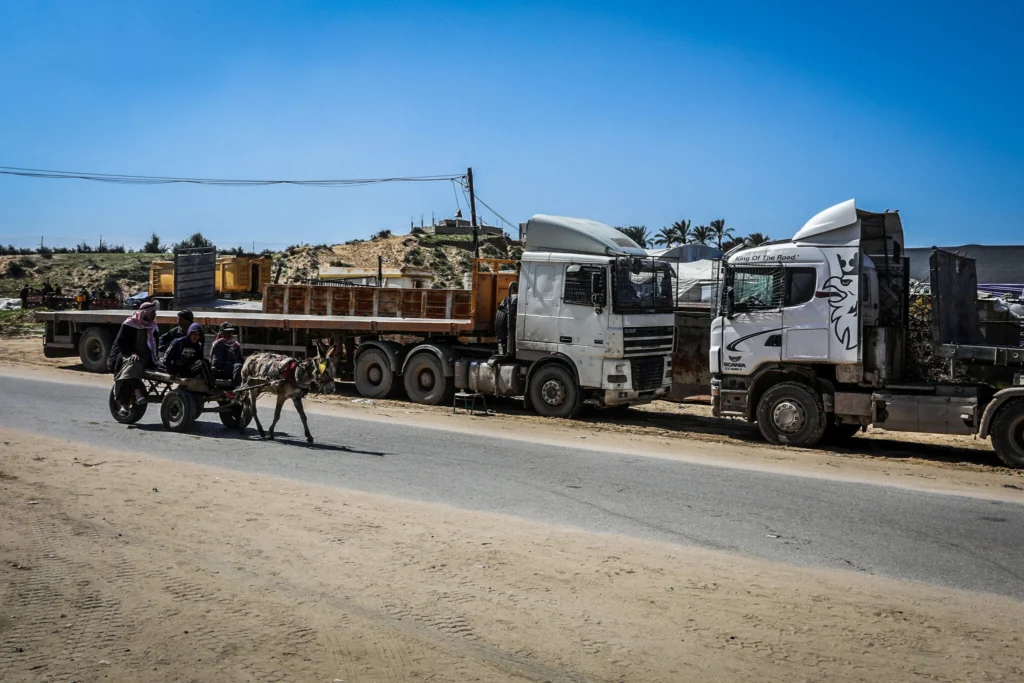
Despite the significant gaps between the sides, senior Israeli officials express cautious optimism that a breakthrough may be possible in the coming weeks. This assessment is based on the worsening humanitarian conditions in Gaza, where food supplies are running low and market prices are soaring.
Israeli estimates indicate that Gaza’s food stockpiles may last no more than two months. Officials believe that once the food runs out, Hamas will be forced to reconsider its position under internal pressure—similar to the last-minute deal struck previously.