

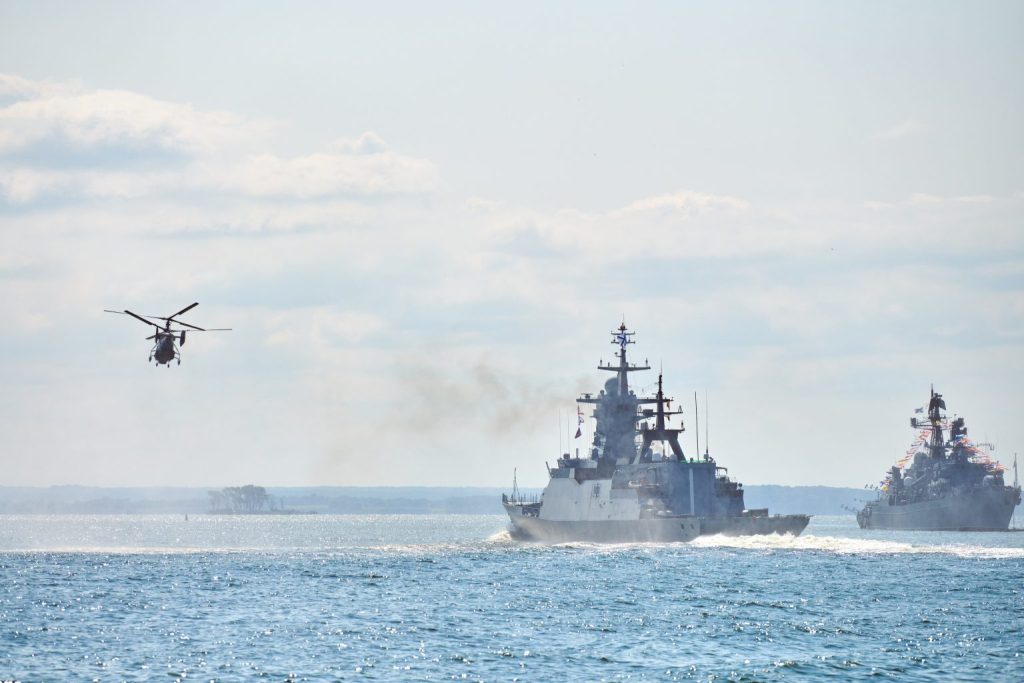
In an intricate diplomatic operation and in close cooperation with the United States, Israel succeeded in preventing the participation of the Iranian Navy in an international naval exercise held at the end of February on Bali Island in Indonesia.
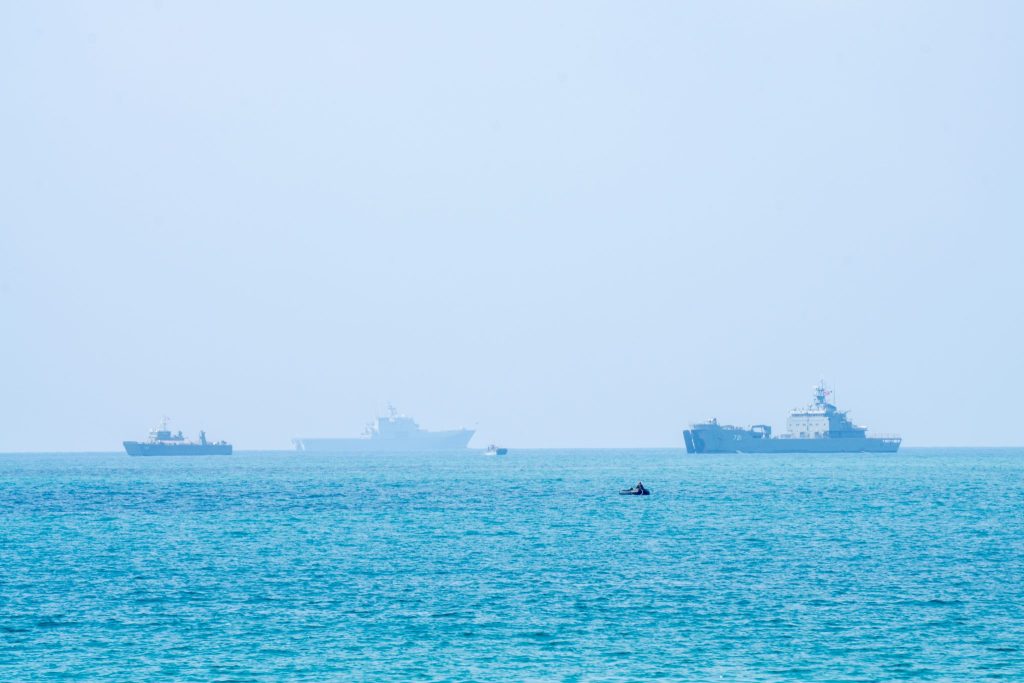
The exercise was strategically significant, with 56 countries participating, including the United States, the United Kingdom, China, Russia, and European Union countries.
Intelligence Information and Diplomatic Pressure
It all began several weeks ago, when Israeli political leaders received intelligence that Iran had been invited to participate in the prestigious exercise. Although the invitation was unexpected, the Iranians responded positively and began preparations to send warships to Indonesia.
In Israel, there were concerns about the possibility that Iran would use the exercise to advance its military and diplomatic standing on the international stage. The United States was trying to bring Iran back to the negotiating table for the nuclear deal at the time, and Iran’s presence at the exercise could have strengthened Tehran’s standing.

The American Veto That Shut the Door
Syncing up with the diplomatic pressure exerted by Israel, the United States applied heavy diplomatic pressure on the Indonesian government. The Americans issued a clear ultimatum: if Iran were allowed to participate in the exercise, the U.S. Navy would not attend. The threat was crystal clear, and prevented Tehran’s participation in the international exercise.
While Tehran remained outside Indonesia’s territorial waters, the countries participating in the exercise received a clear message: Iran may want to project strength, but it is finding itself increasingly isolated on the international stage.

China and Iran: “Deepen Mutual Military Trust”
Security officials in Israel expressed satisfaction with the outcome, noting that it was an important strategic achievement: “This goes far beyond preventing the presence of an Iranian ship. It is a clear signal to all the countries in the region that Iran is not a legitimate or welcome partner in the international arena.”
Although its participation in the Bali exercise was thwarted, Iran continues to conduct its own military exercises in cooperation with Russia and China in the Gulf of Oman. According to Tehran, the exercises are aimed at “strengthening regional security” and reinforcing bonds with Beijing and Moscow. The Chinese Ministry of Defense even stated that the goal is to “deepen mutual military trust” between the countries.
As nations deepen their cooperation and Iran is further isolated, the lines between strategic partnerships and rivalries become increasingly blurred, setting the stage for a potentially more volatile and unpredictable global landscape.