
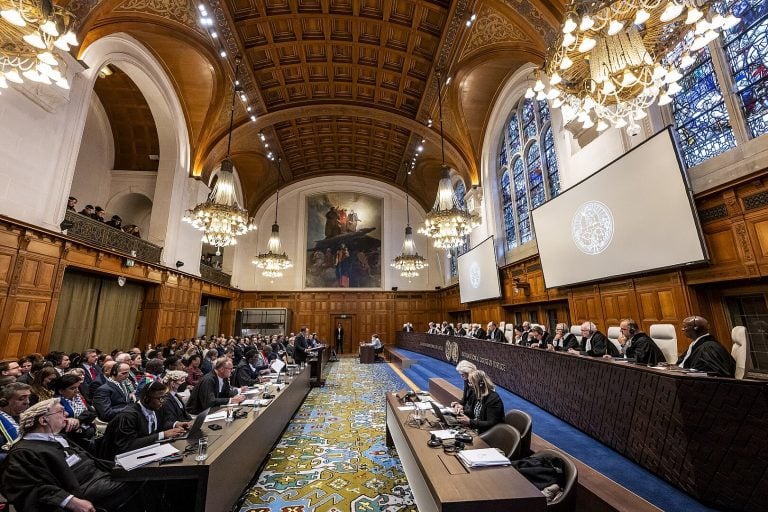
Israel announced this morning (Monday) that it will not participate in the hearings at the International Court of Justice (ICJ) in The Hague, which are focused on the issue of humanitarian aid to the Gaza Strip.
Instead, Israel is presenting its position to the foreign media through a press conference at the Ministry of Foreign Affairs in Jerusalem.
Participating in the press conference are Foreign Minister Gideon Sa’ar, Head of the UN and International Organizations Division at the Foreign Ministry Ambassador Amir Weissbrod, and the Ministry’s Legal Advisor Tamar Kaplan-Turgeman.
The event is being broadcast live to media outlets.
Hamas Exploits Humanitarian Aid
The hearings in The Hague follow a UN General Assembly resolution from last December, in which 137 countries called on Israel to ensure the provision of humanitarian aid to the Palestinian population in Gaza.
Israel, along with the United States and ten other countries, voted against the resolution.
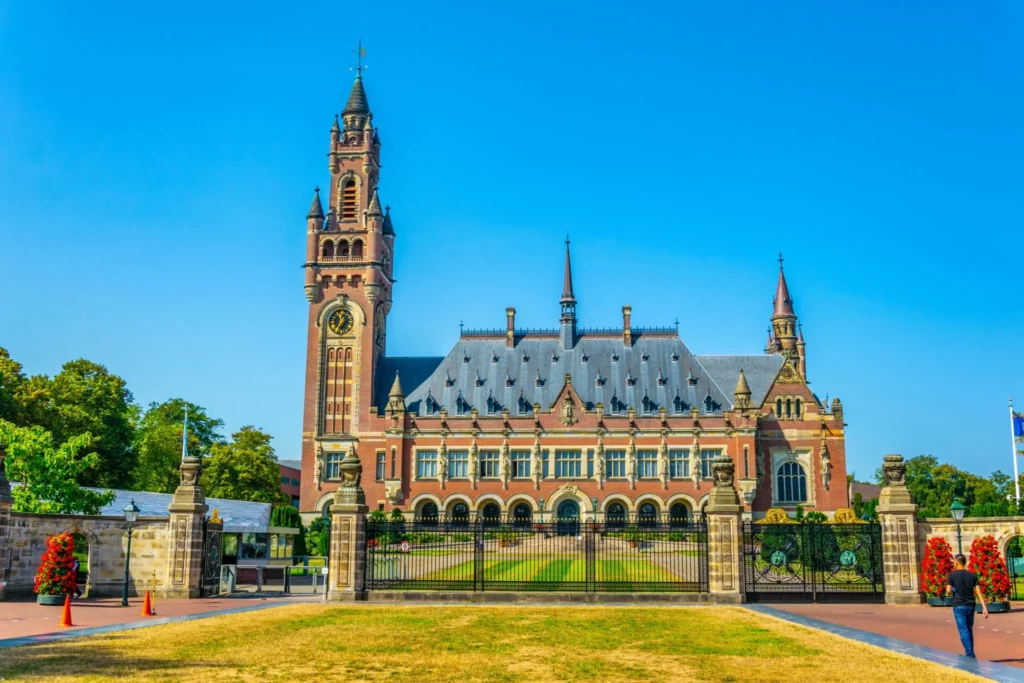
According to Israel’s previously conveyed position, the blockade on the Gaza Strip is a means of exerting pressure to secure the release of Israeli hostages.
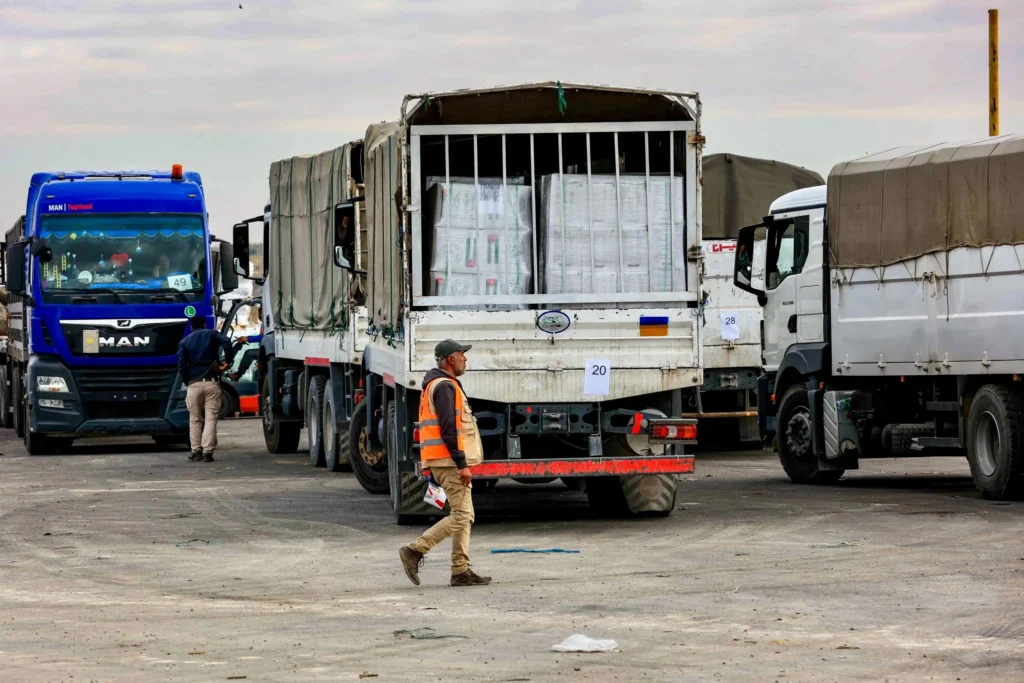
The Foreign Ministry stresses that Hamas exploits humanitarian aid for military purposes , despite Hamas denials.
Nonetheless, Israel reiterates its commitment to allow humanitarian aid into Gaza as security conditions permit, without compromising the safety of Israeli citizens.
The Court’s Opinion Is Advisory Only
Throughout the week, approximately 40 countries are expected to present their positions during the hearings at the ICJ. However, Israel will not make an appearance.
Representatives of the Palestinian Authority are expected to be among the first to address the court, with the United States scheduled to speak on Wednesday.
It is important to emphasize that the advisory opinion of the International Court of Justice is not legally binding.
While its decisions carry significant moral and political weight internationally, they do not carry any legal obligation on Israel.