
600 Days of War: From North to South, Israel is Acting with Strength
600 days since the outbreak of the “Swords of Iron” war: the longest, most difficult, and most widespread military campaign in Israel’s history began on Saturday, October 7, 2023. Since then, 1,876 Israeli civilians have been killed and 858 IDF soldiers have fallen. Around 143,000 Israelis have been evacuated from their homes, approximately 300,000 reservists have been called up, and more than 35,000 rockets and UAVs have been launched at Israel from all fronts. Fifty-eight hostages — both living and deceased — remain in Hamas captivity.
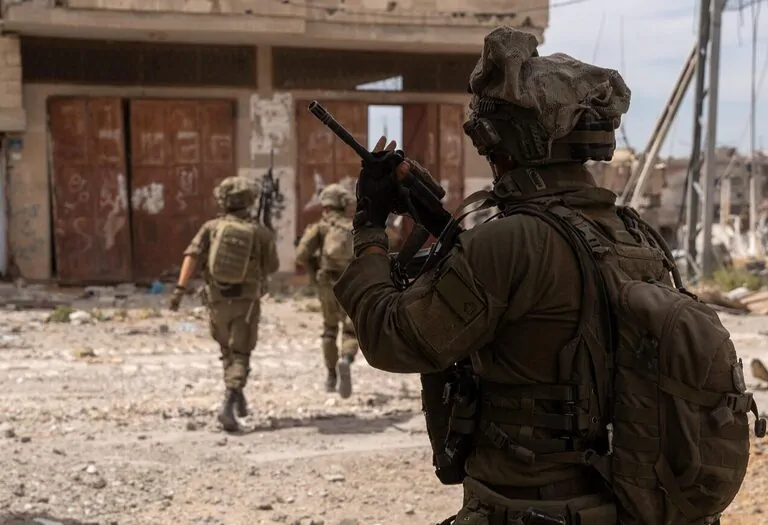
The Gazan Front
The fighting in Gaza began with clearing Israeli territory of terrorists amid waves of air and ground strikes. It developed into a broad ground maneuver in the north, center, and south of the Strip. The IDF has now eliminated most of Hamas’s senior leadership, including Yahya Sinwar, Mohammed Deif, Marwan Issa, and others. Thousands of terrorist infrastructure sites have been destroyed, leading to significant military achievements. In addition, the IDF has rescued eight Israeli hostages alive and recovered the bodies of 40 others.
About a week ago, the IDF launched Operation Gideon’s Chariots — a wide-scale campaign aimed at defeating Hamas in the Gaza Strip and securing the release of all hostages. Since the operation began, hundreds of targets across the Strip have been struck. Earlier this week, the Hamas-controlled Gaza Ministry of Communications reported that the IDF now controls 77% of the territory.
The Lebanese Front
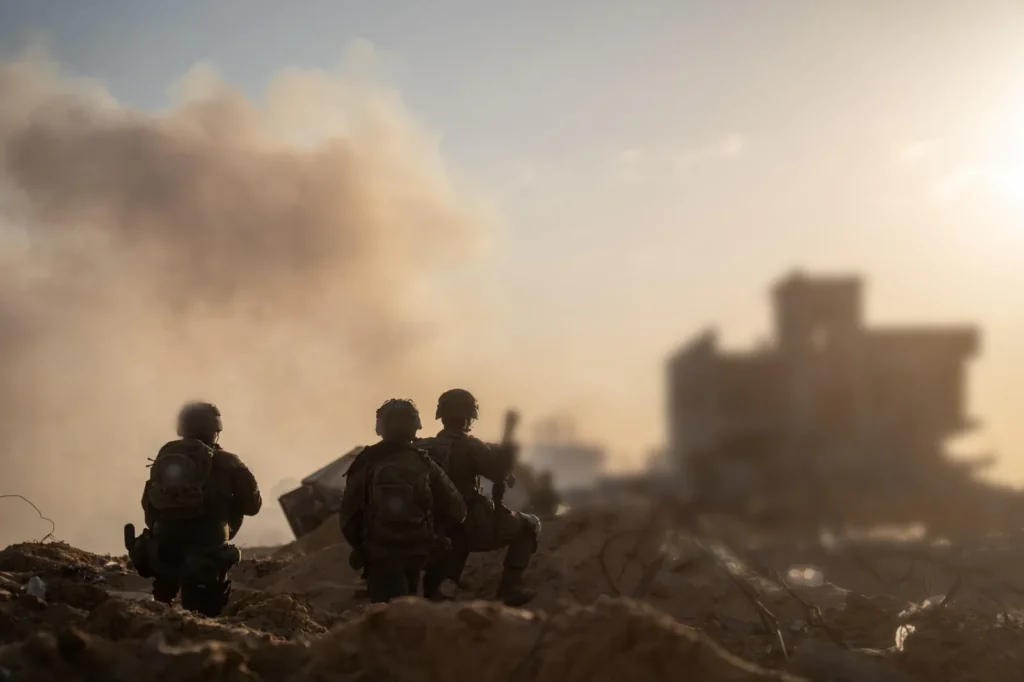
This front flared up immediately after the war began, when Hezbollah began bombarding villages and military bases in the north, prompting large scale evacuations. After a year of anti-tank missile fire, rockets, and UAVs across northern Israel, the IDF launched Operation Northern Arrows, following the successful pager operation that significantly damaged the leadership structure. As part of the campaign, over 12,000 Hezbollah terror targets were struck, including more than 1,600 military headquarters and over 1,000 weapons depots. At least 2,500 terrorists and Hezbollah operatives were killed — among them most of the group’s senior leadership, including Secretary-General Hassan Nasrallah, who was eliminated in Operation New Order.
Most of Hezbollah’s firepower has been neutralized over the course of the war. In November 2024, a ceasefire agreement was signed. Nevertheless, the IDF continues to carry out pinpoint strikes against terror threats and operatives in Lebanese territory, in order to restore security to the residents of northern communities and enforce the terms of the ceasefire.
The Syrian Front
In October 2023, Israel struck airports in Syria — primarily in Damascus and Aleppo — three times, in an effort to disrupt weapons smuggling routes and reduce Iran’s influence in the region. In January 2024, Sadegh Omidzadeh, an intelligence officer in Iran’s Quds Force, was killed along with four other officers of the Islamic Revolutionary Guard Corps.
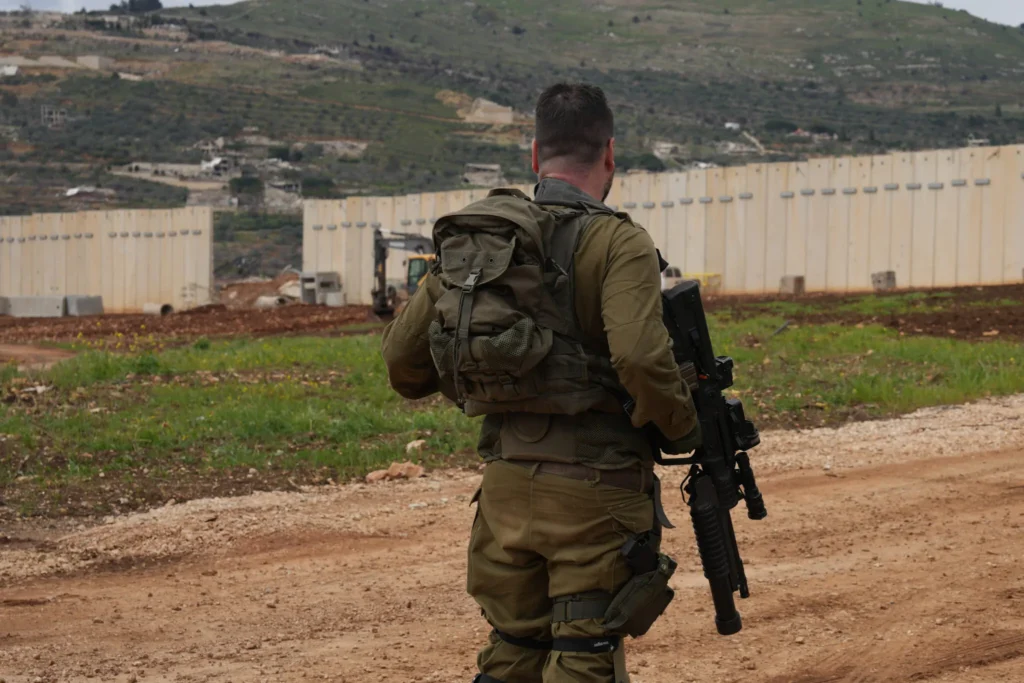
As tensions escalated, Israel began constructing a new defense barrier called New East near the Barrel Line, the international border between Israel and Syria.
Following the ceasefire in southern Lebanon, the collapse of Assad’s regime in northern Syria due to a rebel offensive, and concerns about terror spillover into Israeli territory, the IDF launched Operation Arrow of Bashan in the 1974 disengagement zones and beyond. At the same time, Israel carried out air and naval strikes that destroyed about 80% of the Assad regime’s strategic military capabilities, to prevent them from falling into terrorist hands. These included aircraft, helicopters, missile launchers, radar stations, tanks, warships, and other naval vessels.
The Judea and Samaria Front
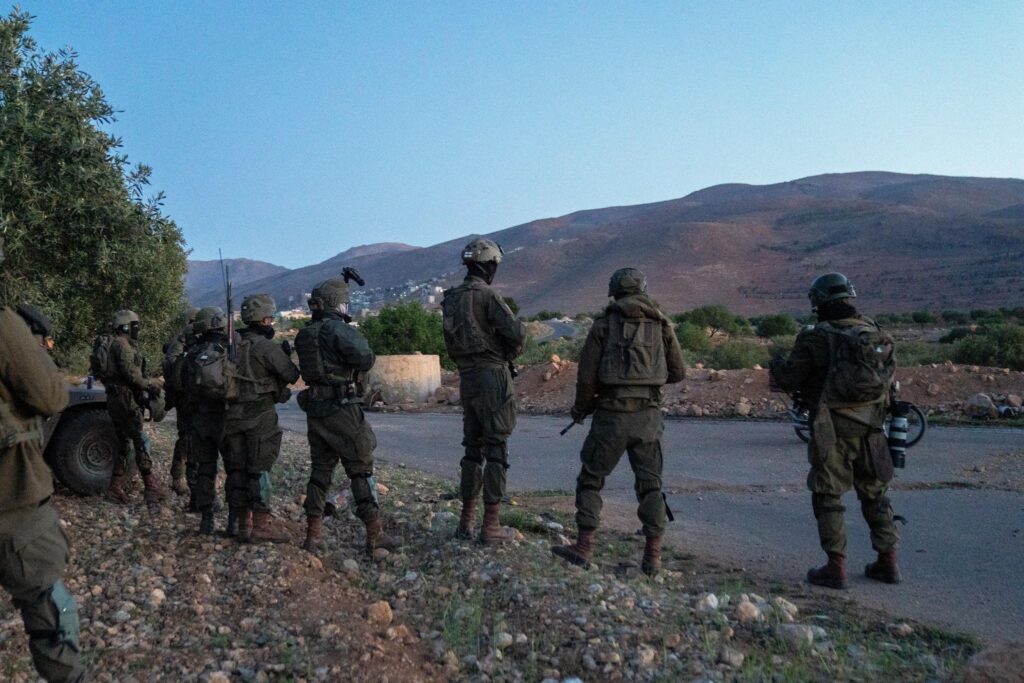
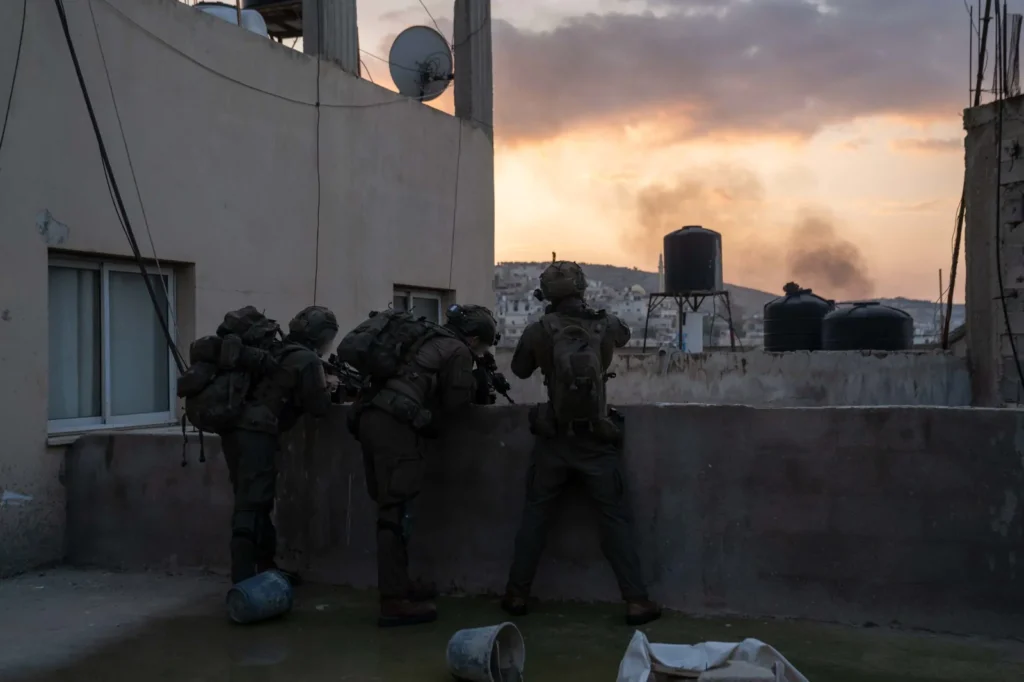
The IDF has been working to thwart Palestinian terrorism in the Judea and Samaria region. Operation Summer Camps began at the end of August 2024, with military operations in Jenin and Tulkarm to neutralize terror activity, targeting operatives, explosives, and bomb labs. During the operation, Wissam Hazam, the Hamas terror cell commander in the area who was responsible for attacks across Judea and Samaria, was eliminated. A total of 36 terrorists were killed and 46 arrested. Dozens of weapons and explosive devices were seized and destroyed.
In late January 2025, Operation Iron Wall was launched and has continued for more than 100 days. It involves the IDF, the ISA (Shin Bet), the Border Police, and the Israel Police’s Judea and Samaria District, aiming to dismantle organized terror infrastructure in key hotspots in the northern West Bank, including Jenin and Tulkarm. Since the operation began, over 100 terrorists have been killed and more than 300 suspects arrested. Hundreds of explosive devices, weapons, and bomb labs have been destroyed.
The Yemeni Front
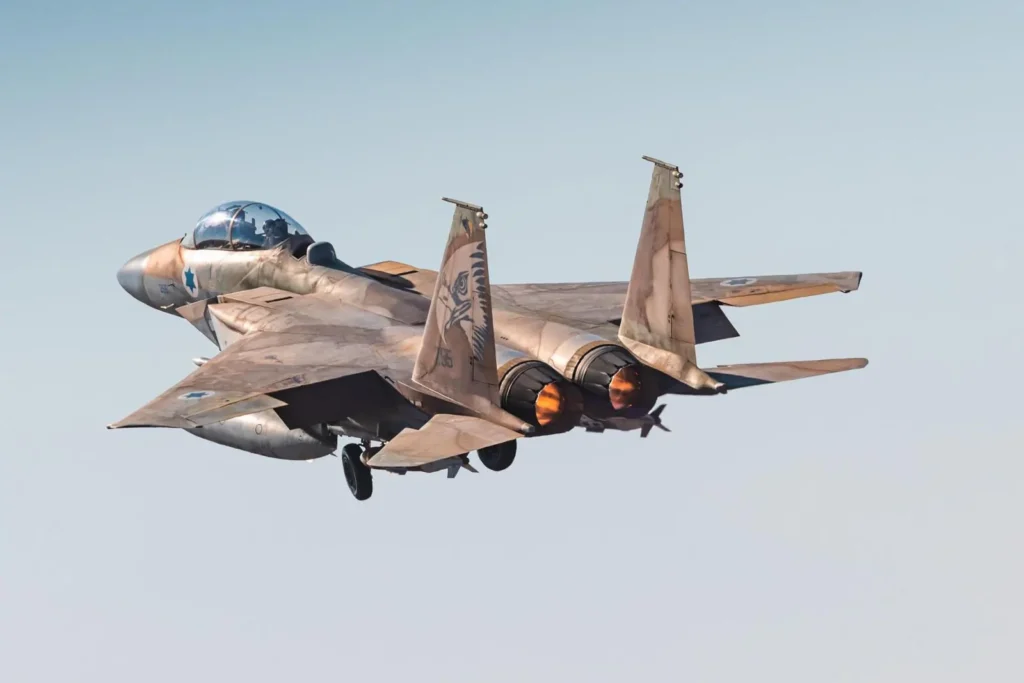
This front opened with a declaration of war by the Houthis, who imposed a naval blockade, shut down the Port of Eilat, and launched missile and UAV attacks — including one in Tel Aviv in July that killed one person and wounded ten.
Earlier this month, a UAV fired from Yemen exploded at Ben Gurion Airport, causing several foreign airlines to cancel or suspend their operations in Israel. Throughout the war, Israel has responded with waves of airstrikes in Yemen targeting ports, oil facilities, and terror command centers.
Yemen continues to launch UAVs and ballistic missiles toward Israel on a daily basis.
The Iranian Front
Iran, which in the past operated only through proxies, has directly attacked Israel twice — for the first time in its history — and was drawn into open confrontation.
The first attack occurred in April 2024, when Iran launched over 300 weapons, including UAVs, cruise missiles, and ballistic missiles. Ninety-nine percent of these were intercepted. The attack was successfully thwarted thanks to an international military coalition that included the United States, Jordan, the United Kingdom, and other regional allies. In response, Israel struck IRGC military facilities inside Iran.
In October 2024, Iran attacked again — launching 181 missiles toward Israel and triggering alerts across most of the country. In response, Israel launched Operation Days of Repentance, which included wide-ranging aerial strikes on Iranian territory and senior IRGC officials.