
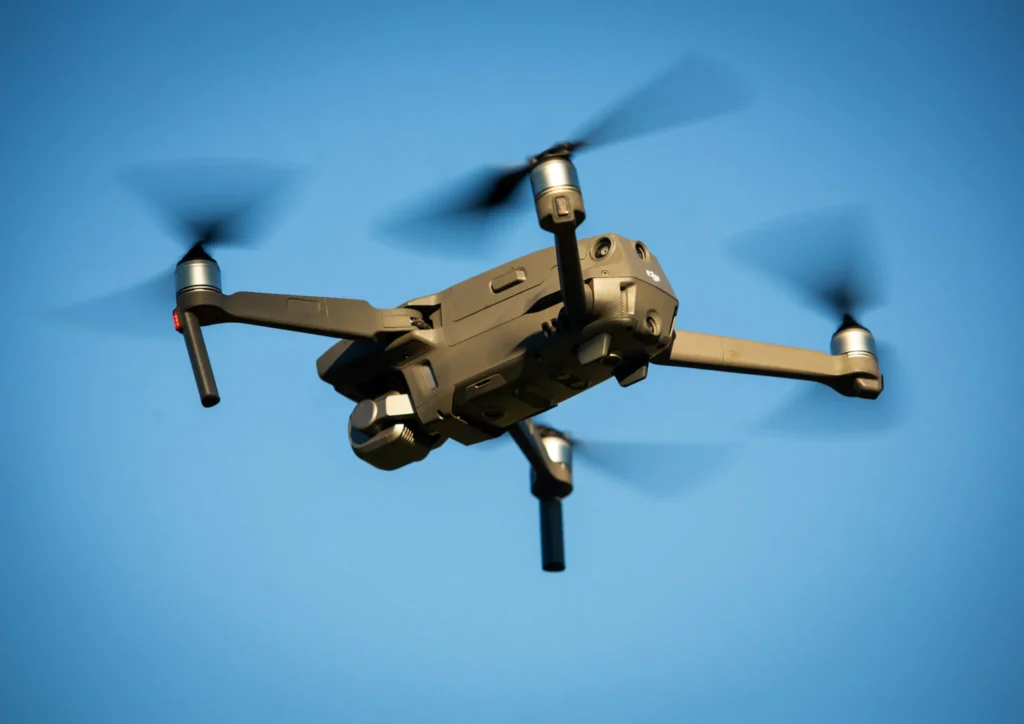
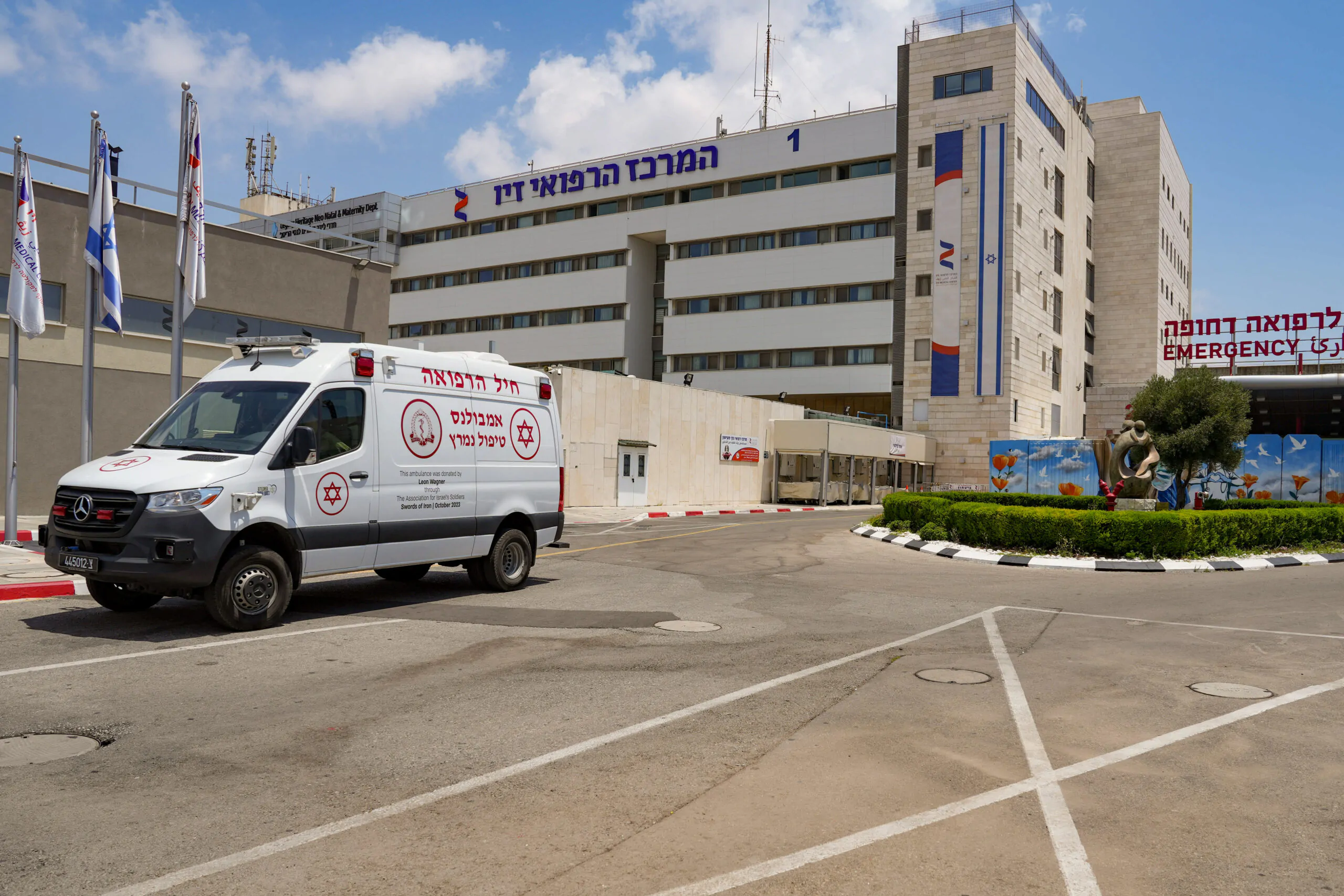
The Health Ministry’s national drone initiative is now underway. The innovative project will integrate operational drones into healthcare services for logistical, operational, and emergency response purposes. The program was inaugurated on Thursday at Ziv Medical Center in Safed, marking its first implementation.
Controlled by a Smart Command-and-Control System
The new model includes aerial surveillance, transport of blood units and lab samples, and environmental monitoring—in real-time and from the air. At a launch event held Thursday morning, attendees witnessed live demonstrations, including night surveillance, response to security scenarios, and equipment delivery to remote or cut-off areas.
The drone is managed by an intelligent command-and-control system, permanently stationed on the hospital’s rooftop, operating autonomously according to preset emergency scenarios. It is equipped with thermal and zoom cameras, built to withstand tough terrain, and transmits live footage directly to the security center and emergency forces.
Watch How the Hospital Is Integrating Drones into Its Medical System:
Ziv Medical Center Spokesperson’s Unit
Core Use Cases of the Project
- Security and Emergency Response: Autonomous patrols and early detection of unusual activity.
- Aerial Transport: Delivery of medical equipment, medications, and samples—even during transportation disruptions.
- Environmental Monitoring: Water quality assessments and hazard detection—reducing exposure risks for staff.
A Critical Step in Building the Backbone of National Emergency Response
Dr. Sefi Mandelovich, Deputy Director-General of the Health Ministry, stated: “Integrating drone technology into the health system is a critical step in building the national emergency response infrastructure—and eventually, it will serve routine needs as well.”
He added that this is a national and international breakthrough aimed at realizing a vision for broad drone use in healthcare: “What began with security applications will soon include the transport of medicine and test samples—and from there, the sky is the limit.”
Logistical Efficiency and a Watchful Eye on Safety
Professor Salman Zarka, Director of Ziv Medical Center, welcomed the initiative: “The EYE project is significant for us due to the large area we operate across two campuses, and it enhances our emergency capabilities.”
He added: “The drone will strengthen hospital security and help manage challenges such as road congestion, ambulance arrivals, and staff movement—especially during emergency scenarios. It will enable logistical streamlining between the two campuses and serve as a vigilant presence to deter safety threats.”
“We’re proud to be the first to implement this innovative model and to share our insights with the broader healthcare system,” Zarka concluded. This project is part of a comprehensive national initiative that is expected to transform Israel’s medical system—from the ground up to the skies.