As part of national efforts to improve care services and respond to the growing demand for rehabilitation professionals, a new wage agreement was signed today (Tuesday) for physical therapists, dietitians, occupational therapists, and speech-language pathologists. The agreement introduces a series of substantial incentives aimed at retaining top talent, attracting new professionals, and expanding service availability for the public.
What’s included in the package?
- Retention and hiring bonuses of up to NIS 10,000 per year
- Additional compensation of up to NIS 22,000 annually for increasing work hours
- Salary supplements based on professional seniority
- Extra compensation for high output and training roles
- Incentives for working in community-based follow-up care units (Clalit Health Services)
- Improved training conditions for clinical instructors
Why it matters beyond pay
- Retaining high-quality staff in the public healthcare system
- Shortening wait times and increasing access to therapy
- Strengthening rehabilitation services—especially in the aftermath of the war
- Advancing the national reform of child development services
- Enhancing support for elderly care and long-term rehabilitation
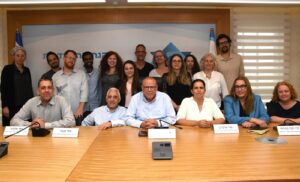
“The backbone of the rehabilitation system”
Minister of Health Uriel Buso referred to the agreement as a strategic move to reinforce the public healthcare system: “This agreement reflects our commitment to the professionals who enable the system to function, even in times of crisis.”
Histadrut Chairman Arnon Bar-David also praised the deal, calling it “an important achievement that ensures these essential therapists are properly compensated—especially now, as the healthcare system faces vast rehabilitation challenges.”