
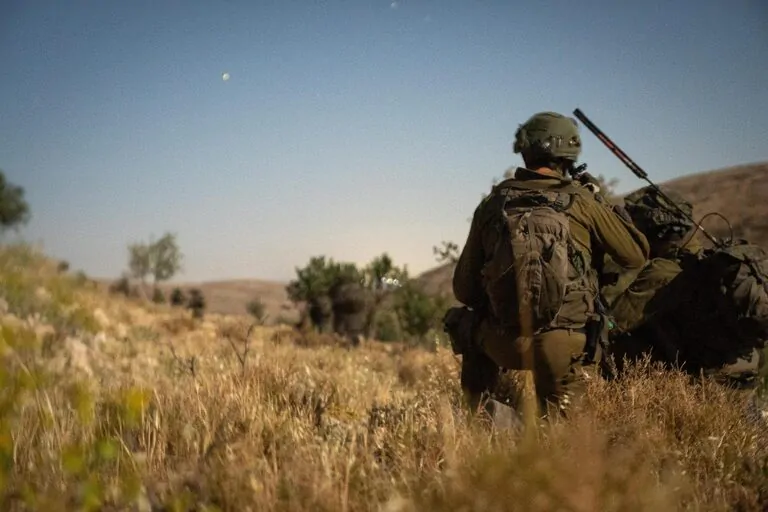
Following the opening of the campaign against Iran and preparations for a possible escalation, the IDF is adjusting its troop deployments on the ground. Some of the forces currently operating in the Gaza Strip as part of Operation Gideon’s Chariots are expected to withdraw from the area in the coming days and redeploy to other arenas, in order to bolster defensive efforts along the borders and in Israeli communities. This was reported today (Friday) by Doron Kadosh.
The New Division
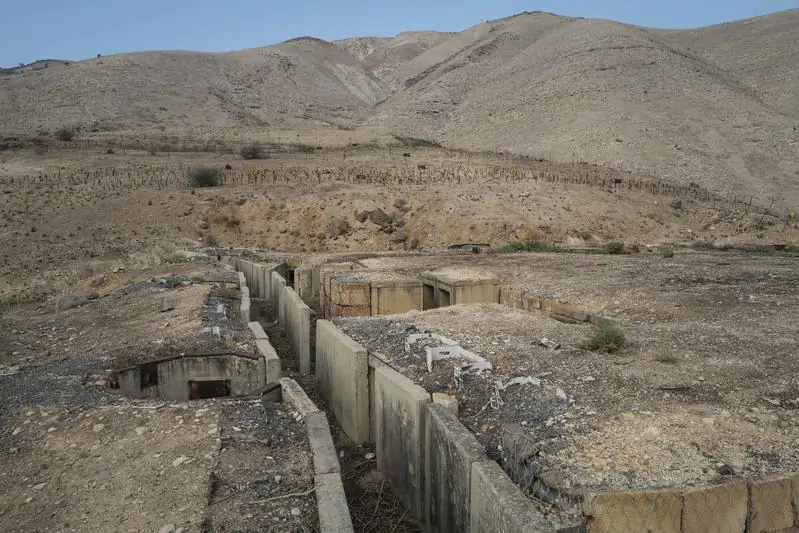
At the same time, the IDF is bringing forward the establishment of a new eastern division—“Gilad Division” (96th)—which will now officially open about six weeks ahead of its original schedule. The new division will take responsibility for the Jordanian border, as part of preparations for the possibility of a ground attack or infiltration attempt along the eastern front.
To reinforce defenses in this arena, a reserve infantry brigade has been mobilized and will operate under the command of the Gilad Division.
High Alert
The IDF estimates that Iran is nearing the stage of responding to the preemptive strike, though it still requires operational readiness.
Home Front Command is preparing for all potential rocket attack scenarios, clarifying that in the event of ballistic missile launches, an early warning of approximately 10 minutes will be issued—similar to previous alerts for launches from Yemen. The military emphasizes that the threat from Iran is significantly different, with missiles that may carry warheads containing a ton of explosives.
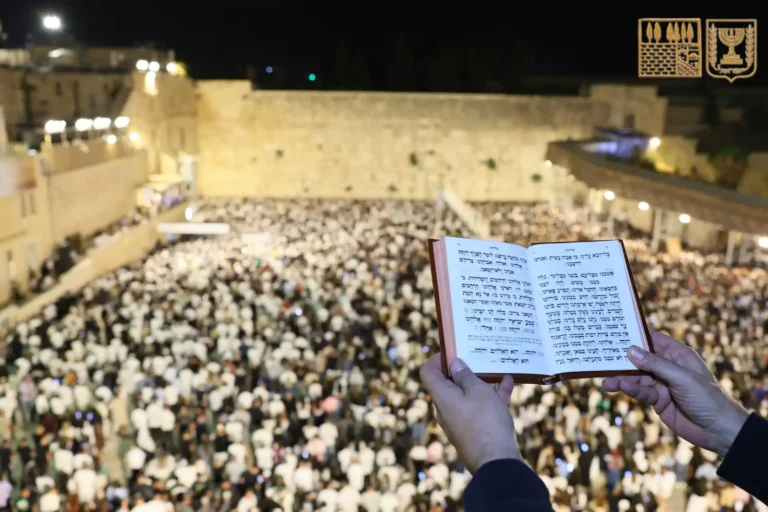
As part of the preparations, tens of thousands of Home Front Command soldiers have been mobilized, including dozens of search and rescue battalions already deployed throughout civilian areas from Dan to Eilat. Strict guidelines remain in effect: gatherings, school sessions, and even prayer services are prohibited until further notice.
Depends on the Iranian Response
Israeli security officials believe this marks the beginning of a tense period expected to last around two weeks—but stress: “The duration of the conflict will depend on the nature of Iran’s response.”
Senior officials in Israel said, “If Iran attacks—we have more targets.”
They added, “The operation got off to a good start—but this is only the beginning. The selection of targets, including the elimination of so many senior figures in the opening strike, left them in shock. We’re not fighting a terror organization here, but a state considered one of the strongest in the Middle East—one that has attacked Saudi Arabia and others in the past, without facing consequences.”
American Backing
The officials emphasized, “The support from the U.S. is a positive factor. We’re at the start of this, and there are many variables regarding whether the Americans will intervene or not. The current estimate is that this could last two to three weeks, but there are various scenarios. We’re preparing for weeks of strikes. Trump said there’s more to come—and he’s right. If they dare to strike Israel—we have more targets.”

A Historic Day
“This is definitely a historic day. The word ‘history’ came up many times around the cabinet table, where rivalry and sarcasm are not uncommon. That wasn’t the case this time—everyone rose to the moment.” One senior official shared, “As someone who has been speaking about the Iranian nuclear issue for years—this was truly a defining moment.”
Emergency Preparations