
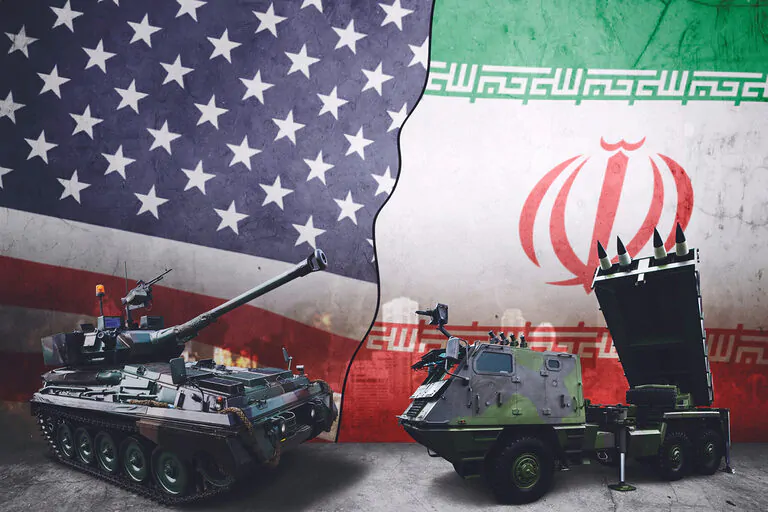
Following the postponement of the planned May 3 talks in Rome, representatives of the United States and Iran resumed nuclear negotiations today (Sunday) in Oman. The discussions took place in an indirect format, mediated by Oman, with the two sides still far apart on key issues.
Difficult but Productive Talks
Despite deep disagreements on core matters, this marked the fourth round of indirect contact between Iranian Foreign Minister Seyyed Abbas Araghchi and U.S. Special Envoy to the Middle East Steve Witkoff. According to Axios, the talks lasted about three hours. Only senior officials participated at this stage, with no technical teams present—indicating a focus on the broad framework rather than on the details of a potential agreement.
According to Al Mayadeen in Oman, the Omani government voiced concern that messages coming from the U.S. were undermining the negotiation process. Iranian Member of Parliament and Deputy Chairman of the National Security and Foreign Policy Committee, Abbas Moqtadaei, was quoted by Iran International as saying, “Any American effort to revive the negotiations must begin with the complete lifting of sanctions.”
He added that while Iran is committed to peaceful nuclear use, this does not imply any retreat from its positions.
Europe Also in the Picture
In an opinion piece published today in Le Point, the Iranian foreign minister warned that the European stance on Iran’s nuclear program could spark a global nuclear arms race, with Europe as the first to suffer. He accused Germany, France, and the United Kingdom—European signatories of the 2015 nuclear deal—of choosing confrontation over engagement with Iran.
Iran Nuclear Talks: “The U.S. Approach Is Not Genuine”
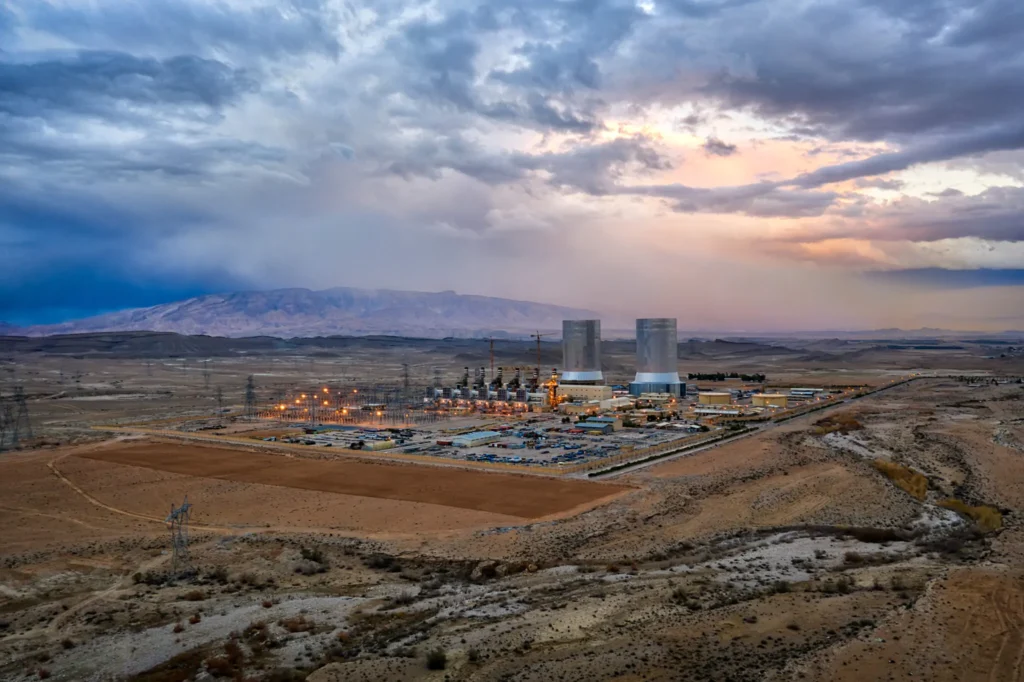
Alongside the renewed talks, Iranian sources accused Washington of insincerity, claiming it was laying a “trap” intended to sabotage the negotiations. Foreign Minister Araghchi emphasized that Iran would not relinquish its right to enrich uranium, though it is willing to consider certain limitations in exchange for the lifting of sanctions.
In contrast, U.S. envoy Steve Witkoff reiterated Washington’s stance of “zero enrichment”—meaning the complete dismantling of the Natanz, Fordow, and Isfahan facilities. He warned that without immediate progress, the talks would be halted. Witkoff also stressed that the current negotiations are focused exclusively on nuclear issues, unlike the first Trump administration, which also sought to address Iran’s regional conduct.