

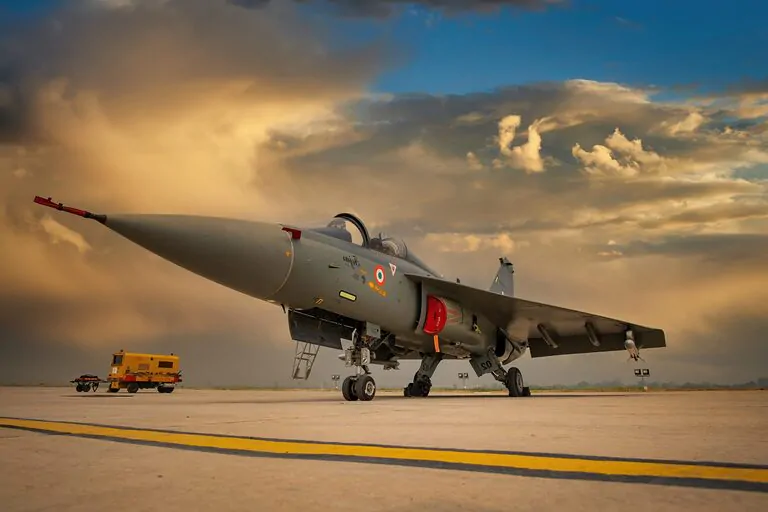
An Indian army spokesperson announced this morning (Wednesday) that a focused airstrike had been conducted in Pakistani territory, lasting around half an hour, as part of a military operation called Operation Sindoor.
In an official press conference, the spokesperson reported that nine terror camps were completely destroyed, including weapons depots and ammunition storage facilities. He stated that the attack was based on precise intelligence and emphasized that efforts were made to avoid civilian casualties or damage to civilian infrastructure.
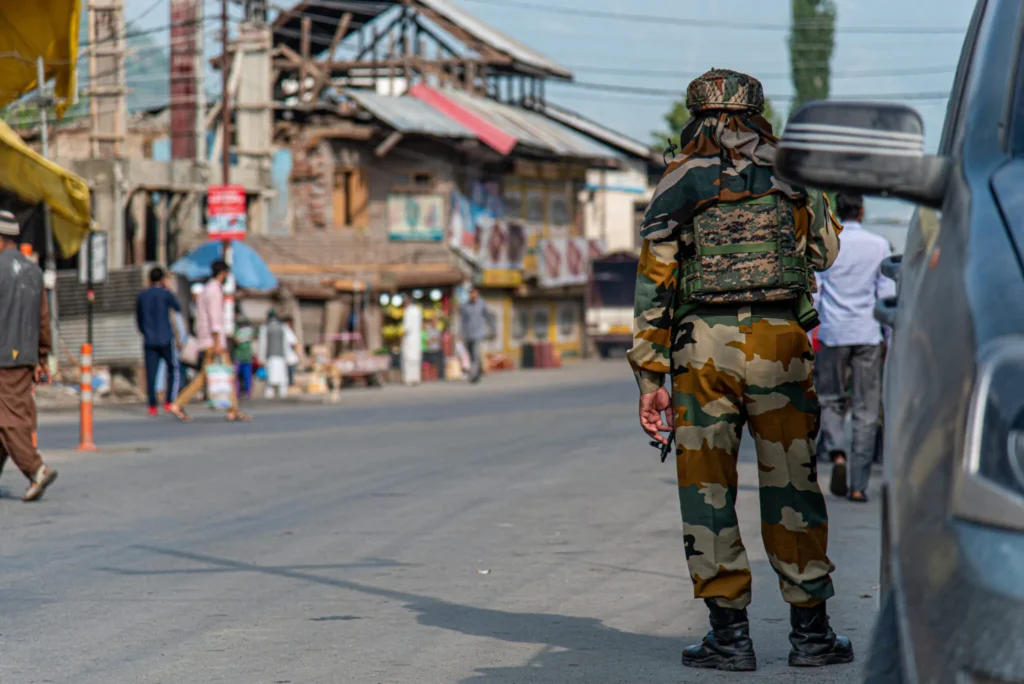
Background to the conflict: Kashmir and terror operations
A map of the targets was presented during the briefing, but no casualty numbers or Pakistani response details were provided at the time. The Indian army clarified that the purpose of the strike was “to prevent the planning of attacks at the border and damage offensive capabilities.” It is considered one of the most significant military actions along the India–Pakistan border in recent years.

This military operation takes place against the backdrop of decades-long tensions between India and Pakistan. The two countries have been rivals since their establishment in 1947, and both claim sovereignty over Kashmir—a mountainous region divided between them, long regarded as a central flashpoint.

“Both countries possess hundreds of nuclear warheads”
Over the years, the region has seen indirect warfare via terror organizations, which India says receive support from Pakistan. These groups frequently operate from within Pakistani territory and cross into India, especially into Kashmir. India considers such camps to be bases for planning and launching attacks—making targeted airstrikes a tool of preventive defense.

Previous strikes, such as the one in 2019 following a deadly terror attack in Kashmir, led to a tense aerial standoff that included fighter jets being downed and a captured pilot later returned. Today, the international community is closely watching developments, amid growing concern over a potential escalation between two nuclear-armed nations.