

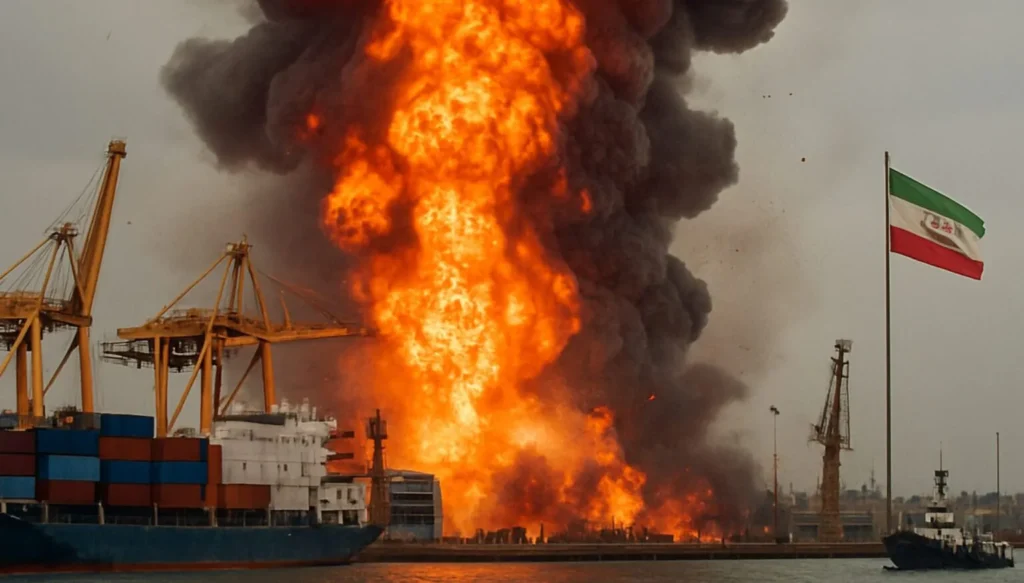
The Israeli Air Force is actively preparing for what could become its most complex and far-reaching military strike since the 2007 attack on Syria’s nuclear reactor. Despite U.S. President Donald Trump telling Prime Minister Benjamin Netanyahu in a recent conversation that Washington has not given a “green light” for an attack on Iran, the IDF is moving forward with plans to target Tehran’s nuclear facilities.
According to a report by Yoav Zitun, several military scenarios are under consideration.
Over the past year, the Israeli Air Force has carried out strikes deep inside Iran, including in its eastern regions—nearly 2,000 kilometers from Israel. These operations have demonstrated Israel’s capacity for long-range, precise, and covert missions. In addition to sending a message of deterrence to Iran, the strikes have also served as real-time tests of readiness for what Israeli planners refer to as the “doomsday scenario”—a direct attack on Iran’s nuclear infrastructure.
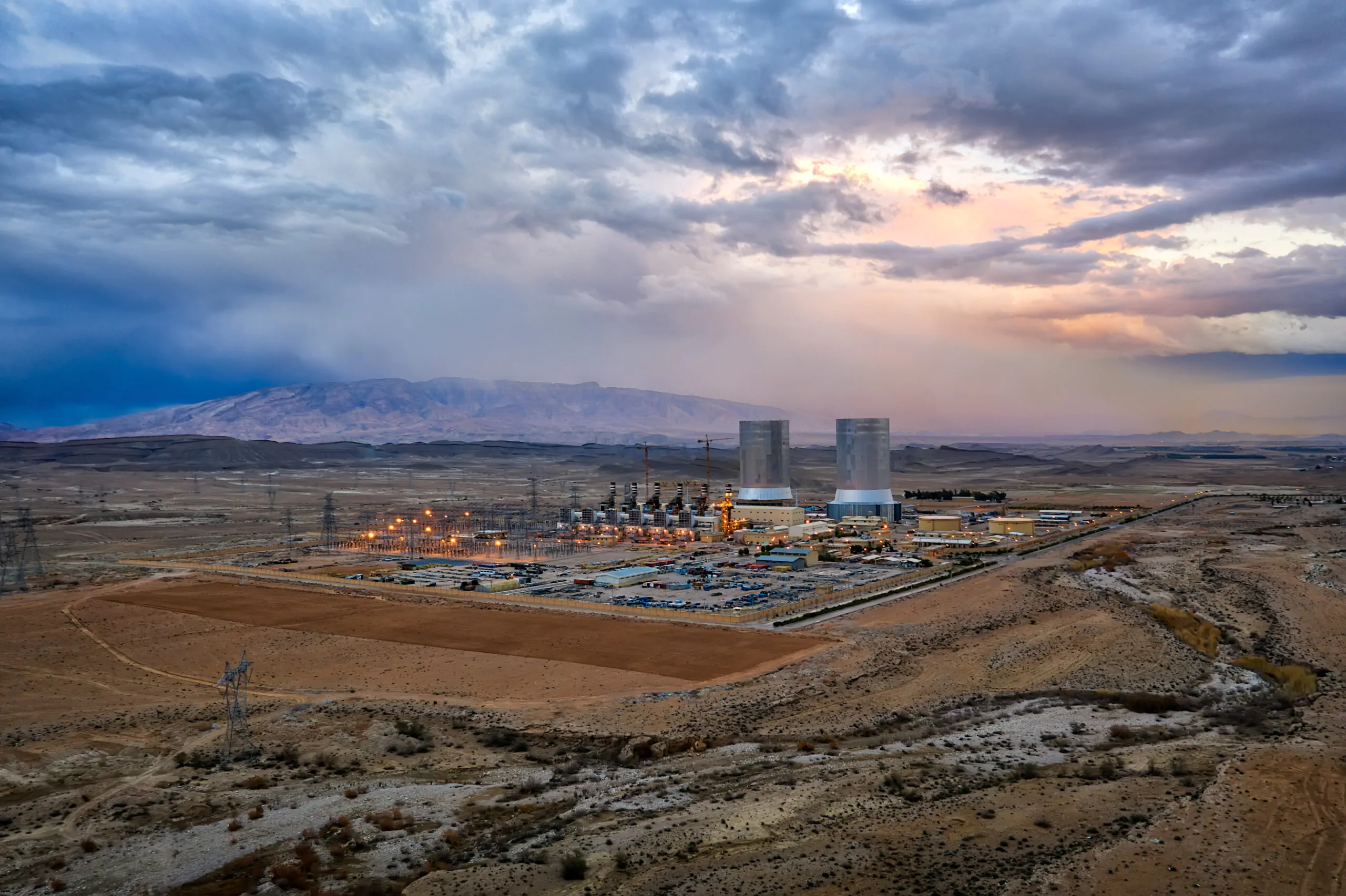
Israel Has the Capability—but the Costs Could Be Severe
A unilateral Israeli strike, without American coordination or support, would not only be the boldest option—but also the riskiest. Any direct assault on Iranian nuclear sites is expected to trigger a multi-front response: waves of precision missiles targeting Israel, explosive drone swarms, and coordinated rocket fire from Hezbollah in Lebanon, proxy militias in Syria, Houthi rebels in Yemen, and possibly factions in Iraq.
Even if Israel’s air defenses—bolstered by American THAAD batteries—intercept the majority of threats, any breach could severely damage civilian infrastructure and critical national systems.
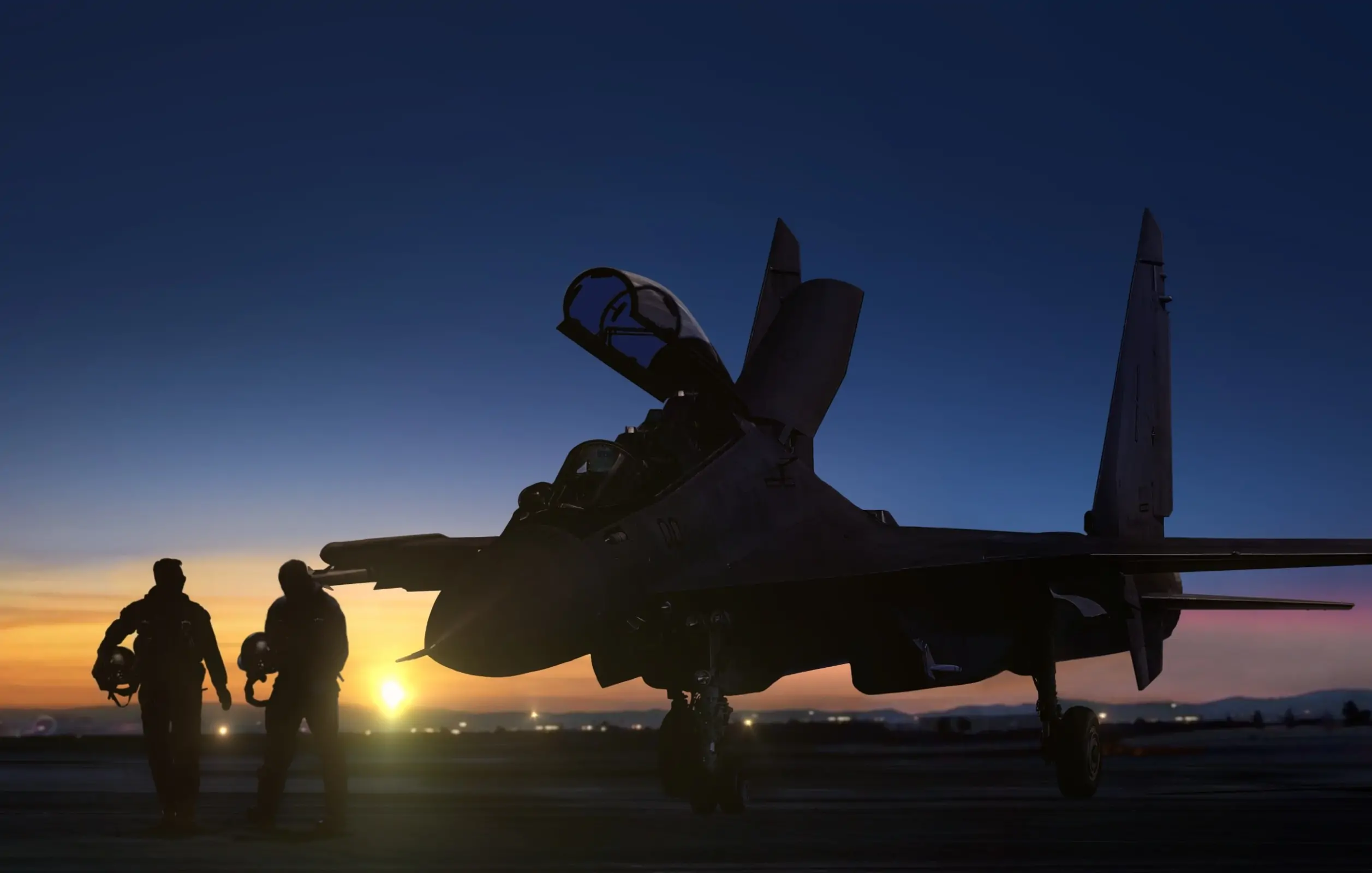
The October 7 Wake-Up Call Raises the Stakes
The October 7 attacks revealed significant vulnerabilities in Israeli deterrence and raised questions about its ability to manage a sustained, multi-front conflict. In the event of a strike on Iran, Israel would face not only the direct fallout of the mission but also potential disruption of vital services: widespread power outages, transit breakdowns, and challenges to IDF response capabilities. Complicating matters, American military aid might be limited or delayed.
What Israel Still Needs from the United States
Even if Israel proceeds independently, it would still require at least pre-strike coordination with U.S. Central Command (CENTCOM). American involvement would allow for forward deployment of defense systems in the region and provide aerial reinforcements if the mission escalates. Equally vital is access to American intelligence and performance analysis—two domains where the U.S. maintains a decisive edge. These capabilities would be critical to ensuring a precise operation and understanding its outcomes.
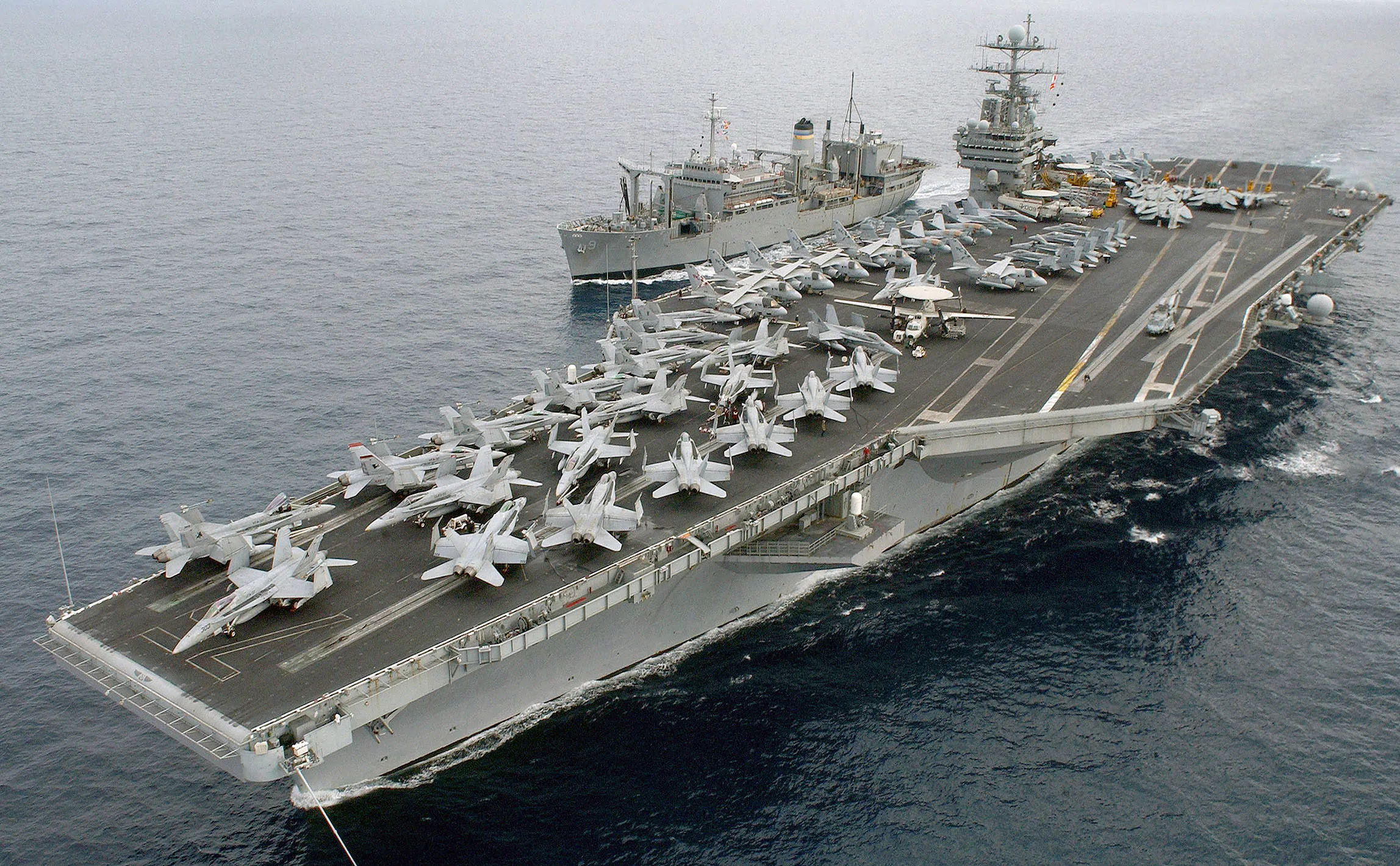
The Ideal Scenario: A Joint International Operation
From Israel’s perspective, the best-case scenario would involve a coordinated strike with the U.S. and possibly European allies. However, such cooperation appears unlikely under current conditions. To gain White House and broader international backing, Israel would likely need to initiate a political process with the Palestinians and conclude the ongoing war in Gaza—conditions that the current Israeli government seems unwilling or unable to meet.