
On June 6, the Israeli Air Force struck Hezbollah drone manufacturing and storage sites in the outskirts of Beirut. This was the fourth strike in the Lebanese capital since the ceasefire agreement. According to the IDF, the objective is “to prevent an industrial leap forward” by the Hezbollah terror organization.
Earlier, anti-tank and rocket operatives were eliminated in surgical drone strikes just across the border. In other words, while the northern front may seem relatively quiet, the IDF is clearly preserving full freedom of operation to stop any attempt by Hezbollah to regroup, rearm, or open fire. The IDF has also proven it can operate deep inside Lebanon when a real threat is detected.
The Israel–Lebanon Border
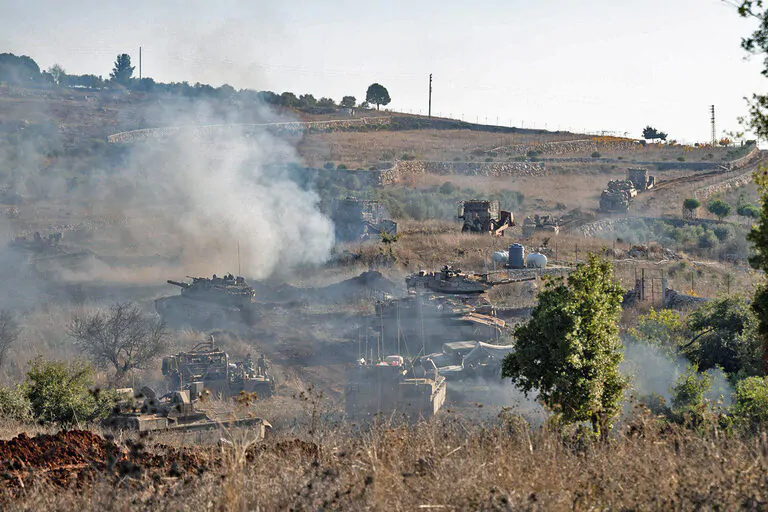
The entire border with Lebanon looks vastly different than it did before the war began. The transformation is striking: a wide belt of cleared, rocky ground now stretches along the border, the result of the IDF’s large-scale engineering initiative dubbed “Operation Silver Plow.”
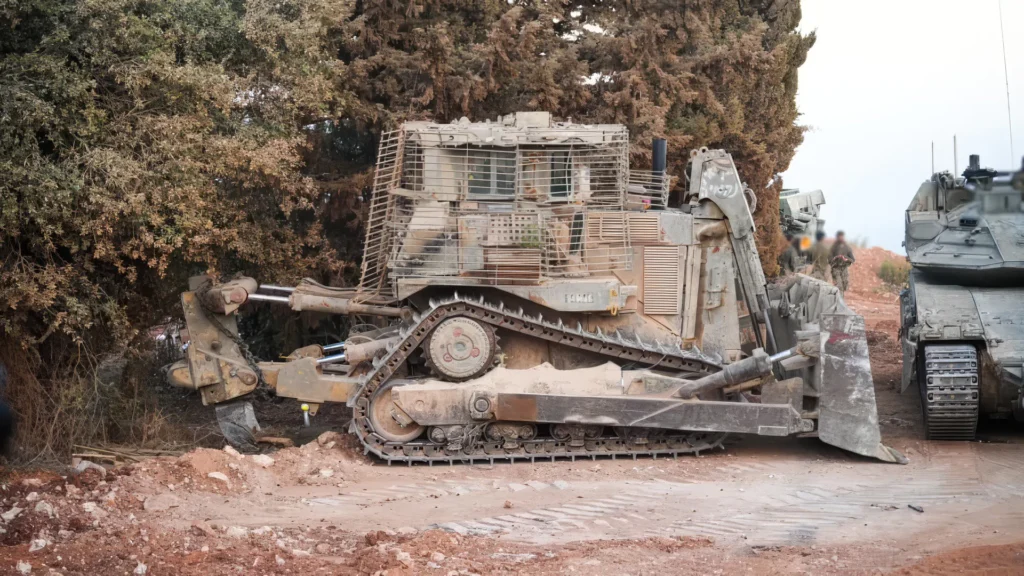
For over a year, hundreds of armored bulldozers and other heavy engineering vehicles, accompanied by combat engineering units, have been working to uproot vegetation and eliminate natural camouflage along the border.
עכשיו שחודשי הקיץ לפנינו, זו הזדמנות טובה לבחון איך אזור הגבול בין ישראל ללבנון נראה היום.
הצמחיה החורפית יורדת למינימום וכך ההבדלים בצומח באזור הגבול הרבה יותר מובחנים. שימו לב לחישוף השטח לאורך כל גבול ישראל-ללבנון.
פעולה זו התבצעה תחת מבצע “מחרשת הכסף” שנחשפה לפני מספר… pic.twitter.com/G3CQGWOGQ6— Ben Tzion Macales (@BenTzionMacales) June 9, 2025
Inside Lebanese territory, five small Israeli outposts remain. According to the Lebanese Armed Forces, more than 90 percent of Hezbollah’s infrastructure south of the Litani River has been dismantled. Before the ceasefire, Hezbollah operatives were eliminated in underground bunkers and offensive tunnels, which were uncovered and destroyed one by one. Since the agreement, the focus has shifted to creating a completely exposed and controlled border zone—one that also restricts movement on the Lebanese side.
Today, every Lebanese movement near the border is under surveillance. Vegetation no longer offers cover, and at night, the border is lit with floodlights and monitored through thermal imaging. The open terrain allows IDF troops to maneuver freely throughout the area.
Hezbollah Struggles to Recover – While the IDF Holds Ground in Syria
Hezbollah has been violating the understandings in small, cautious increments, while Israel’s defense establishment makes it clear to both Hezbollah and the Lebanese government that any effort to rebuild terror infrastructure or approach the border will trigger an immediate response. Beirut seems to recognize the need to dismantle Hezbollah’s military capabilities, and the Lebanese Armed Forces have shown intermittent progress in dismantling Hezbollah’s outposts—part of a broader effort to stabilize the border in the near term.
Meanwhile, the collapse of the Assad regime in Damascus has allowed the IDF to deploy nine mobile outposts up to 15 kilometers inside Syria and to take control of Mount Hermon’s peaks. These positions, stretching in an arc from north of Quneitra to the summit of Mount Hermon, serve as deep observation posts and as a clear warning to any militia attempting to entrench itself in the area. Since the Israeli Air Force destroyed Syrian air defense batteries and missile stockpiles to prevent them from falling into jihadist hands, southern Syria has effectively become a demilitarized zone.
Summer 2025: The Return to the North
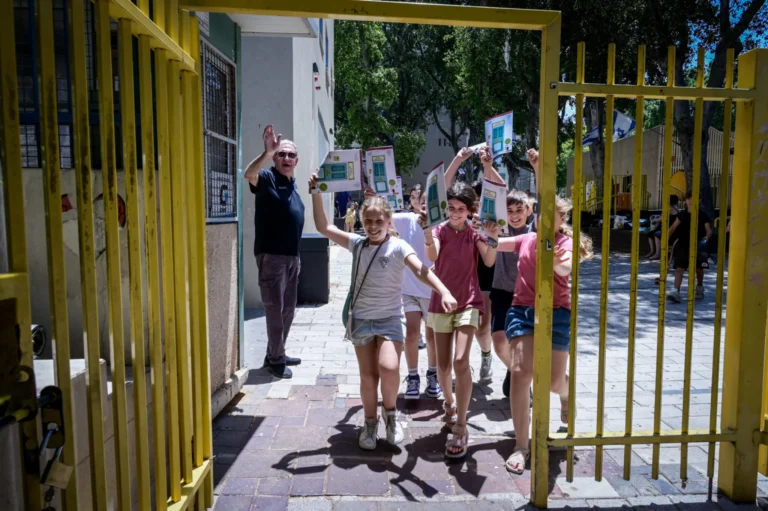
Roughly two and a half months ago, the IDF declared that there is “no security impediment” to returning home, marking the beginning of a slow journey back to normalcy in Israel’s north. In Metula, only a small number of residents have returned, while others are waiting for their homes to be repaired and their safe rooms to be reinforced. Kibbutz Manara, which suffered heavy shelling, is still empty. However, more distant communities that experienced less damage have seen return rates of over 90%.
Northern Command officials now speak of a rare window of opportunity: on one hand, Hezbollah is struggling to regroup, while on the other, the IDF is completing construction of a fortified buffer zone. The government is encouraging the return to the north through reconstruction grants, security budgets, and investments in employment infrastructure. Ultimately, however, everything hinges on one simple test: lasting security quiet.
Iranian funds are once again trying to flow to Hezbollah, and extremist rebel factions continue to operate on Syria’s periphery. The true test is likely to come in the summer ahead.