
Mary was born in April 1922 in Berlin, Germany. Her family belonged to the upper middle class — her father was a successful lawyer, her mother a teacher. Raised in a secular Jewish household, Mary loved books, languages, and theater, and enjoyed the rich cultural life of Germany in the 1930s.
Everything Changed
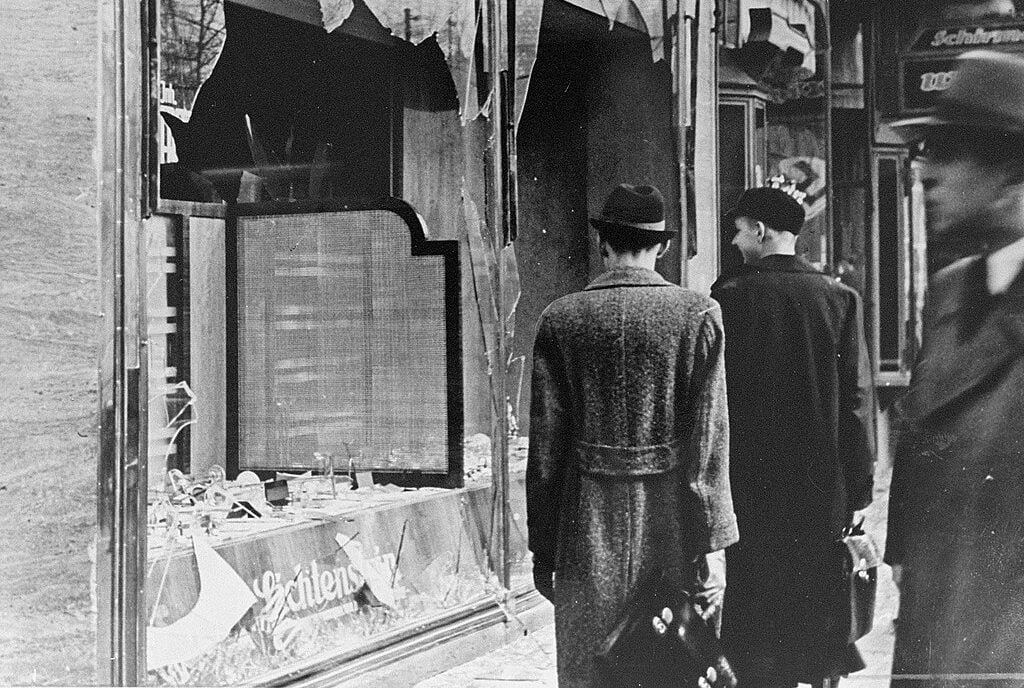
After the Nazis came to power, Mary’s life was slowly dismantled. She was banned from school trips, later expelled from school entirely, and eventually forced to wear the yellow star. Her mother died of cancer in 1938, and her father passed away in 1941. As an only child, Mary was left completely alone. The city that once nurtured her had become a trap.
A Life-Altering Decision
In October 1941, Mary received a summons for forced labor — a death sentence in disguise. She boarded the tram as instructed but slipped away mid-route. It was the last time she used her real name. “I want to live,” she told herself — and chose to disappear.
So begins one of the most extraordinary survival stories of the Holocaust — not in a concentration camp, but right under the nose of the Nazi regime.
Living Under a False Identity
Mary adopted the name Marianne Schüler, a fully German-sounding name, and began living under an assumed identity. Armed only with fake papers, altered clothing, a timid expression, and raw courage, Mary evaded detection. She moved from hiding place to hiding place — sometimes sleeping in stairwells, occasionally lucky enough to find an old sofa for the night.

A Daily Battle with Fear
Mary took any job she could find — as a secretary, housemaid, or factory worker. Each day brought the risk of discovery and death. She carefully mimicked the behavior of German women and never missed a detail. When a policeman or official passed nearby, her heart raced. A single misstep could be fatal.
But she survived. Without family, money, or a home, Mary lived thanks to her resourcefulness and the kindness of a few. She never gave in.
A New Life, A Long-Held Secret
After the war, Mary reclaimed her name and returned to Berlin. She enrolled in university, became a philosophy professor, and lived a quiet life. For decades, she didn’t speak about her wartime experience. Only in her final years, during the 1990s, did she begin recording her memories.
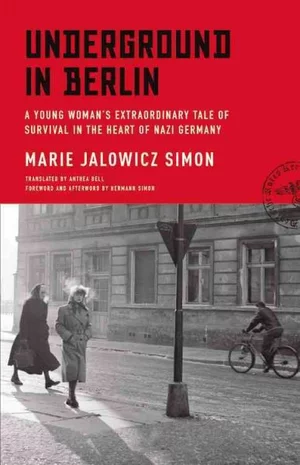
After her death in 1998, her family discovered the tapes. They were edited and published in 2014 as the book “Untergetaucht” (“Underground” or “Submerged”), based on 77 audio recordings Mary had made.
A Bestseller That Moved a Nation
The book became a bestseller in Germany and Mary’s story received wide attention across Europe. Though it lacks the imagery of concentration camps and barbed wire, it is a powerful testament to the courage of one young woman who chose life — in the very heart of Nazi Berlin.