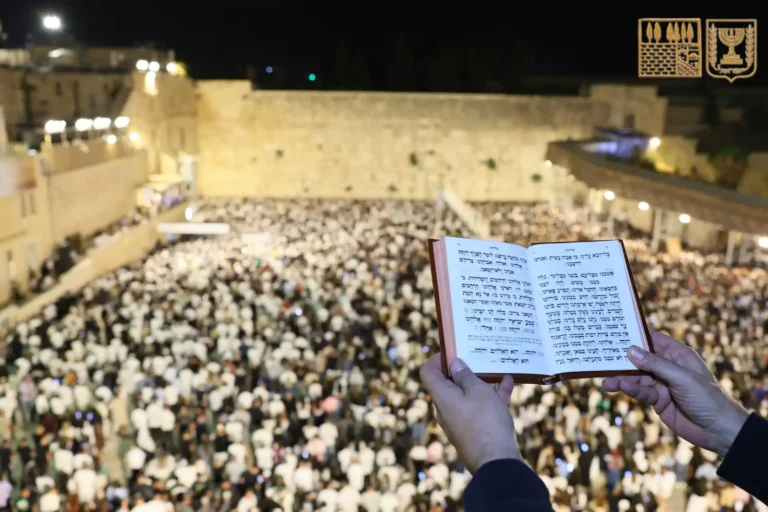

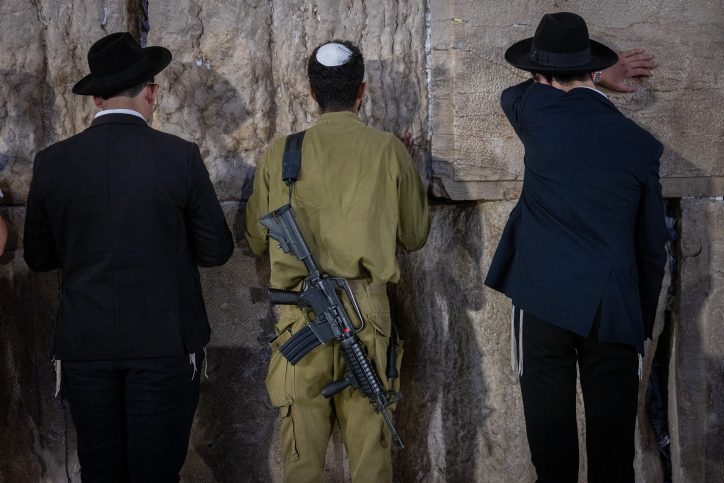
For over 500 days, we have been living in an atmosphere marked by the events of the Simchat Torah massacre and the Swords of Iron war that followed. Wars and crises intensify deep processes and strengthen internal trends that have sometimes been hidden. A simple analysis of the socio-spiritual index of Israeli society, disconnected from the lenses of media studios, clearly reveals that there has been a discernible trend for over a decade of rising demand for anything that strengthens and enhances Jewish identity.
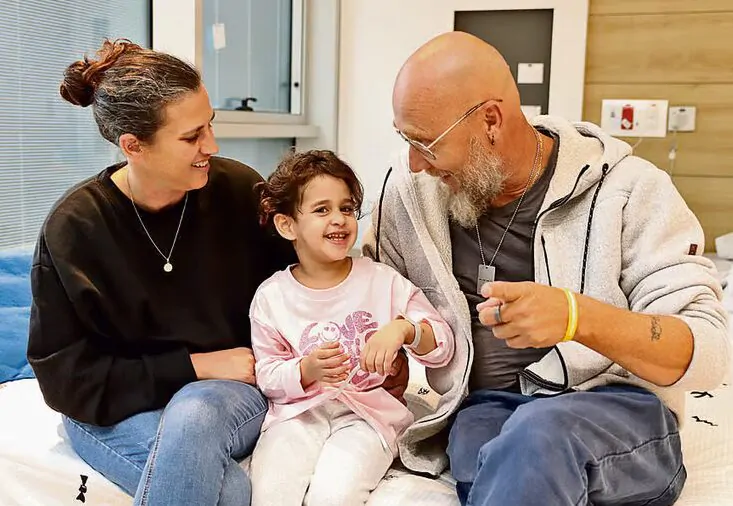
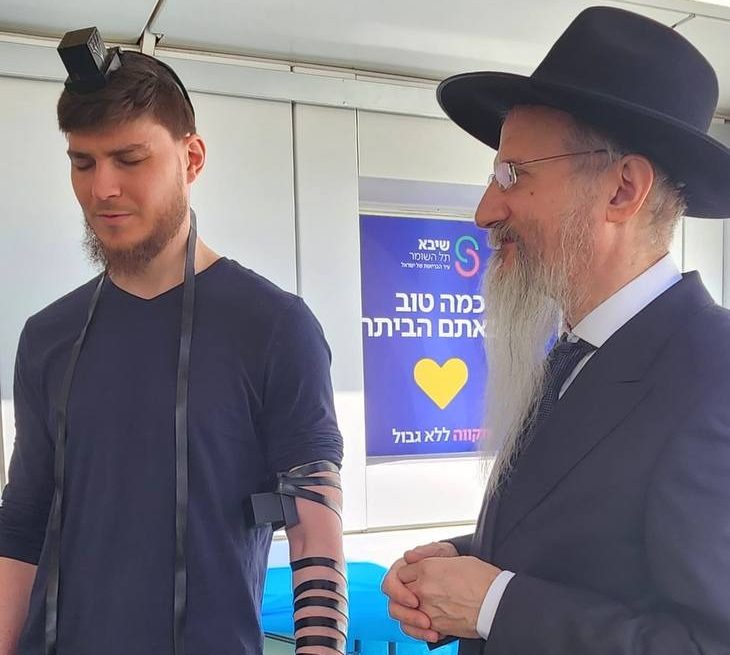
A prominent example of this is revealed through the testimonies of the released hostages. After waiting for their return to the embrace of their families, both personally and nationally, the things the hostages such as Agam Berger, Keith Segal, and others, say have elevated this trend of connecting to Jewish identity to heights we have not seen before. One by one, they expressed the necessity and presence of the Almighty in their lives during captivity, revealing the source of their faith and hope in the tunnels, and simply highlighting the strength of their connection to the commandments, Shabbat, prayer, and tefillin.
Time for Renewal of Identity and Values
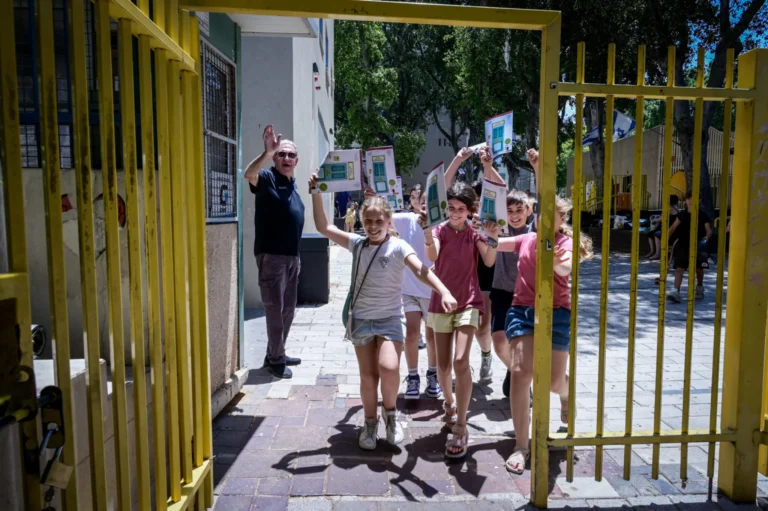
As an organization engaged in fostering Jewish identity in the communities surrounding the Gaza border, we’ve found ourselves increasingly responding to individuals and institutions in the area of Jewish celebrations, Shabbat observance, and events in the Jewish calendar such as matzah baking, Selichot, Yom Kippur prayers, and diverse educational content in educational institutions.
Unprecedented Demand for Jewish Identity
Since the outbreak of the war, we are witnessing peaks in demand that we were not accustomed to, not just in the volume of inquiries but primarily in the intensity of the demand, in the direct appeal to the sacred and in the emotional identification with the topics. No media outlet or organization trying to obscure Jewish identity can stop the trend that has become a flowing river.
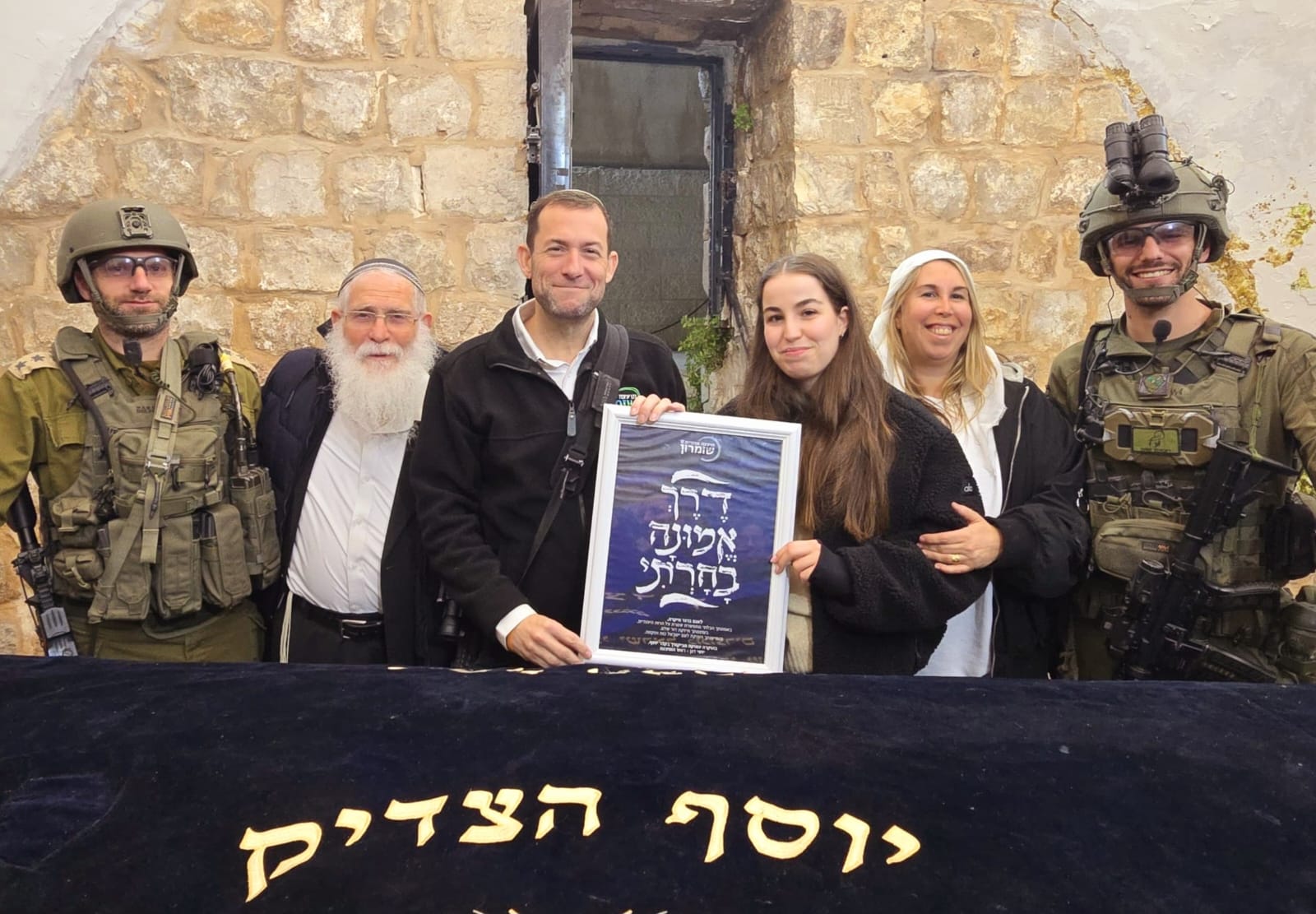
Currently, we are in the midst of a project to write a Torah scroll in memory of the fallen from the city of Sderot. The uniqueness of the initiative is that it comes from youth students from Sderot, not from an institution associated with religious education. Yet we are amazed by the strength of the youth’s identification with the initiative and their commitment to mobilize all their acquaintances for its success.
A Voice of Hope from the Darkness: Daniella Gilboa Sings “Shalom Aleichem” in Arabic; Credit: “Together We Will Win”
A verse in the Song of Songs says: “The time of the singing (zamir) has come, and the voice of the turtle dove is heard in our land.” The interpretation of “the time of the zamir” is twofold. The first is that songs are sung, the second that the song itself is called a zamir. The scripture in Isaiah also uses the word zamir in the expression: “zamir of tyrants”, in its meaning of pruning and trimming. It seems there is a direct connection between intensive warfare that leads to the destruction and pruning of global evil, and the emergence of renewed spiritual and soulful forces that bring forth song.
The author is head of the B’ayin Yehudit (With a Jewish Eye) organization, strengthening Jewish Identity in the South of Israel.