
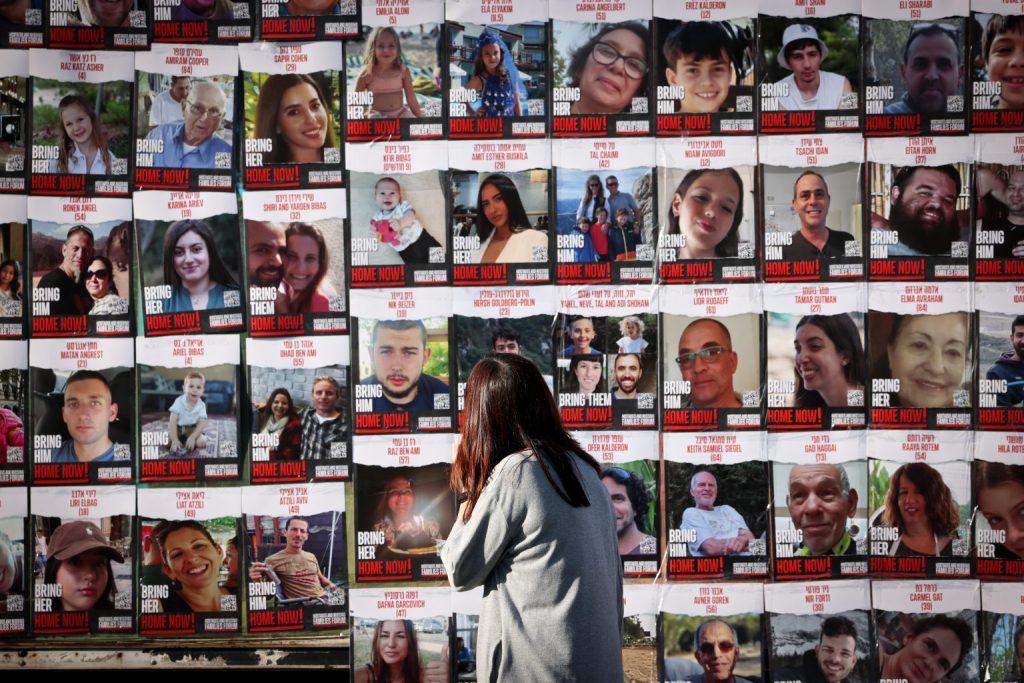
Following the approval of the hostage deal and Prime Minister Netanyahu’s statement tonight (Friday), a temporary ceasefire in Gaza will take effect tomorrow. In the initial phase, 33 hostages – including women, children, and the ill – will be released in exchange for 90 security prisoners. Concurrently, the IDF will commence a phased withdrawal from populated areas in Gaza while preparing to receive the returning hostages.
Ceasefire to Begin Tomorrow at 8:30 AM
The temporary ceasefire is set to begin at 8:30 AM, 415 days since the last truce and 471 days after the onset of the Swords of Iron war on October 7. The deal includes the initial release of three female hostages, expected to return to Israeli territory in the afternoon, no earlier than 4:00 PM. However, Hamas has yet to submit their names as agreed, marking the first breach of the deal. A senior Israeli official anticipated delays and manipulations by Hamas, stating: “This is a terrorist organization, and they will employ psychological terror against the Israeli public and the families throughout the deal’s duration.”
Phase One: Gradual Release of 33 Hostages
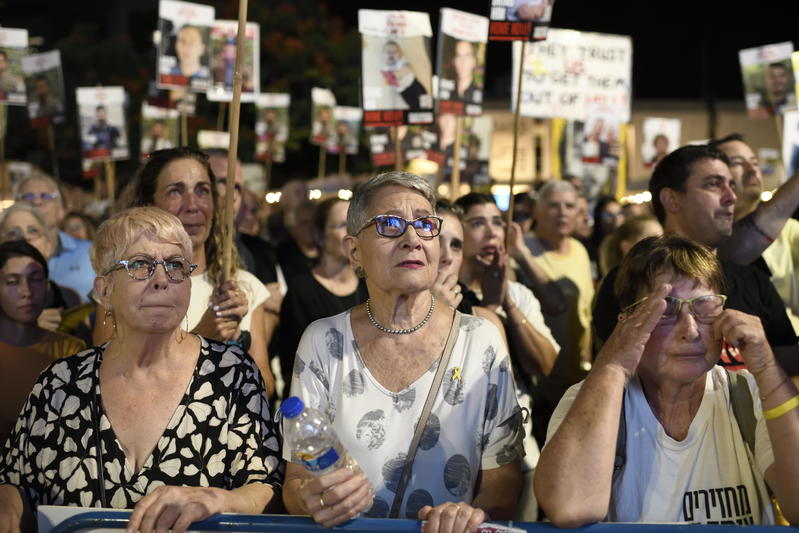
In the first phase, 33 hostages – including women, children, women soldiers abducted from Nahal Oz, elderly individuals over 50, and non-combatant sick and injured persons – will be released. This group also includes Avera Mengistu and Hisham al-Sayed, held captive in Gaza for over a decade. Israel will reciprocate by releasing 90 security prisoners, including women, minors, and prisoners not directly involved in the October 7 attacks.
Expected Release Timeline:
– Day 1: Three hostages (names pending), to be transferred shortly according to Arab reports.
– Day 7: Four hostages – one civilian and three soldiers.
– Day 14: Three hostages.
– Day 21: Three hostages.
– Day 35: Three hostages.
– Final Week: Twelve hostages, including Hisham al-Sayed and Avera Mengistu.
The first phase will last 42 days. The second phase, starting on Day 16, will involve negotiations for the release of all remaining live hostages. While Hamas demands the release of additional prisoners and a complete cessation of hostilities, Israel plans to insist on dismantling Hamas as a governing entity and exiling its leaders.
Security Prisoner Release: Oversight and Restrictions
As part of the deal, up to 1,904 security prisoners will be released, including 290 serving life sentences. Those convicted of murder will be deported to Gaza or abroad, while others will be sent to the West Bank or East Jerusalem. The Israeli Prison Service is taking measures to prevent celebratory gatherings, particularly in East Jerusalem, where police have issued warnings to prisoners’ families.
Hostage Reception: Structured Care and Support
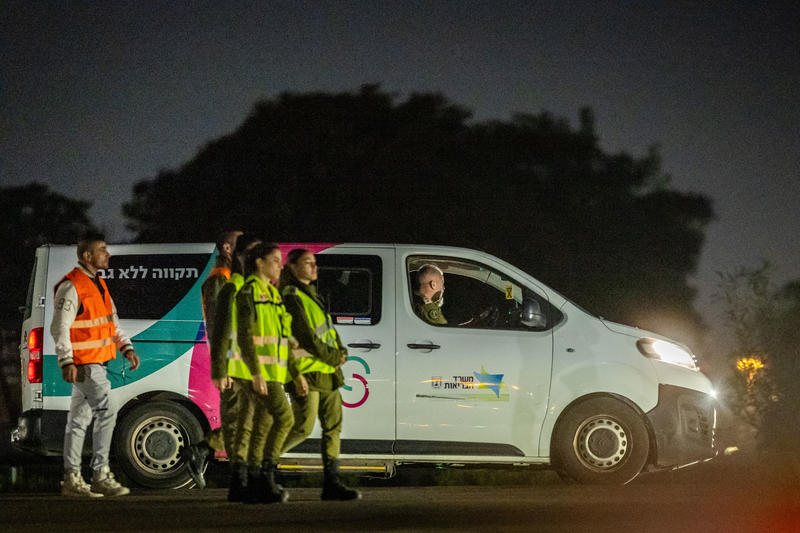
The IDF has established three reception centers in Re’im, Kerem Shalom, and Erez to receive the hostages. Under “Operation Wings of Freedom,” initial medical evaluations and psychological support will be provided. Hostages will then be transferred to hospitals, including Ichilov, Sheba, Beilinson, Shamir, Barzilai, and Soroka, where dedicated facilities have been set up for their care.
IDF Withdrawal from Gaza: Step by Step
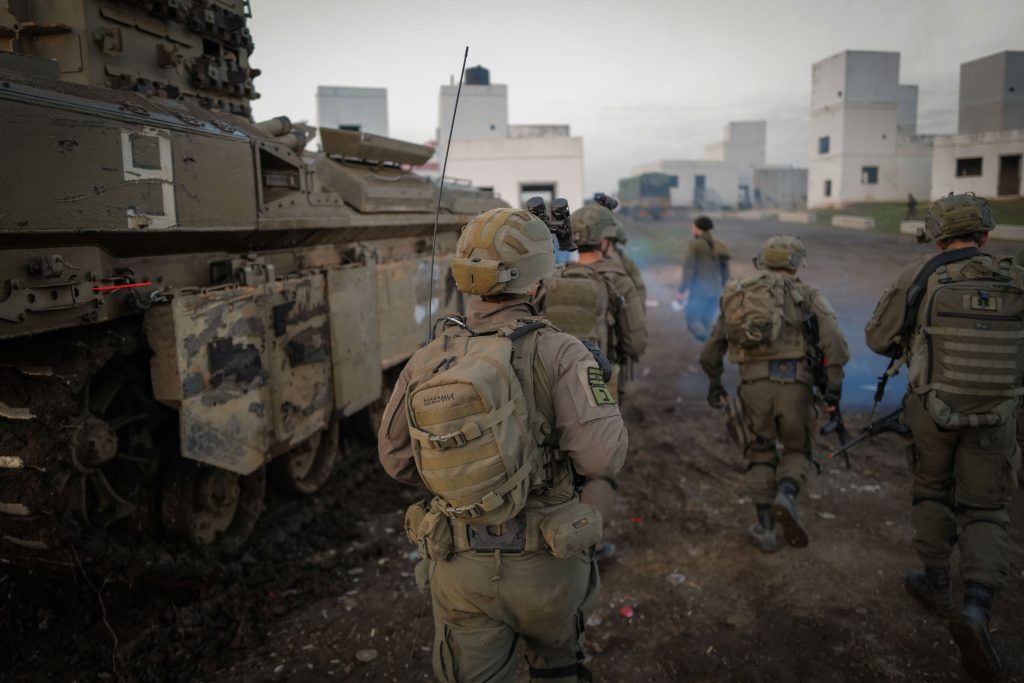
Under the agreement, the IDF will begin a gradual withdrawal from populated areas in Gaza while maintaining a 700-meter buffer zone inside the territory. Over the coming weeks, the IDF will also withdraw from the Philadelphi Corridor and Netzarim Route, ensuring oversight mechanisms for humanitarian aid transfers through Rafah.
Netanyahu’s Declaration: “Preserving the Right to Resume War”
At the end of the first phase, negotiations will begin for the complete release of all hostages. Should agreements not be reached, Israel retains the right to resume military operations. The U.S. administration has expressed support for this stance, with outgoing President Biden and incoming President Trump both providing assurances.
As reported tonight, Prime Minister Netanyahu clarified in his statement to the media that Hamas demanded Israel commit to ending the war as a condition for releasing hostages. He rejected this demand, emphasizing that Israel retains the right to resume combat if necessary. Netanyahu stated:
“We are preserving the right to return to war, if needed, with the backing of the U.S.” He also addressed the Philadelphi Corridor, asserting: “Not only will we not reduce our forces there – we will even expand them slightly.”
Watch Netanyahu’s Speech: