
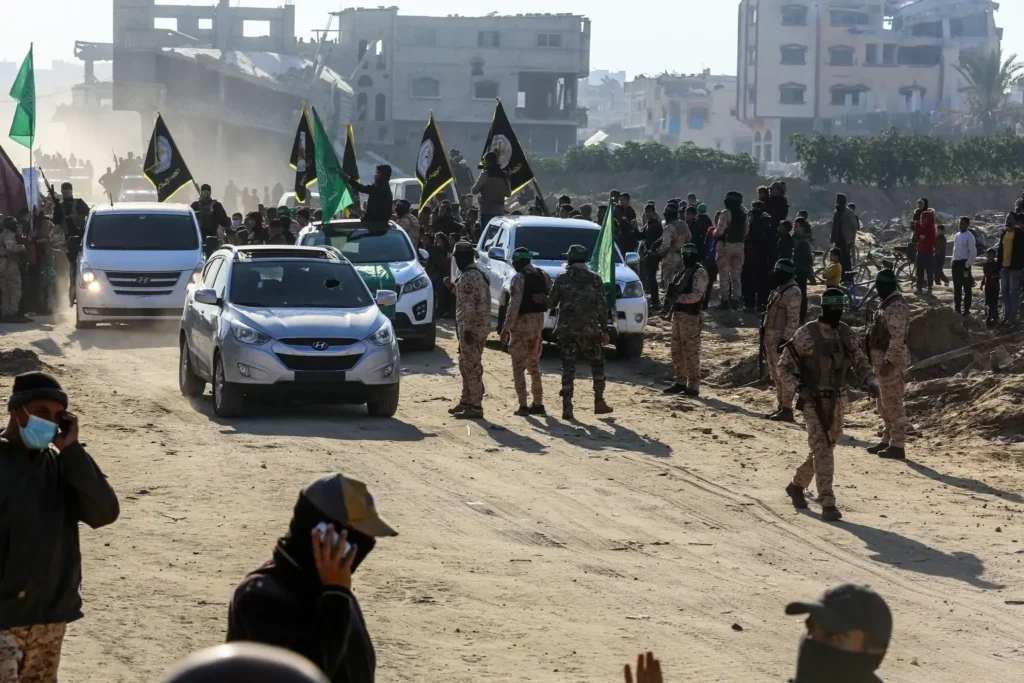
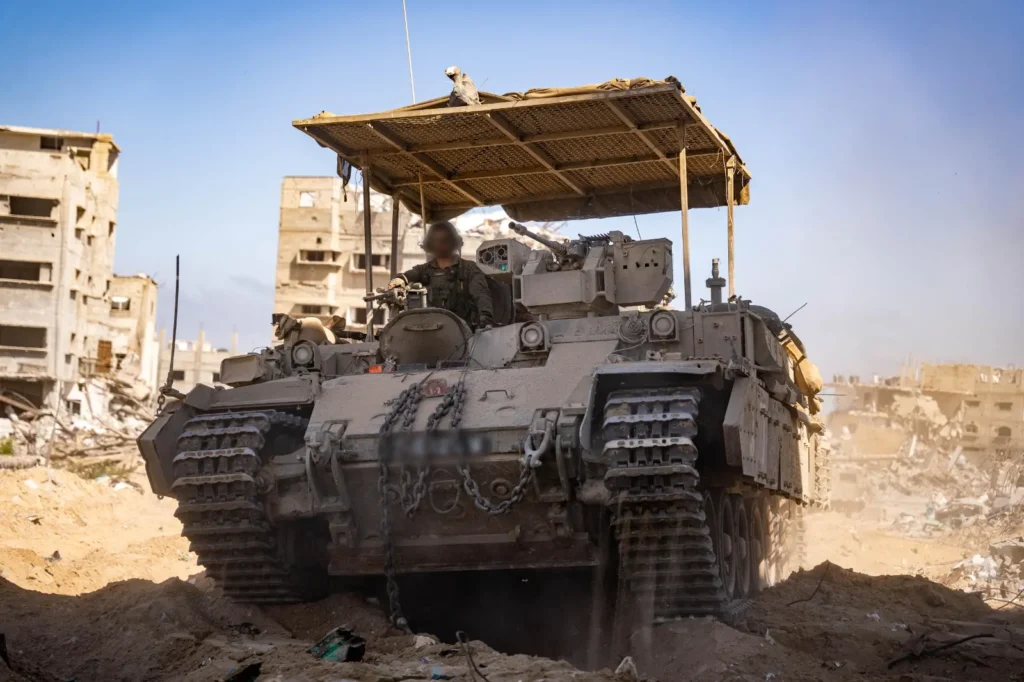
In the midst of Operation “Gideon’s Chariots” led by the IDF in Gaza, Hamas representatives have returned—for the first time in weeks—to the negotiating table. The talks are being held in Doha, the capital of Qatar, and are currently described as intensive and without preconditions.
From Israel’s perspective, this development is seen as a minor diplomatic achievement resulting from military pressure. However, there is significant skepticism—and not without reason: Hamas has rejected the framework that Israel seeks to promote and, moreover, is attempting to set new conditions.
The Witkoff Framework: On the Table but Not Agreed
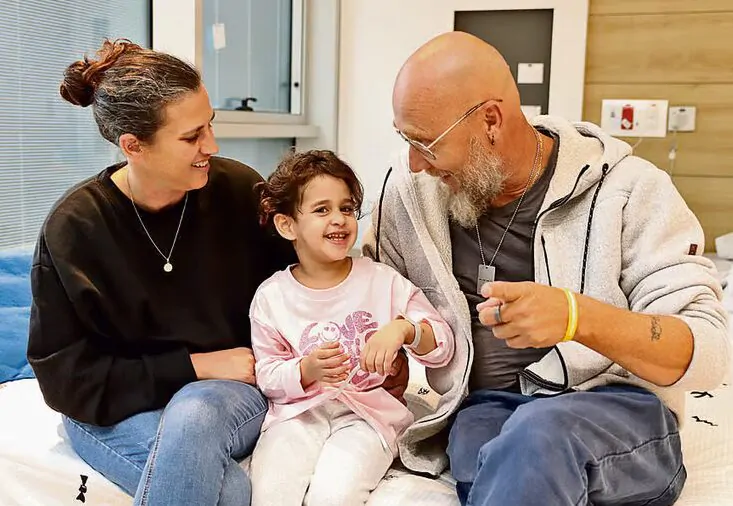
According to Israeli officials directly involved in the process, Hamas has refused to accept the “Witkoff Framework”—a proposal that mediators worked on for weeks. According to the plan, ten live hostages were to be released immediately on the first day, followed by phased negotiations for the release of additional hostages, alongside a partial ceasefire.
However, Hamas is not adopting the framework and is willing only to engage in general dialogue, where each side presents its position. As a result, Israeli sources say, “We are not optimistic. There is willingness for dialogue—but no real commitment or breakthrough at this point.”

Hamas Seeks More – Israel Does Not Yield
According to Palestinian sources, the current proposal under discussion includes:
-
A ceasefire lasting up to 70 days
-
Immediate release of 8–10 hostages
-
Release of 200–250 Palestinian prisoners, including life-sentenced murderers
-
Allowing humanitarian aid into Gaza
-
Withdrawal of IDF forces to pre-March positions
Additionally, American representatives sent to Qatar have clarified that if a preliminary agreement is reached, a second round of negotiations would aim for a broader settlement to ultimately end the conflict.
International Pressure
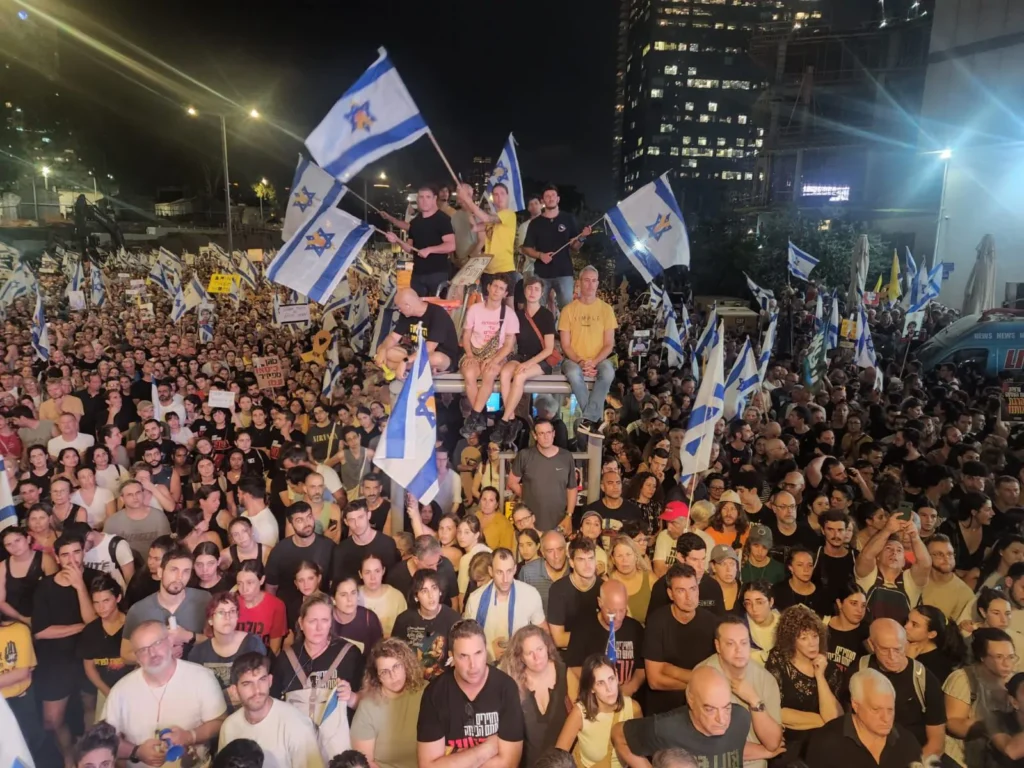
While talks continue, the international community is pressuring Israel to halt the military operation and focus on a settlement—in exchange for the return of hostages. Israeli officials understand the emotional appeal behind this demand but stress that Hamas’s willingness to negotiate does not necessarily indicate a genuine readiness for a real agreement.
Dialogue Emerges from Pressure – but a Deal Is Not Assured
According to Israeli analysis, it is the military operation in Gaza that pushed Hamas back to the negotiating table. Defense Minister Israel Katz stated, “With the launch of the operation, the Hamas delegation announced a return to negotiations—without prior demands for a humanitarian ceasefire.”
At this stage, Israel seems to be balancing continued fighting with the need to signal openness to a deal—as long as the terms do not amount to capitulation to Hamas. Cautiously, political sources state, “There is movement, but no agreement.”