
After significant developments unfolded today (Wednesday) in negotiations between Israel and Hamas, Israeli and international media reported an agreement has been reached to finalize a ceasefire and hostage release deal. In Israel, a special government meeting is scheduled for tomorrow morning to approve the agreement. Political sources in Israel and abroad confirm that Hamas has submitted an affirmative and signed response to the current deal.
Negotiation Challenges and Progress
Throughout the day, there were reports of unresolved issues between Israel and Hamas. Tensions peaked in the evening as Hamas introduced new demands regarding the Philadelphi Route. However, Israeli negotiators and government officials remained firm, ultimately leading Hamas to withdraw its conditions. Despite progress, political sources indicate that minor details still need to be finalized.
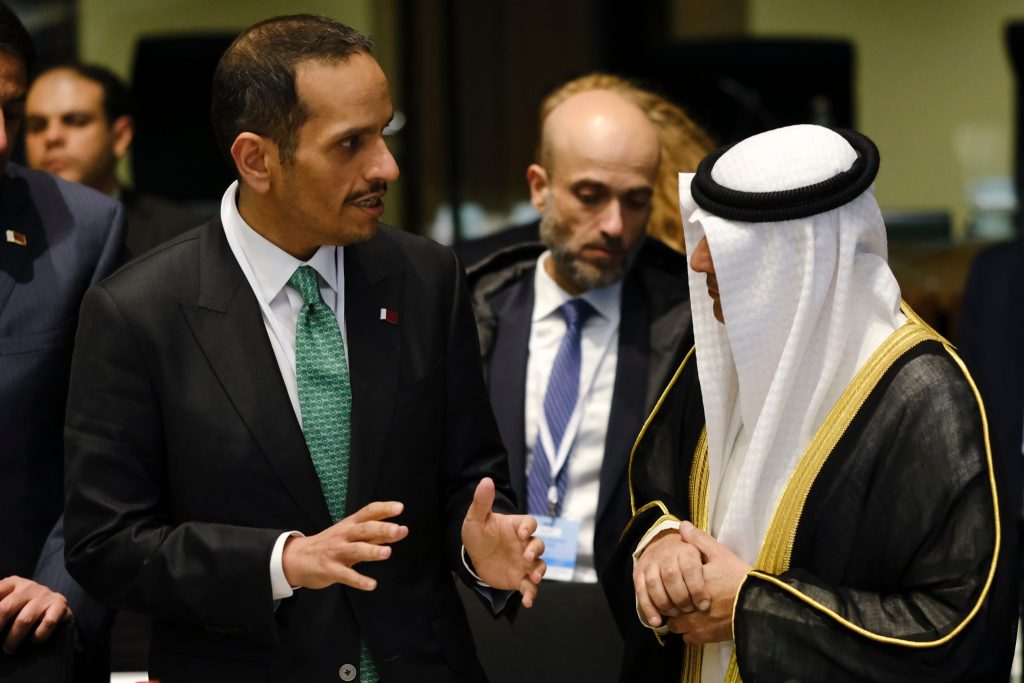
The Qatari newspaper Al-Araby Al-Jadeed reported that Qatar’s Prime Minister Mohammed Al-Thani will hold a press conference to announce the details of the deal vey shortly.
Outline of the Agreement
Last night, the Prime Minister held a consultation with the heads of the negotiation team and senior defense officials, during which the progress of the talks and the remaining unresolved issues were discussed. Following the situation assessment, the negotiations continued in Doha, and sources familiar with the negotiations in Israel stated that if the agreement is approved soon, the first release of hostages could begin as early as this coming Sunday.
Key provisions of the agreement reportedly include: An immediate ceasefire, operation of the Rafah crossing for humanitarian aid supplies to Gaza, and the release of 1,000 Palestinian prisoners, including 190 serving long-term sentences – but excluding the Nuchba militia terrorists. The extreme terrorists involved in murders will only be released to Gaza or abroad, but not to Judea and Samaria.
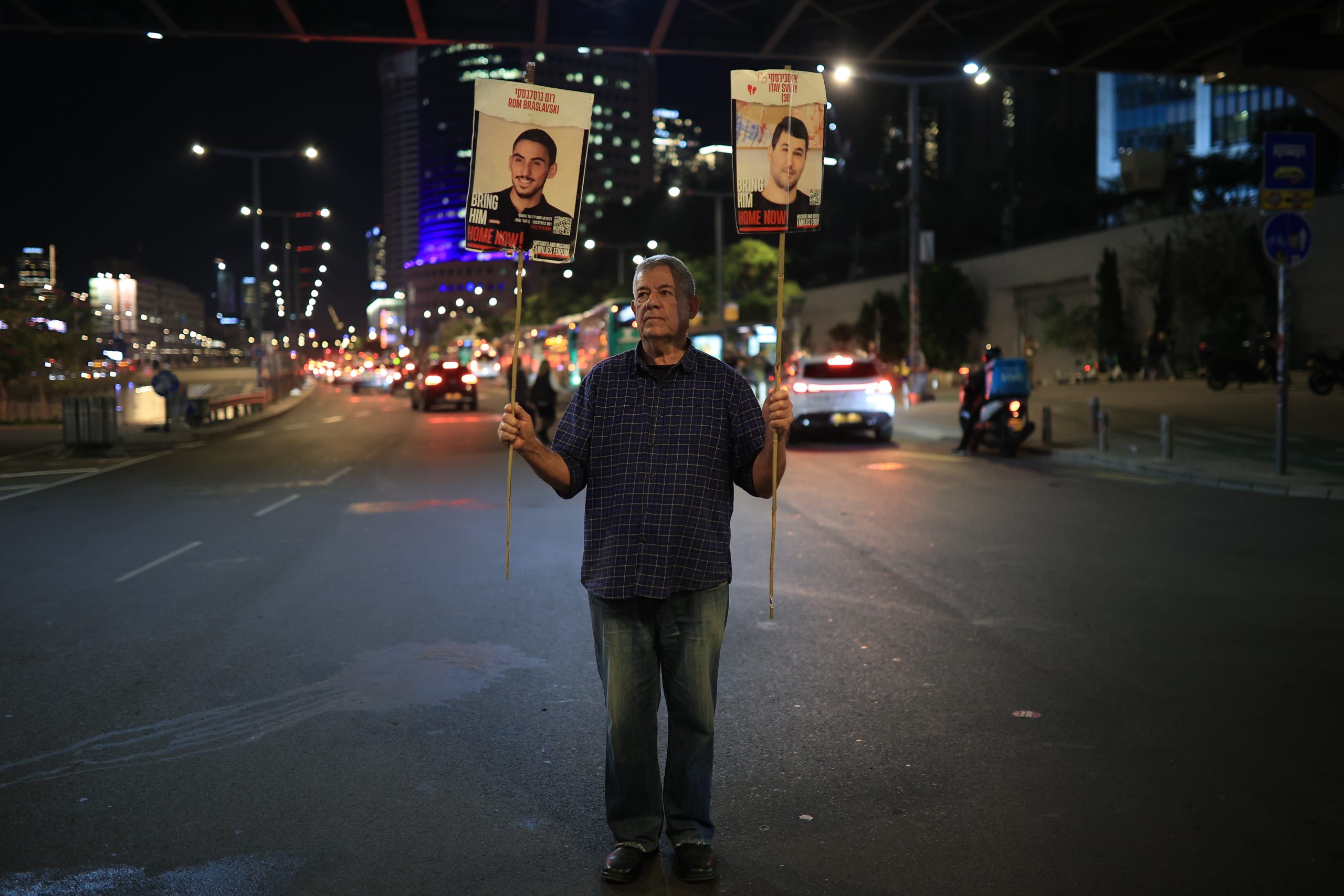
In return, Hamas will release Israeli hostages in separate groups, with women being the first to be freed. On the first day of the ceasefire, three hostages are expected to be released, followed by four more a week later. This process will continue at a similar pace, with approximately 14 hostages being released in the final week. According to Moriah Asraf from Channel 13, the agreement includes an exchange ratio of 30 prisoners for each single Israeli civilian, and 50 for each female soldier, with a total of 33 hostages to be freed. Additionally, 600 humanitarian aid trucks will be allowed into the Gaza Strip.