
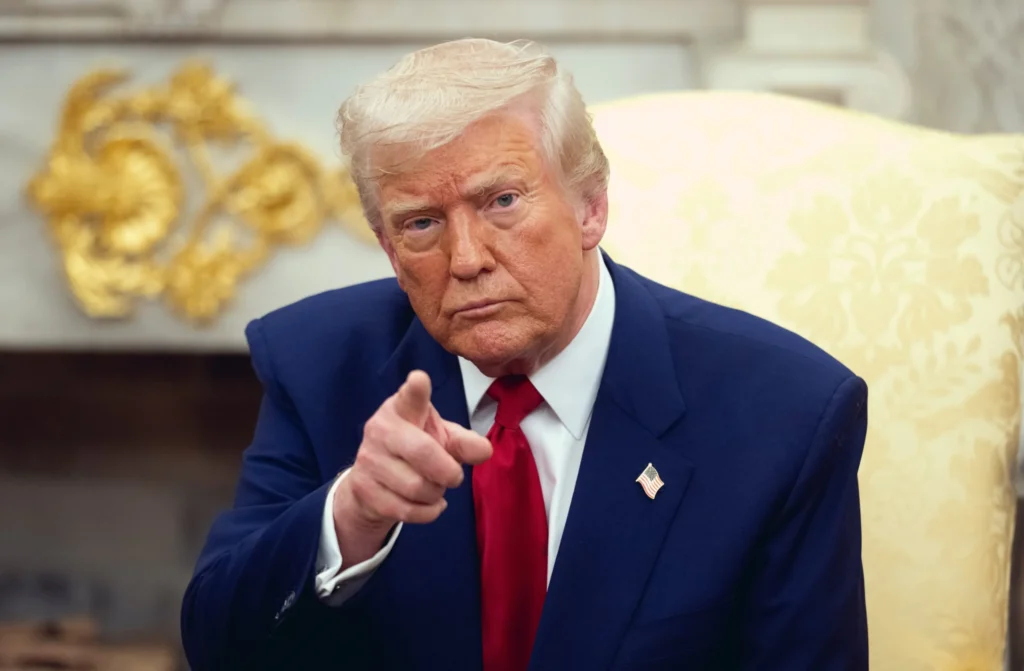
A proposed plan to end the Gaza war is being advanced by the United Arab Emirates and Saudi Arabia under the sponsorship of U.S. President Donald Trump, as revealed Wednesday evening by Israel Hayom. The initiative seeks to establish a complete ceasefire, release all hostages and fallen soldiers, dismantle Hamas’ military and political control in the Strip, and enable an Israeli withdrawal while facilitating Gaza’s reconstruction under broad international oversight.
Behind-the-Scenes Diplomacy
Discussions are reportedly ongoing between Israeli, Arab, and American representatives. A senior Gulf official stated: “This is an essential condition for removing obstacles on the way to Trump’s regional mega-deal – a comprehensive agreement that could include Saudi Arabia and potentially lead to a Nobel Peace Prize.”
Plan Phases: Hostage Release, Disarmament, and Reconstruction
According to the report, the plan includes practical stages, focusing initially on the hostage issue:
- Immediate ceasefire based on the Witkoff framework, with the release of half the hostages within days.

International Civil Administration: No More Hamas
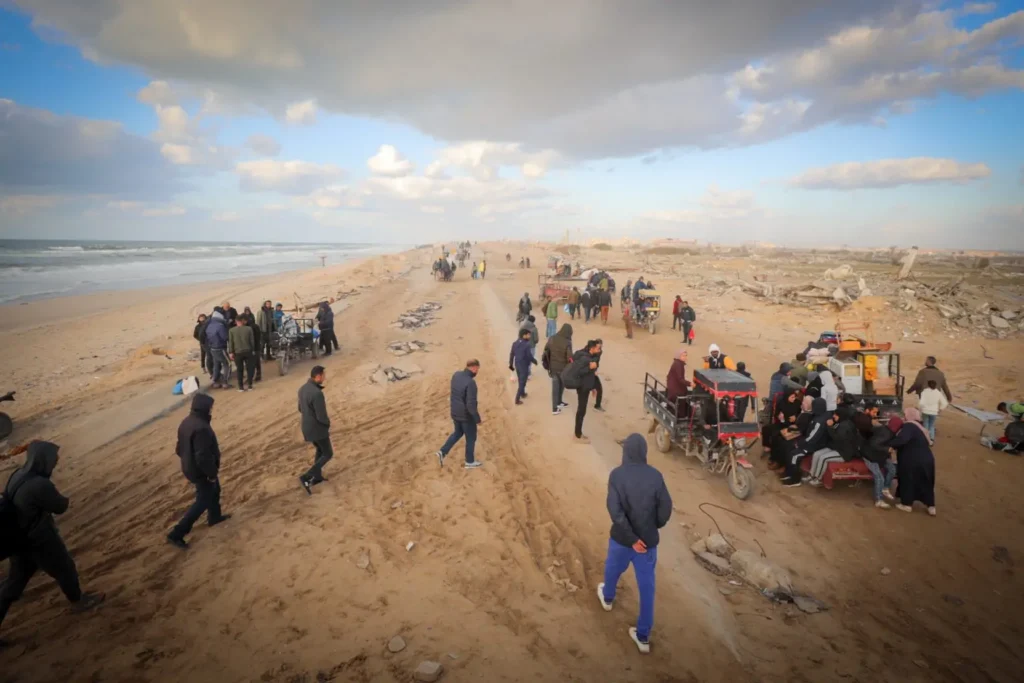
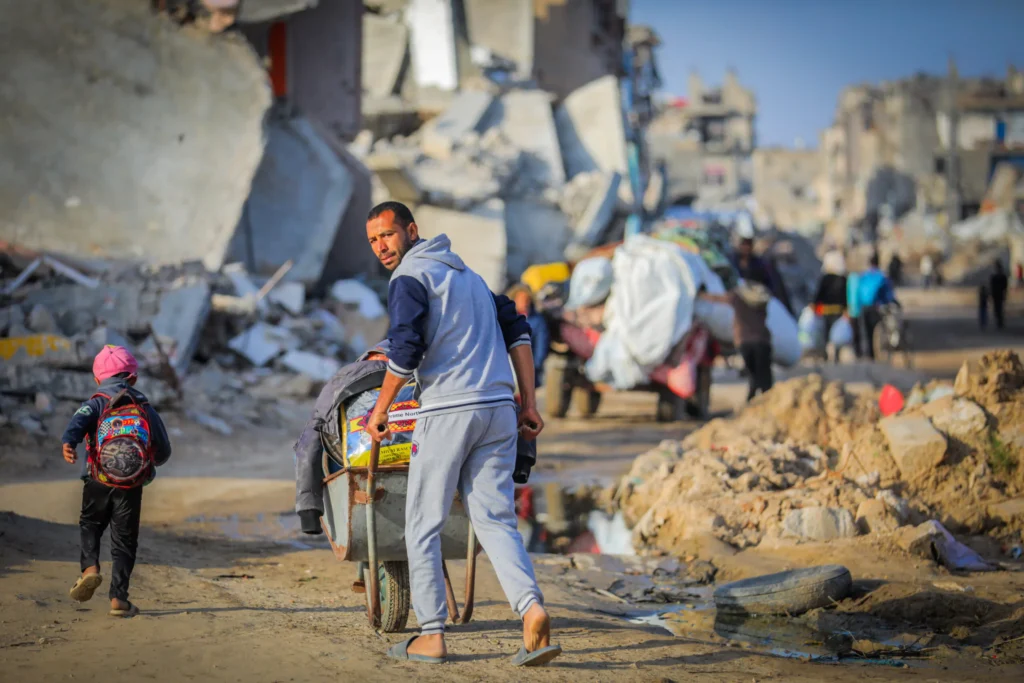
Once the fighting ends, an international committee will oversee Gaza’s reconstruction, involving the U.S., Saudi Arabia, UAE, Egypt, Jordan, and European representatives. This body will manage civilian life instead of Hamas, incorporating Palestinian civilians such as engineers, economists, and administrators.
The Palestinian Authority’s role remains minimal for now and will be reconsidered later, contingent on structural reforms and anti-corruption measures. Additionally, the Gaza education system will be subject to stringent monitoring, with Riyadh and Abu Dhabi ensuring the removal of incitement content.
Internal Opposition: A Political Crossroad
According to Israel Hayom, Prime Minister Netanyahu faces a critical decision. Implementing the plan could divide the right-wing coalition, some of whom favor reoccupying Gaza and reestablishing Israeli settlements. Furthermore, the plan does not address the security perimeter in northern Gaza, a sensitive issue for right-wing parties.
Hamas has so far rejected demands to disarm and exile its leaders. However, heavy pressure is reportedly being exerted on Qatar – Hamas’ patron – by the UAE and Saudi Arabia, driven by Trump’s demand to achieve a breakthrough.
Trump’s Vision: A Comprehensive Peace Agreement
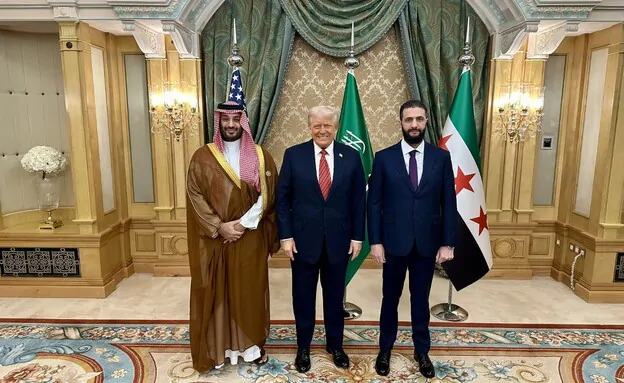
For Trump, the Gaza resolution is just the first step towards broader normalization between Israel and Arab states, particularly Saudi Arabia. Trump reportedly plans to include Syria and Lebanon in the next phase. However, Saudi Arabia insists on the creation of a Palestinian state as an essential part of a phased process.
Trump administration officials are also considering a revival of the 2020 “Trump Plan,” which proposed recognizing a Palestinian state over 70% of the West Bank, while granting Israeli sovereignty over the remaining territory, aiming to appeal to the Israeli right.
Historic Agreement or Political Gamble?
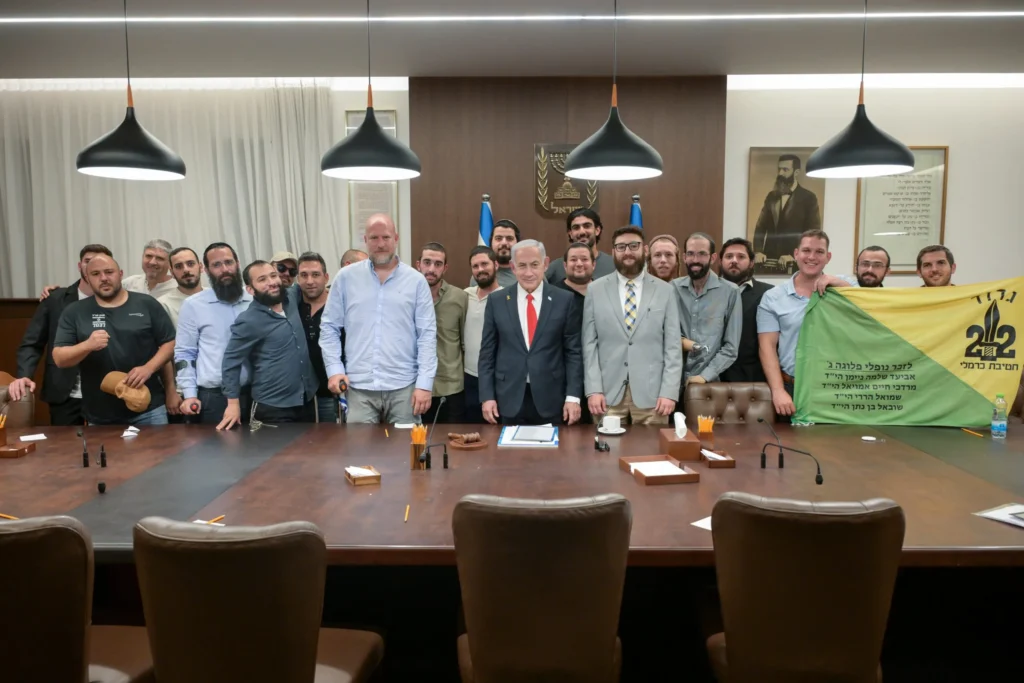
Prime Minister Netanyahu may attempt to separate the Gaza arrangement from other issues, implementing only parts of the plan. His confidant, Meir Ben Shabbat, summarized the cautious stance: “Israel must rely on itself and avoid entering processes that may be hard to reverse.”
The negotiations continue, and if a ceasefire is reached soon, it could lead to a historic diplomatic meeting between Trump and Netanyahu, marking the beginning of a regional peace agreement – or a significant political turning point in Israel.