
A delicate yet meaningful thread connects the Exodus from Egypt to the singing of “Hatikvah”, Israel’s national anthem. The sequence of commemorations between Passover and Independence Day—including Holocaust Remembrance Day and Memorial Day for Israel’s Fallen Soldiers—is no coincidence. It represents one of the clearest expressions of what researchers call a “civic religion”: a system of symbols, ceremonies, and national narratives that give new collective meaning to Israeli identity.
Forging a New National Identity
Following the founding of the State of Israel, Zionism faced a tremendous challenge: creating a new national identity. One that would no longer be based on exile, passivity, or prayers for redemption—but instead on sovereignty, initiative, and heroism. No longer the “old Jew” waiting for the Messiah, but the “new Jew” taking action. To achieve this, history needed to be reinterpreted—not rewritten, but carefully selected. Certain episodes were highlighted, particular figures were emphasized, and new meaning was assigned to their stories.
Thus, new myths were constructed—stories of resilience, sacrifice, and rebirth. Figures like Bar Kochba, Joseph Trumpeldor, and the defenders of Masada became central heroes in the emerging national narrative. They were not necessarily the traditional heroes of Jewish history but became powerful symbols of the new Israeli spirit. Their stories served as fuel for forging a collective identity.
Passover as a Starting Point
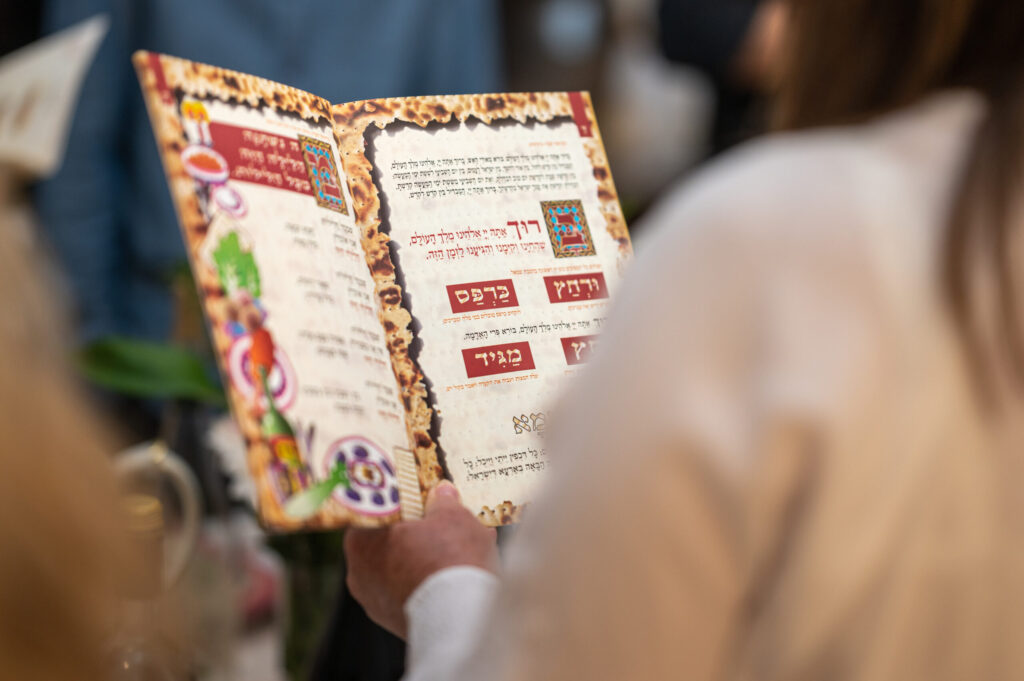
In this context, Passover—the ancient festival of freedom—was designated as a foundational point in shaping the new Jewish-Israeli narrative. It symbolizes the dream of liberation and was anchored in the calendar as the starting line of the Israeli story.
Sacrifice and Rebirth
In 1949, Memorial Day for Israel’s Fallen Soldiers was introduced immediately before Independence Day, linking the price of freedom to the celebration of sovereignty. It underscores that freedom and nationhood come at a cost— a cost of pain, sacrifice, and struggle.
Integrating Holocaust Remembrance into the National Story
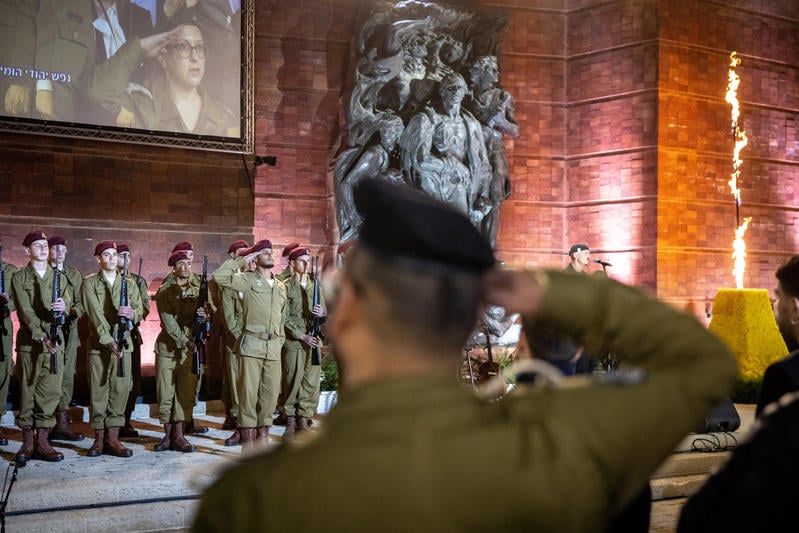
In April 1951, Holocaust Remembrance Day (Yom HaShoah) was established. Even though the Warsaw Ghetto Uprising had strong national symbolism, Israel did not choose the date of the uprising’s beginning nor the date of liberation (January 27). Instead, Holocaust Remembrance Day was placed between Passover and Memorial Day, deliberately embedding the story of Jewish suffering and exile within the Zionist ideological framework—emphasizing the journey: from slavery, through suffering, to rebirth and national sovereignty.
The Silent Memory: General Kaddish Day
That same year, alongside the state calendar, Israel’s Chief Rabbinate designated the 10th of Tevet, a fast day of mourning (Asarah B’Tevet) as the “General Kaddish Day” for Holocaust victims whose dates of death were unknown. The Rabbinate rejected proposals to commemorate it during Nissan (around Passover) because Jewish law prohibits mourning during that month.
Unlike Yom HaShoah, General Kaddish Day remains quieter—marked by prayer rather than national ceremonies. There are no flags, no official state rituals. It is a day of private and communal prayer, one that does not seek to integrate the Holocaust into the national rebirth narrative.
General Kaddish Day is almost absent from Israeli civic education and public discourse. Not because it is less important, but because it does not serve the national identity-building project in the way Yom HaShoah does.
If anything, General Kaddish Day reflects a religious identity—one that sometimes stands apart from the civic Zionist narrative.