
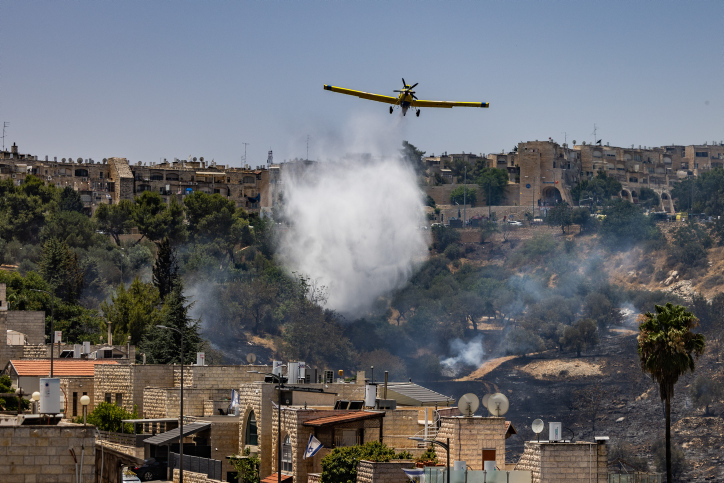
Following one of the driest winters in Israel’s history, the Meteorological Service within the Ministry of Transport is launching, for the first time, a system for forecasting wildfire risks. The system, set to go live this summer, was developed in collaboration with emergency and transportation bodies and is designed to minimize damage to infrastructure and save lives.
The tool combines weather data, vegetation moisture levels, and terrain conditions with advanced AI capabilities. It will be able to issue early warnings for high-risk areas – and even predict the direction of fire spread using simulations displayed on 3D maps.
Like Flood Forecasting – But for Fires
Minister of Transport Miri Regev said the new system is part of a broader strategy for addressing climate change. “Just as the flood forecasting system has already been successfully implemented in the Ministry of Transport,” she said, “the wildfire forecasting system was developed out of the need to prepare for extreme heatwaves and to minimize damage ahead of time. This isn’t just about transportation efficiency – it’s about saving lives.”
A Strategic Solution to Fire Hazards in the Transportation Sector
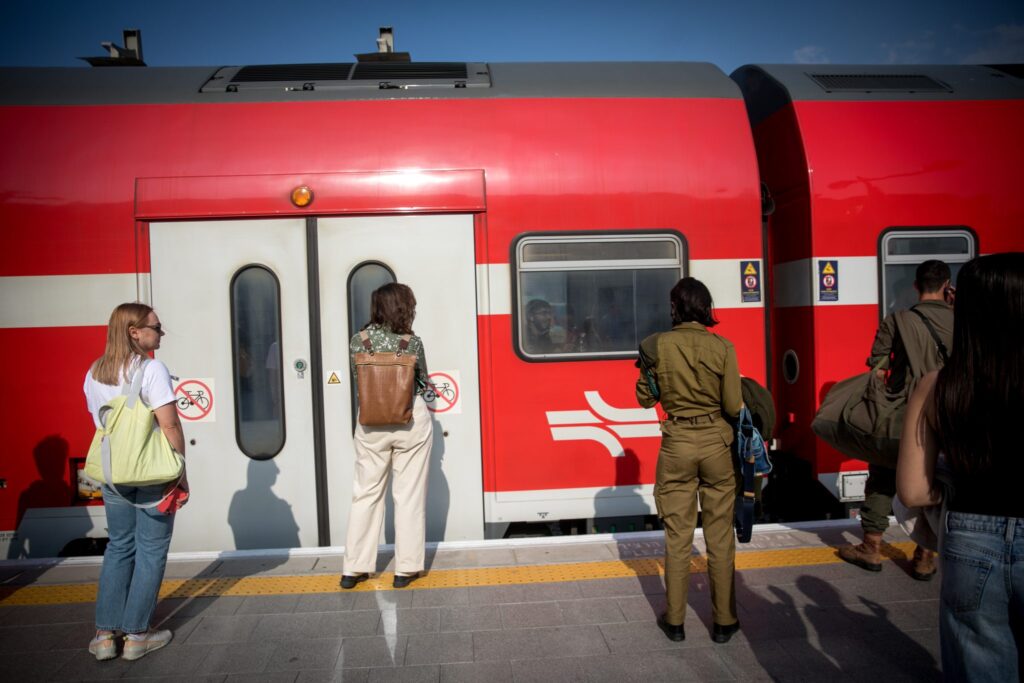
According to infrastructure companies, wildfires cause an average of 15 days of annual delays for train services and road closures. The new system will allow for early planning and more effective risk management for organizations such as Israel Railways, Netivei Israel, and the IDF.
Moshe Ben Zaken, Director General of the Ministry of Transport, emphasized the crucial role of the Meteorological Service, which operates under the ministry, in responding to extreme weather. “In a reality where forecasts are increasingly disrupted due to global warming,” he said, “early prediction is critical. We are investing every necessary resource to bring the most advanced technological tools to Israel.”
Regional Cooperation in Facing Climate Challenges
The system was developed as part of a collaboration between the meteorological services of Israel, Greece, and Cyprus – three countries facing similar climate conditions. This initiative places Israel at the center of a coordinated regional effort to confront the growing dangers of summer wildfires.