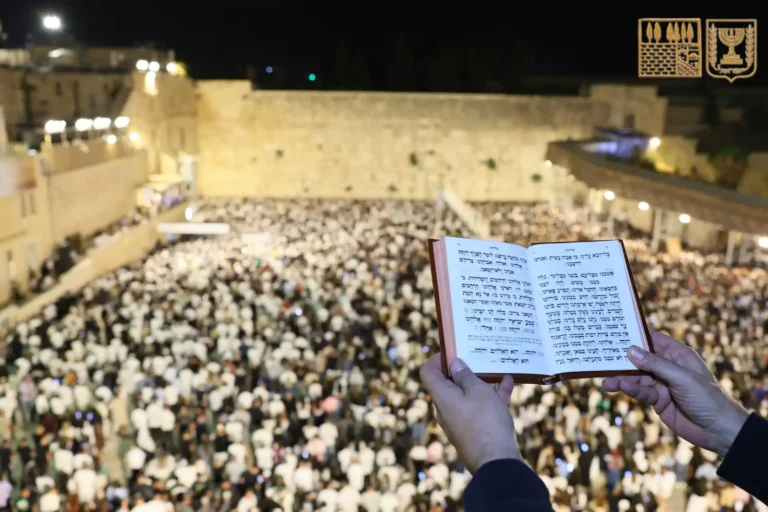

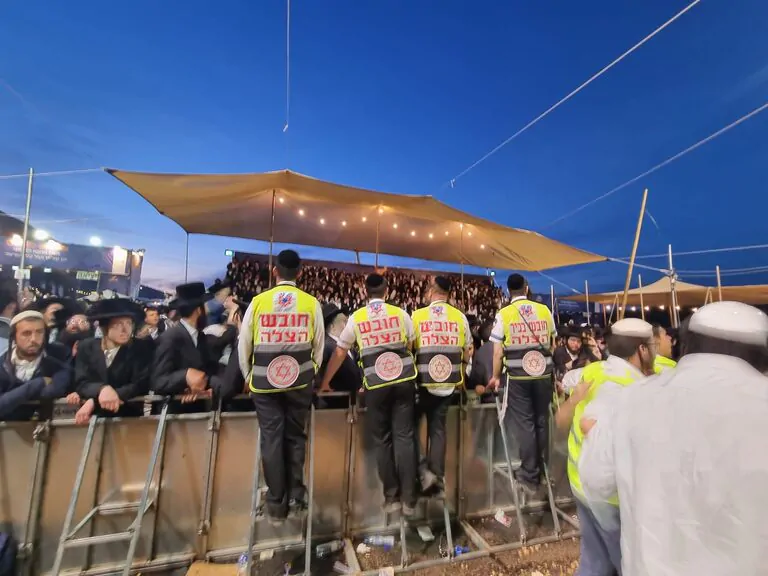
Ahead of this coming weekend’s Lag B’Omer celebrations, the Hatzalah organization is completing its preparations to ensure the safety of the tens of thousands expected to attend the Hilula [commemoration] of Rabbi Shimon Bar Yochai (Rashbi) in Meron, as well as events in major cities across Israel. As part of the operation, a large-scale emergency response system will be deployed, including hundreds of volunteers and Hatzalah vehicles stationed at key locations. An advanced mobile command center, established in coordination with Magen David Adom (MDA), will provide real-time updates and serve as the main control hub.
The Hilula
The great sage and mystic Rabbi Shimon Bar Yochai passed away on the 33 day of the counting of the Omer (hence Lag B’Omer), and according to tradition, on Lag BaOmer, many secrets of the Torah were revealed to him prior to his death.
According to tradition, the Rabbinic Sage Shimon Bar Yochai and his son Rabbi Eleazar are buried on Mt. Meron and this site has become a pilgrimage and prayer site, drawing visitors year round but reaching its peak on Lag BaOmer, when masses arrive all night long, cellebrating with bonfires and other traditional festivities.
A broad network of volunteers
Throughout the Hilula, hundreds of Hatzalah volunteers will be stationed on Mount Meron and other central locations. “The Hilula of Rashbi in Meron is one of the most complex events in the country, both logistically and medically,” said Hatzalah Chairman Rabbi Asher Shlomovitz. “It’s our responsibility to ensure that every participant can celebrate safely, with the best possible medical care available to anyone in need. We urge the public to cooperate with safety guidelines and follow instructions on site.”
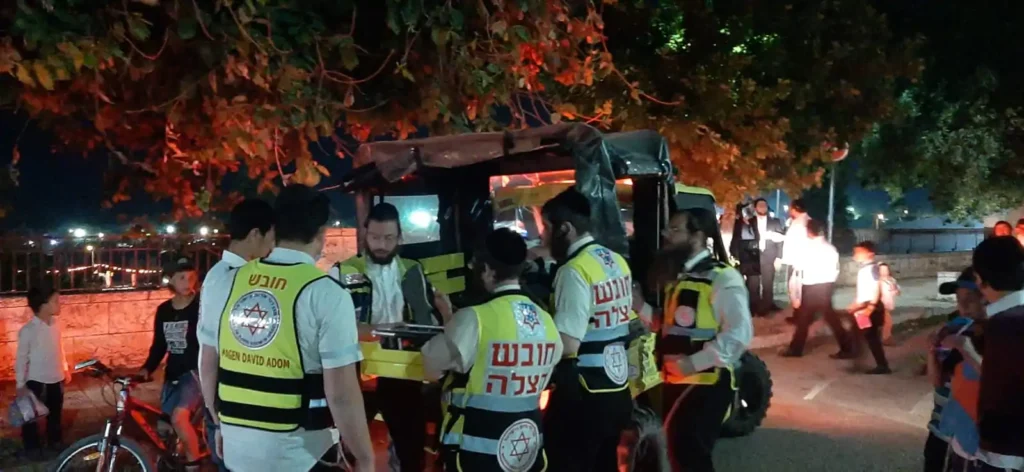
Cooperation with emergency services
The organization’s preparations include setting up a state-of-the-art command post equipped with advanced technology for monitoring and managing real-time events. The command center was established in cooperation with MDA and the Ministry for Jerusalem and Heritage, headed by Minister Rabbi Meir Porush and Hilula Coordinator Rabbi Yossi Deitsch.
The 2021 Meron Disaster
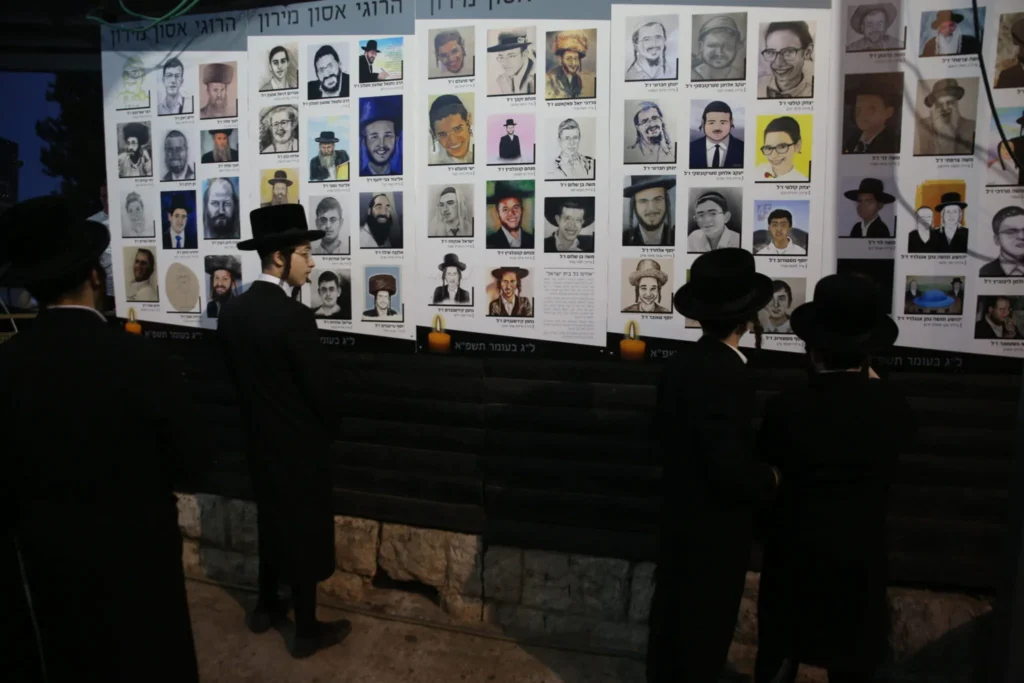
In 2021, during the Lag BaOmer festivities, forty-five men and children were killed, and over 150 people were injured in a tragic crowd crush.
Rabbi Yaakov Yosef, CEO of Hatzalah, described this year’s preparations as among the most comprehensive ever undertaken:
“We’ve applied the lessons of past events and invested heavily in training our teams, acquiring advanced equipment, and developing emergency plans tailored to the unique challenges of Meron. Our volunteers are ready for any scenario, and we’ll do everything possible to ensure the safety of all attendees.”
Improved coordination and faster response times
This year, special emphasis has been placed on improving coordination among emergency bodies, including MDA and additional security forces. “The preparation is the result of months of hard work,” said Rabbi Asher Shlomovitz. “We’re fortunate to have a professional team that spares no effort to ensure we’re as ready as possible.” Menachem Indig, Hatzalah’s operations coordinator, added that enhanced coordination among all emergency agencies is expected to significantly reduce response times on the ground.
A special memorial will be held at the start of the Lag B’Omer Hilula to honor the 45 victims of the Meron disaster. The ceremony will take place in the expanded Hilula complex in Meron, with the participation of bereaved families and leading rabbis. The main memorial will be held in a closed tent within the compound.
“Significant changes to the site and force deployment”
Given the similarity between this year’s Hilula format and that of the disaster year—which also took place on a Thursday night with a narrow 16-hour window—the “Kedoshei Meron 5781” organization has published a public letter urging attendees to strictly follow safety guidelines. “The holy mountain cannot accommodate everyone at once, and overcrowding can be life-threatening,” the letter warns. “We are pleading: follow the rules. Don’t push. Don’t create unnecessary crowding.”
In light of the lessons from the Meron disaster, major changes have been implemented this year at the site and in the deployment of emergency forces. The number of visitors allowed on the mountain at one time will be limited, and several access and evacuation routes have been arranged to ensure participants’ safety.