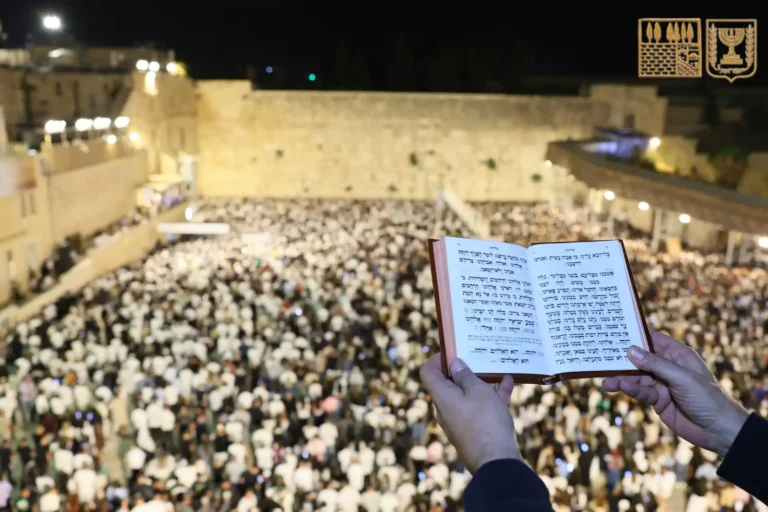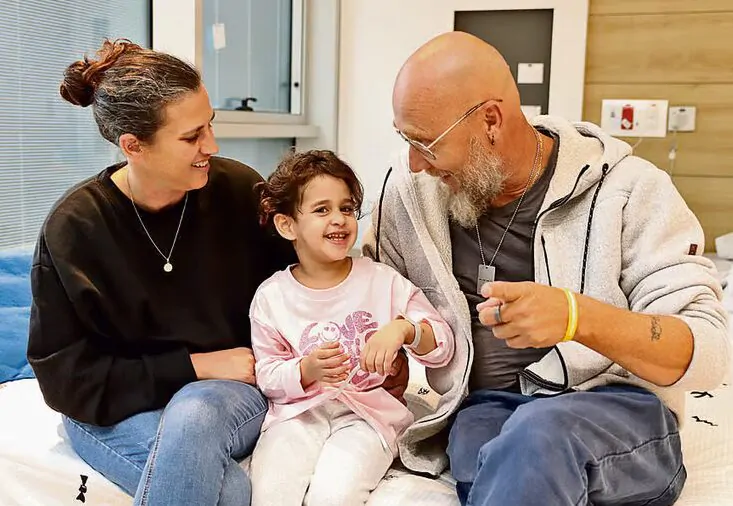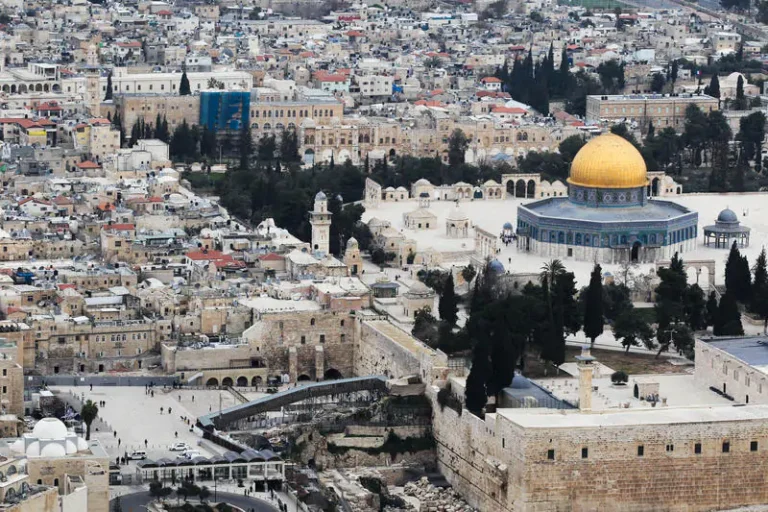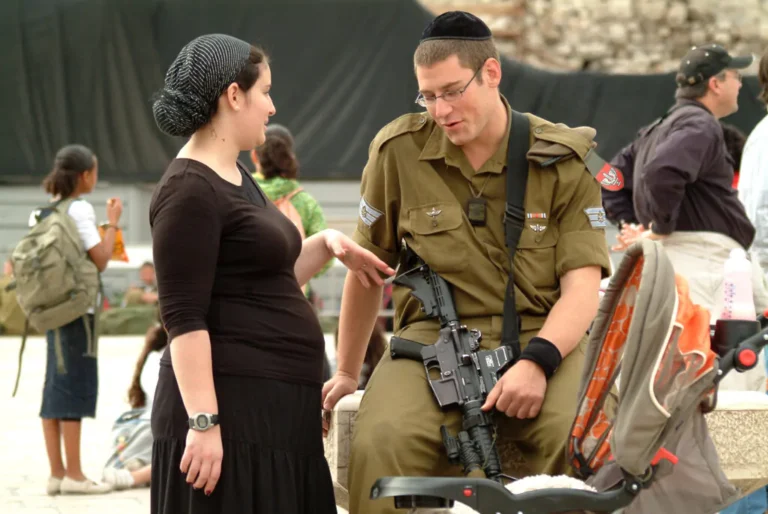


“Whoever makes Aliyah to Israel certainly fulfills the highest Zionist commandment,” said Moshe Sharett, Israel’s first foreign minister. His words hold even greater weight today. With a fierce war raging in the land and rising antisemitic sentiments in places once considered safe, the meaning of Jewish immigration to Israel as the fulfillment of the Zionist dream grows stronger and clearer.
According to the Jewish Agency, “Since October 7th, more than 15,500 immigrants from dozens of countries around the world have made Aliyah to Israel. Despite the war, there has been growing interest in immigration from countries like the United States and France, reflected in a surge in the opening of immigration files, participation in Aliyah fairs, and more.”
Data analysis reveals:
– From France, there has been a 182% increase in the opening of Aliyah files from October 7th to May 12th, compared to the same period last year (with 2,252 files opened compared to about 800 last year).
– From the U.S., there has been a 64% increase in Aliyah file openings during the war (with 4,325 files opened compared to 2,633 during the same period last year).
– From Canada, there has been a 100% increase with 577 files opened, and from the UK, a 32% increase with 445 files opened.
Thousands of Jews participated in Aliyah fairs organized by the Jewish Agency worldwide, in cooperation with the Ministry of Aliyah and Integration and the Ofek Israeli organization, including young families with children, doctors, and more.
When asked what motivates people to make Aliyah, it becomes clear that a strong connection to Israel is a central driving force behind immigration.

We spoke about Aliyah, especially during wartime, with Ze’ev Gershinsky, Deputy Director of Nefesh B’Nefesh, which promotes immigration from North America.
Before we dive into the details, could you tell us about your organization? What does it do, and what is its goal?
“Nefesh B’Nefesh was founded in 2002 by Rabbi Yehoshua Fass and businessman Tony Gelbart, with the goal of promoting Aliyah to Israel from North America, in partnership with the Ministry of Aliyah and Integration, the Jewish Agency, KKL, and JNF USA. Since its establishment, the organization has helped bring over 80,000 immigrants to Israel, contributing both economically and culturally to the country’s welfare,” Gershinsky says.
“The organization works to remove professional, logistical, and financial obstacles, both during the Aliyah process and throughout the immigrants’ time in Israel. At the same time, it represents the unique interests of this population with the authorities, improving bureaucratic hurdles through policy changes and legislative initiatives. Over the years, the organization has expanded its activities to help lone soldiers and young women doing national service from all over the world. Recently, the Israeli government selected Nefesh B’Nefesh to develop a national program to bring Jewish doctors from around the world to Israel, based on the annual MedEx event format the organization initiated, with the goal of bringing 2,000 Jewish doctors to Israel over the next five years.”
When we asked Gershinsky about the effects of the war on Aliyah, he shared fascinating data:
“According to our records,” Gershinsky says, “since October 7th, around 1,500 new immigrants from the U.S. and Canada have made Aliyah. Another trend we are seeing is the significant increase in Aliyah file openings since the war began. So far, we’ve received about 9,700 requests to open Aliyah files, representing a 76% increase compared to the same period last year.”
“Even more interesting is that, despite reports worldwide, only 5% of the immigrants who opened Aliyah files indicated that antisemitism was the main reason for their decision. Around 45% say that ‘Zionism’ is the primary motivator for choosing to make Aliyah—especially now.”
Gershinsky continued to describe the emotions and processes behind the data:
“When the war broke out, the Jewish world was in shock and mourning, no less than us. Something shifted within them, something very deep. For many, making Aliyah had been a long-standing dream, and at some point, they choose to make it happen. The war changed everything and significantly accelerated these processes. Immigrants are arriving here out of a sense of solidarity and a desire to be part of our efforts in this struggle. Of course, there are concerns about moving to a country at war, but these fears pale in comparison to the sense of mission and belonging to be here, in Israel, and to actively help rather than being on the sidelines.”
“The State of Israel was founded and exists thanks to immigration, driven by the basic desire of every Jew to live in the Land of Israel, a desire that intensified with the establishment of the state. Seventy-six years later, and we are still witnessing that same passion and longing to live here,” Gershinsky concludes.

“These are Jews who have a very comfortable life in the U.S. The fact that they choose to leave it all behind and come here, with all the challenges it involves—language, culture, economy, employment, bureaucracy, and more—is something many native Israelis find hard to understand. The immigrants integrate into every possible field in the country, from medicine, science, and education to high-tech and beyond. Their contribution to the Israeli economy is enormous. Now, add a war to this, and you can’t ignore the fact that when you ask these modern-day heroes, ‘Why now?’ they say, ‘It’s always been my dream, and nothing, not even a war, will stop me.’ At this point, the tears come naturally, and it perfectly symbolizes the strength of the Jewish people.”