


Deemed a ‘creative solution’ to the protest flotilla issue, Defense Minister Israel Katz instructed the IDF today (Thursday) to swap the pro-Hamas activists arriving on flotillas off Gaza’s coast with the Gaza residents who wish to leave.
“If They Come to Protest on Gaza’s Shores — We’ll Send Them Into Gaza”
During a situation assessment meeting attended by the head of the IDF Operations Directorate, the head of Military Intelligence, the Coordinator of Government Activities in the Territories (COGAT), and other senior security officials, reports suggested that protest flotillas are expected to reach Gaza’s coast – prompting the IDF to request operational directions from the defense minister on how to deal with the matter.
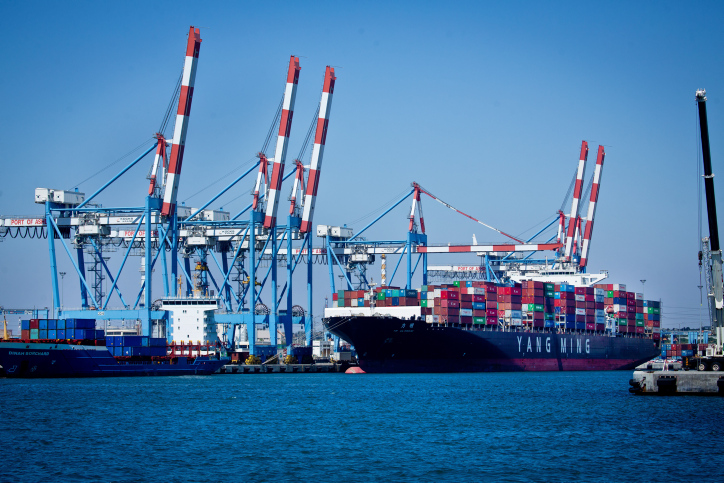
In response, Katz instructed military leadership to enact a fitting solution: Allow the flotillas to reach Gaza, drop the protesters off inside Gaza, then seize the boats and transfer them to the Ashdod Port as emigration vehicles for the Gaza civilians seeking to leave voluntarily.
“Those who come to protest on Gaza’s shores — we’ll send them into Gaza, and we will use the boats to help evacuate Gaza residents who want to leave willingly,” Katz stated.
Preparations for the Emigration of Gaza Residents
Earlier today, reports indicated that a mechanism allowing 2,500 Gazans to leave the Strip daily was established in recent weeks under the directive of Defense Minister Israel Katz. Possible emigration routes are by sea from Ashdod Port, by air via Ramon Airport, and by land through the Rafah Crossing.
While some of these routes are already being used to transfer injured Gazans to other countries for medical treatment, Israel is working to facilitate the departure of as many Gaza residents as possible.
As part of this policy, the program also allows the injured and sick individuals’ family members to leave Gaza along with them, in order to relocate abroad. Most departing Gazans have been accepted into Arab countries, while some have also emigrated to Romania and Italy and plan to to settle there permanently.
Katz’s directive presents a strategic shift in handling protest flotillas while advancing Israel’s policy of facilitating Gaza emigration. If the implementation of his plan takes place, the response from both activists and Gaza residents will shape the outcome of this unconventional approach – and will no doubt be interesting to watch unfold.