
“For Their Sake – No Return to October 6”
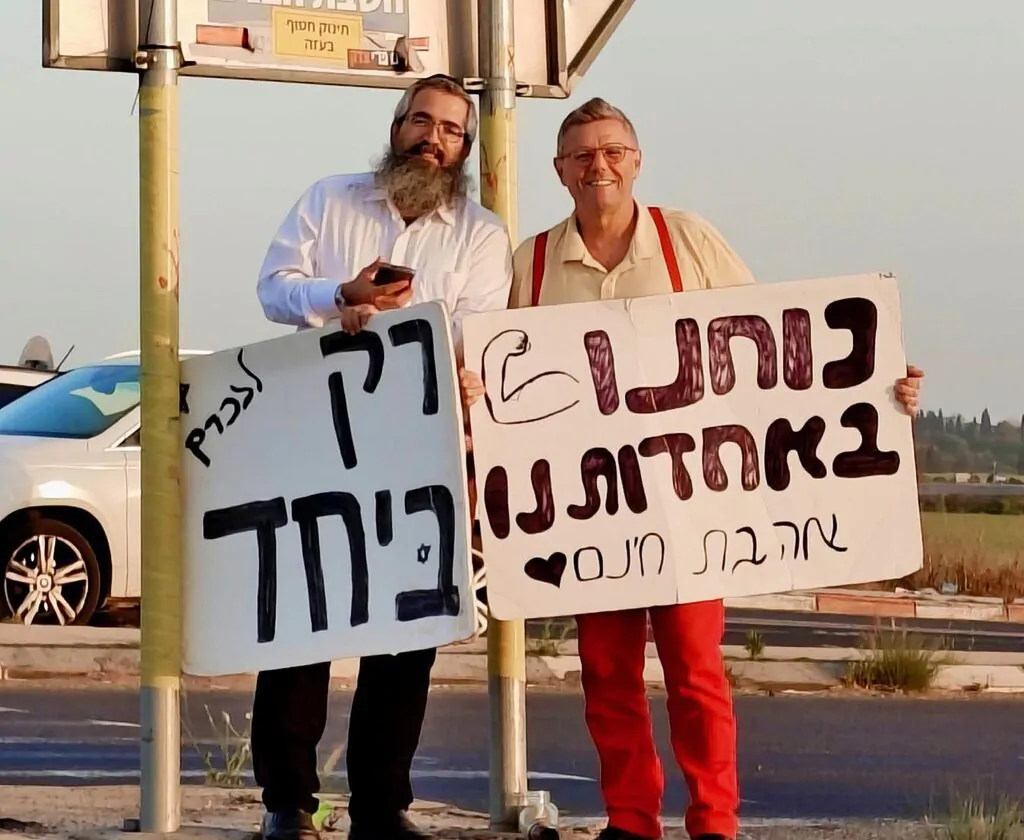
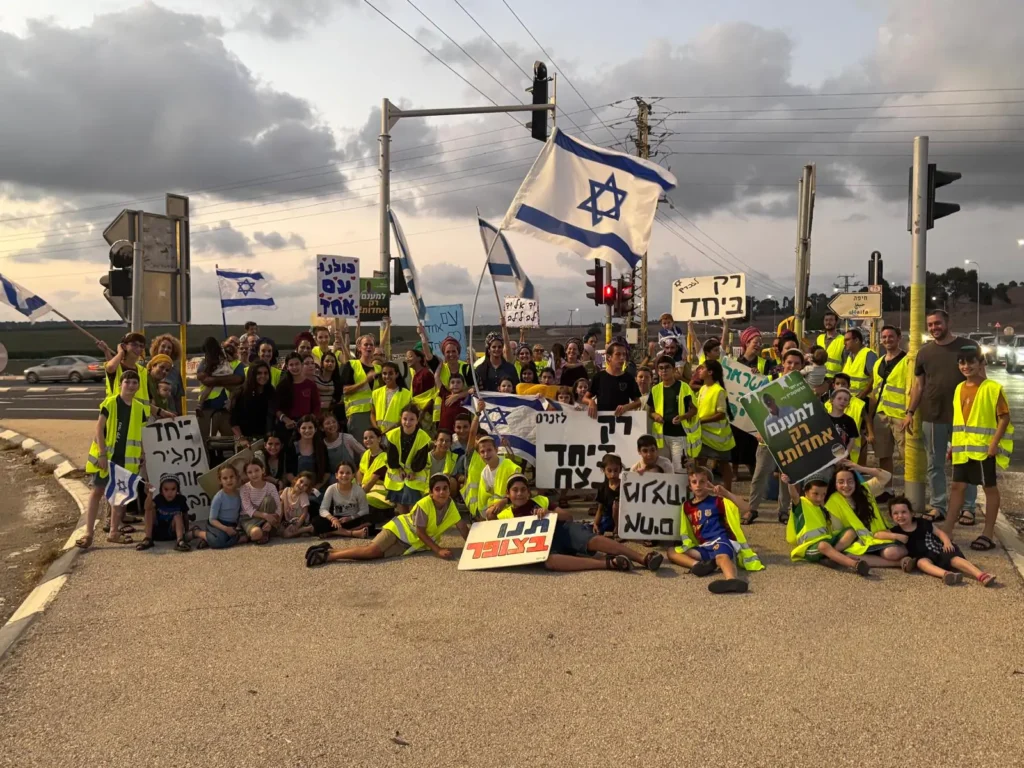
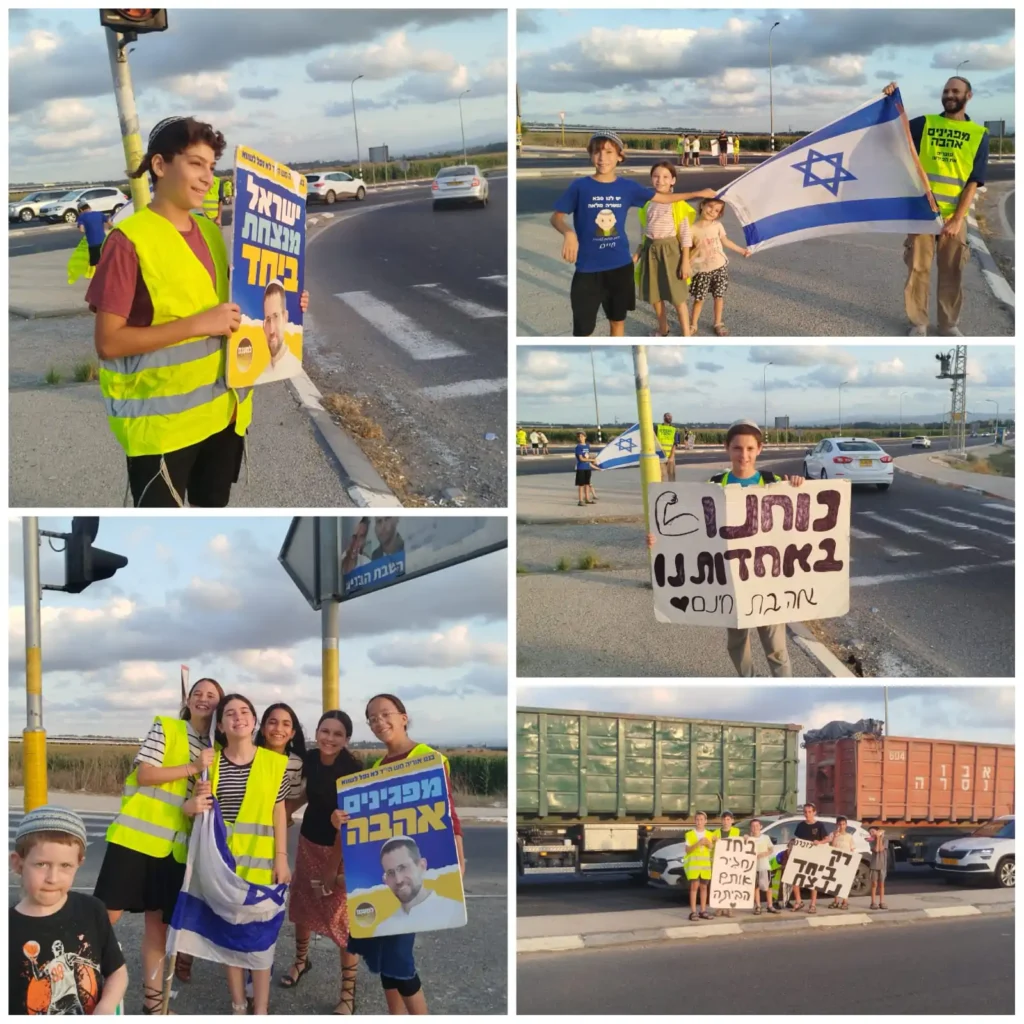
Renana Penini has been a member of the organization “For Their Sake – No Return to October 6” for a year and two months. As part of the organization’s activities, they go out every Saturday night to the nearest intersection by their home, the Nahalal junction, and demonstrate—for unity.
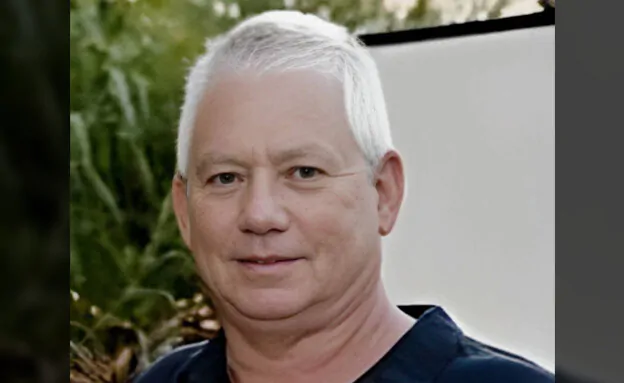
The organization was founded by Hagai Luber, whose son Yonatan was killed in Gaza. In his memory, he decided to establish an organization with the goal of encouraging unity in the public sphere. “The public space is very neglected. Billboard messages divide us, you see it every time you drive on Highway 6, and his statement was: I want to change the public space. That’s why he specifically chose demonstrations,” Renana explained in an interview with RegaNEWS.
A Hundred People in a Unity Demonstration
Despite a decline in the number of participants at the intersection, Renana remains optimistic about the broader trend. She draws encouraging and interesting conclusions each week from going out to the junction—and sometimes it shows in the turnout.
“On the eve of Tisha B’Av last year, we ran a project called ‘100 in 100’—100 people at 100 intersections. We recruited coordinators and teams, and it turned into an amazing event,” she said.
This year, the response was still strong: “Last Thursday we tried again to organize a bigger demonstration, to reawaken the intersections that had gone ‘dormant,’ and at our location, there were over 100 people, even though there are usually about ten.”
She added that similar turnouts happened this week at about 25 other junctions around the country.
“The Intersection Is a Carnival. The Most Joyful Place in the World”
The lessons from weekly unity demonstrations at the junction are heartening. “I really feel that over the past year and a half, despite what people say about how divided and polarized the public is, the word ‘unity’ has become much more mainstream. Much more talked about and accepted. People say it started after October 7 and then everyone forgot—but I don’t think that’s true.”
“I feel it at the intersection. In the beginning, we would get a lot of negative reactions. People would ask, ‘What are you doing for unity besides standing here and shouting?’ We used to be afraid of sour faces. Today we get honks and kisses. The intersection is a carnival. It’s the most joyful place in the world. It recharges you. Everyone talks about division, and there, you just don’t feel it. The amount of positive feedback is insane.”
Renana notes that Nahalal junction offers special opportunities. It’s located near Migdal HaEmek, several kibbutzim, and the town of Zarzir. She says they encountered many different sectors and shades of Israeli society. “At first we felt a lot of criticism, but that has changed. Even though fewer people come, the moment we get out of the car we receive a lot of encouragement.”
The Impact Is Spreading
Renana shares that the connections formed at the intersection have led to meaningful collaborations between very different groups. “A really sweet group has formed—a bunch of people passionate about the cause. Last year, during Shavuot, we held a joint study session between Kibbutz Yifat and Migdal HaEmek. It was an incredible session, about 50 to 60 people came, half from Yifat and half from Migdal HaEmek,” and it all happened because of relationships formed at the junction. “Amazing connections are being made.”
She says the effects are evident even among those who don’t physically attend: “There’s a WhatsApp group for the junction with over 100 people—most of them quiet—but the fact they’re in it shows they’re engaged with the idea. They respond and like posts. As coordinators we can get frustrated with people who don’t show up, but we have a large audience committed to the cause. The ripple effects are huge.”
When asked what drives her to stay so involved, she answered: “It really gives me life. It’s something the street is thirsty for. And in general, I really believe in the idea of ‘instead of complaining, do something.’ I believe the solution will come only through dialogue and connection. The simplest way to deliver that message is just to go out and do it.”
Unity Around What?
“I feel our message isn’t about what we’re uniting around, but about how. I’ve participated in gatherings where we talked about a shared vision and purpose. But when I stand at the intersection, I’m not getting into that. I want to say: Every opinion has a place—as long as it’s expressed respectfully. That’s the message I bring.”
Renana explains that for deeper exploration there are other groups and projects, which she’s also involved in. But here, the goal is different. “First and foremost, we say the most basic thing: respect, dialogue, and love are the foundation of any meeting. We may not agree on everything. But the message is about the willingness to achieve unity, and to listen and be heard.”