
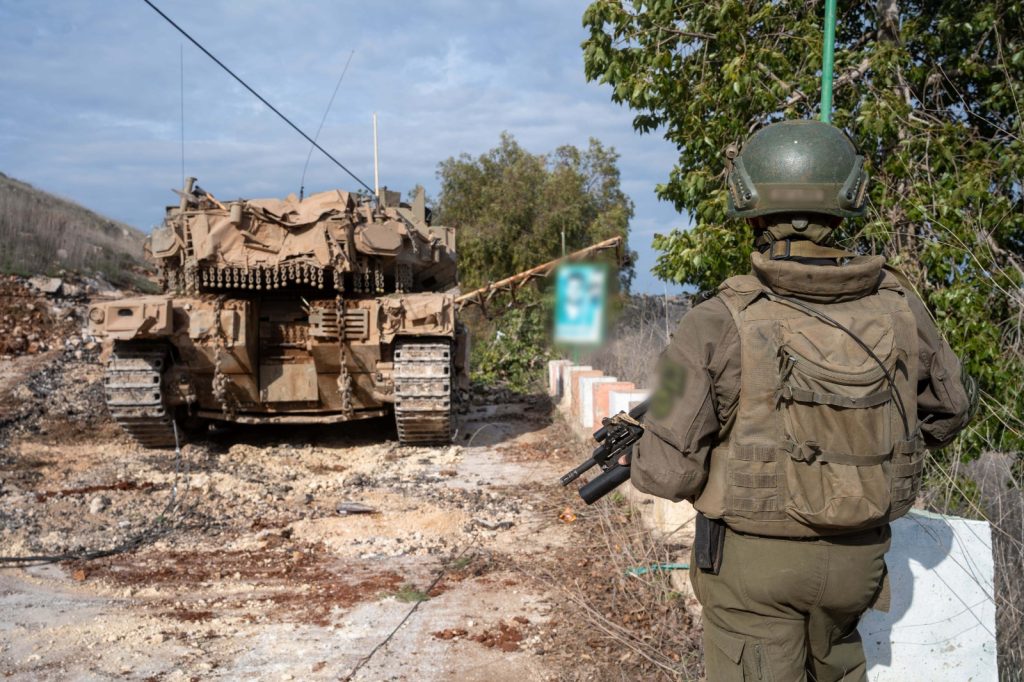
According to reports in the Lebanese media, U.S. President Donald Trump has issued a new ultimatum to the Lebanese government, demanding the complete disarmament of militias within a month and the full deployment of the Lebanese Armed Forces (LAF) throughout the country. Among the groups targeted are Hezbollah and various Palestinian factions which operate in refugee camps across Lebanon. Should the Lebanese government fail to comply, Trump has signaled his intent to push for the deployment of international forces to Lebanon to enforce UN Security Council Resolutions 1559 and 1701.

If this threat materializes, it would not be the first time international forces have been deployed to Lebanon following an Israeli military campaign. Similar moves occurred after both previous Lebanon wars—first in 1982, when a primarily Western force was sent, and again in 2006, when a broader international contingent was deployed.
Resolutions That Have Yet to be Enforced
UN Security Council Resolution 1559 was passed in 2004 with the goals of pressuring Syria to withdraw from Lebanon and dismantling the militias in the country, in order to restore authority over security to the Lebanese government and enhance regional stability. Syria did withdraw in 2005 during the “Cedar Revolution,” but Hezbollah and other militant and terrorist groups refused to disarm.
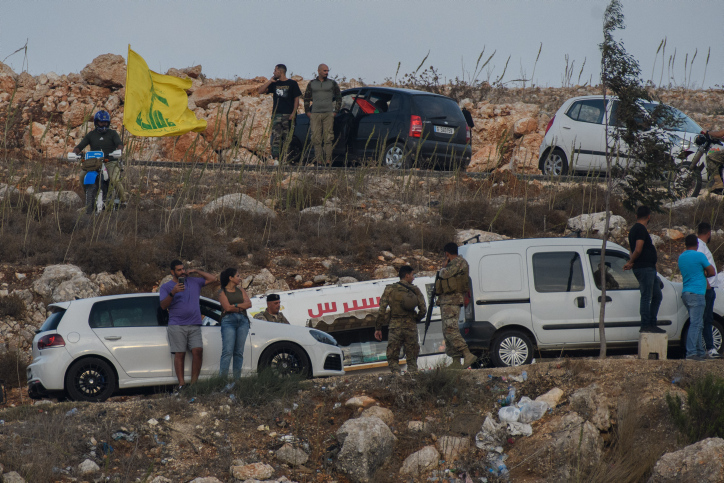
The consequences of this failure became evident only a year later, when in July 2006, Hezbollah dragged Lebanon into a devastating war with Israel. In response, the UN General Assembly passed another resolution, 1701, which reinforced the mandate of 1559 and authorized the deployment of UN peacekeeping forces, specifically, the United Nations Interim Force in Lebanon (UNIFIL) to southern Lebanon. However, in the years that followed, it became clear that Hezbollah was stronger than the Lebanese government, which lacked the capability to enforce the resolutions. Hezbollah continued to grow in power, and UNIFIL failed to prevent its resurgence in southern Lebanon. This directly contributed to the latest round of conflict on Israel’s northern border.
The IDF’s Return to Israel
As part of the ceasefire agreement, the IDF is withdrawing from southern Lebanon, with the Lebanese Army taking control of areas near the Israeli border to prevent Hezbollah from reestablishing its presence. However, Trump’s ultimatum underscores a widely acknowledged reality—without Hezbollah’s disarmament, the war is far from over.
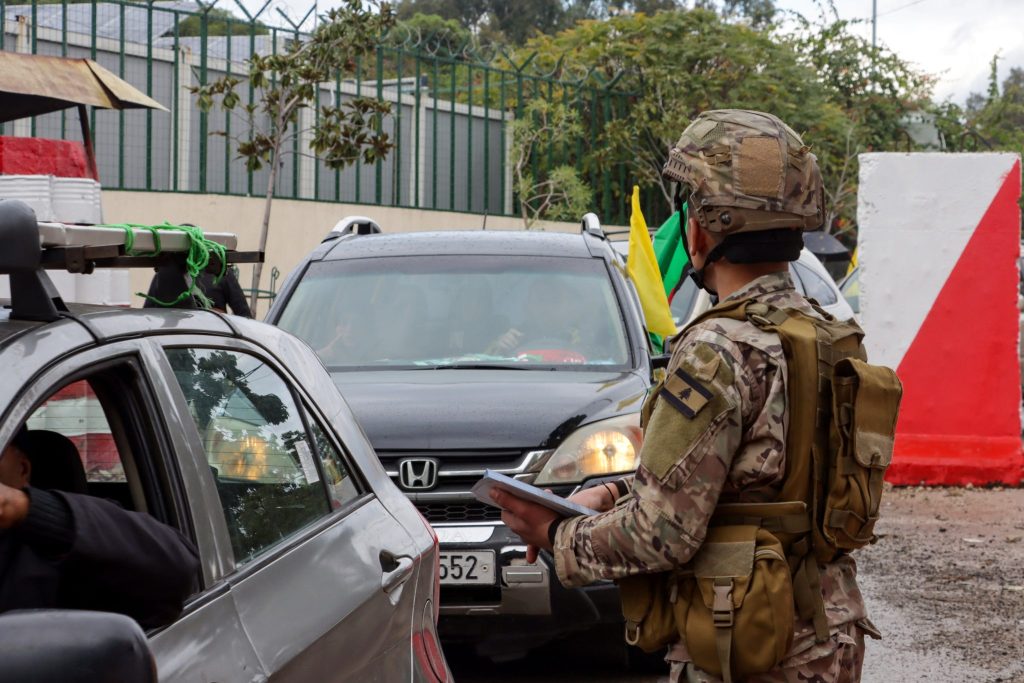
Today (Tuesday), IDF forces are completing their withdrawal from the Shiite villages along the border, returning to Israeli territory. The Lebanese Armed Forces officially announced: “Our forces have been deployed in 11 villages in the south of the country following the withdrawal of the enemy Israeli army. Our deployment is coordinated with UNIFIL forces and the liaison mechanism. We have begun engineering operations, opening roads, clearing unexploded ordnance, and handling suspicious objects.”
Holding Key Strategic Positions
Despite the withdrawal, the IDF is maintaining a presence at five key strategic positions in southern Lebanon near the Israeli border, essential for the defense of Israeli communities, such as Jabal Balat situated opposite the community of Zar’it, near the site of the 2006 Hezbollah kidnapping that sparked the Second Lebanon War.
Defense Minister Israel Katz confirmed this morning: “Starting today, the IDF will maintain a buffer zone in Lebanon with five strategically positioned outposts along the border to ensure the protection of northern Israeli communities.”
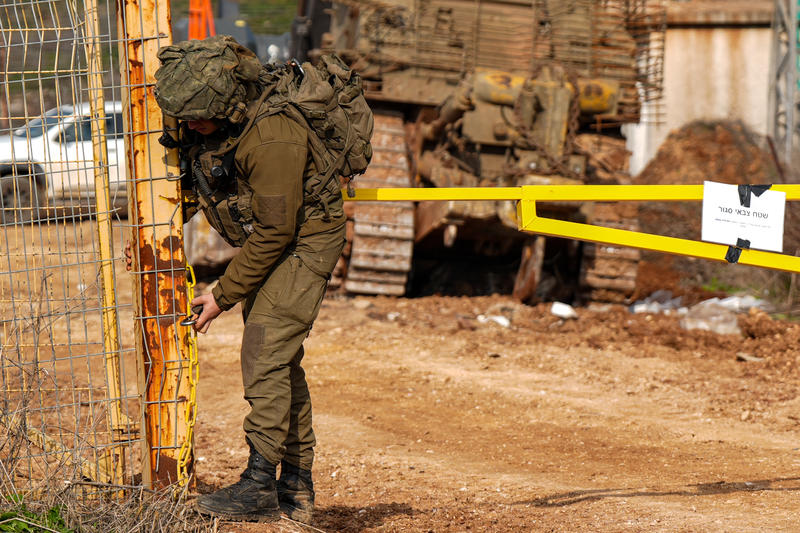
At these locations, the IDF is working to minimize friction with the local population while maintaining strategic control to “preserve gains and prevent Hezbollah from returning south of the Litani River.” According to reporter Doron Kadosh, Lebanese forces have already begun testing the IDF’s boundaries. A suspicious individual approached the border fence near Mis al-Jabal, close to Manara. The IDF fired warning shots to deter him, and Lebanese Army forces also arrived at the scene. Reports from Lebanon indicate that two people were injured in the incident.