
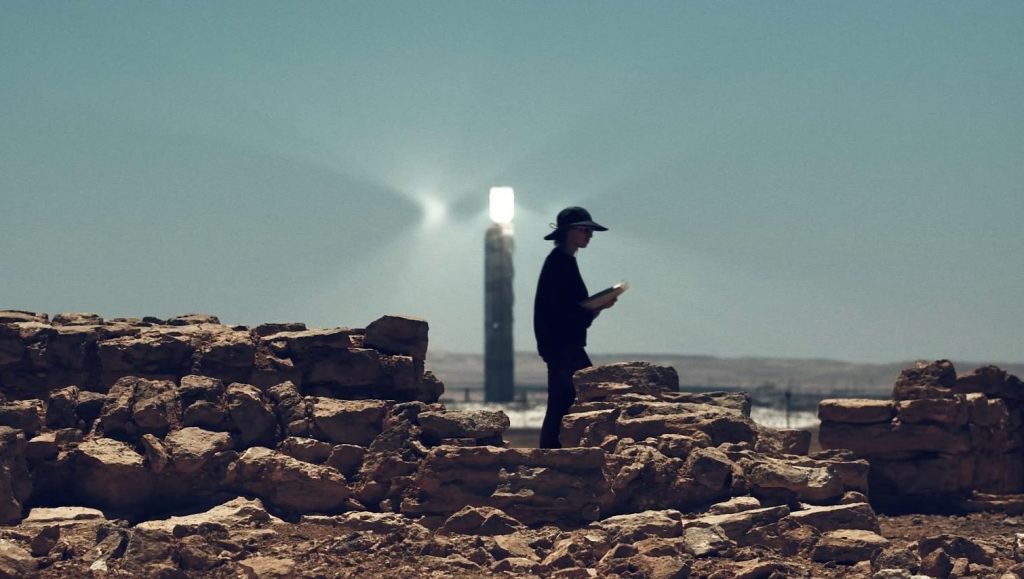
In the arid expanse of the Negev Mountains, near the Tlalim Junction, the remains of a mystery that has been buried for approximately 2,500 years have been uncovered, the Israel Antiquities Authority (IAA) announced today.
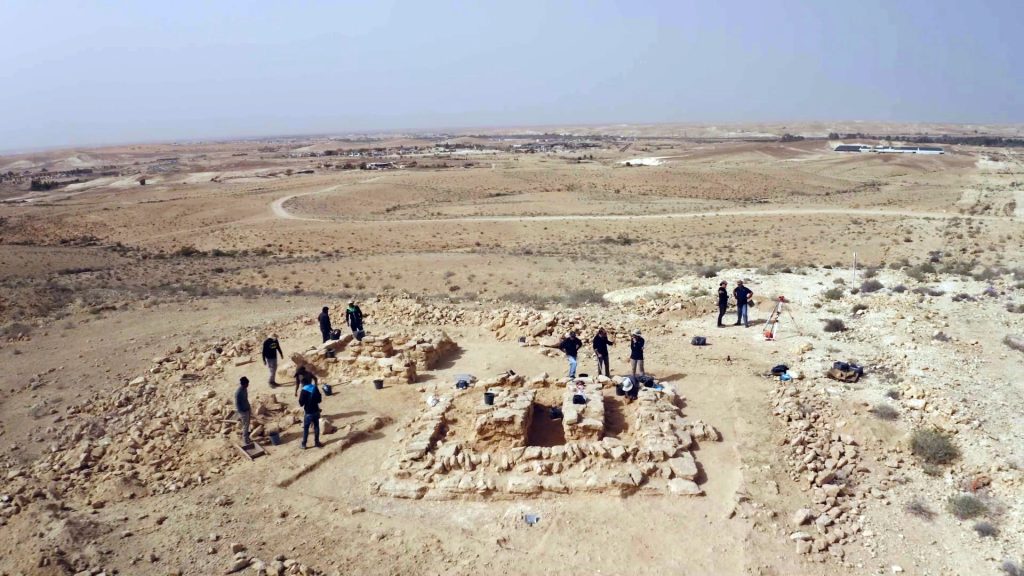
The IAA researchers, who were conducting routine excavations, were not expecting to uncover a large burial site with dozens of graves containing extraordinary artifacts and offering a fascinating glimpse into the ancient story of traders.
Watch the Discovery:
עוד באותו הנושא
- Selichot Season Opens with Spiritual Power and Unifying Prayer at the Western Wall
- On the 1st of Elul 1897, a National Return to the Land Joined the Spiritual Return to God
- Israel’s Archaeological Breakthroughs Reveal a Fragile Heritage and Unexpected Discoveries
- A Wedding, a Birth and a Memorial: Bereaved Families Transform Grief into Life
Arrowheads from 2,500 Years Ago
“We found rare artifacts here that we haven’t seen elsewhere in the country,” said Dr. Yaakov Vered, an expert in flint tools. The arrowheads found at the site were identical to tools familiar from the southern Arabian Peninsula – Yemen and Oman.
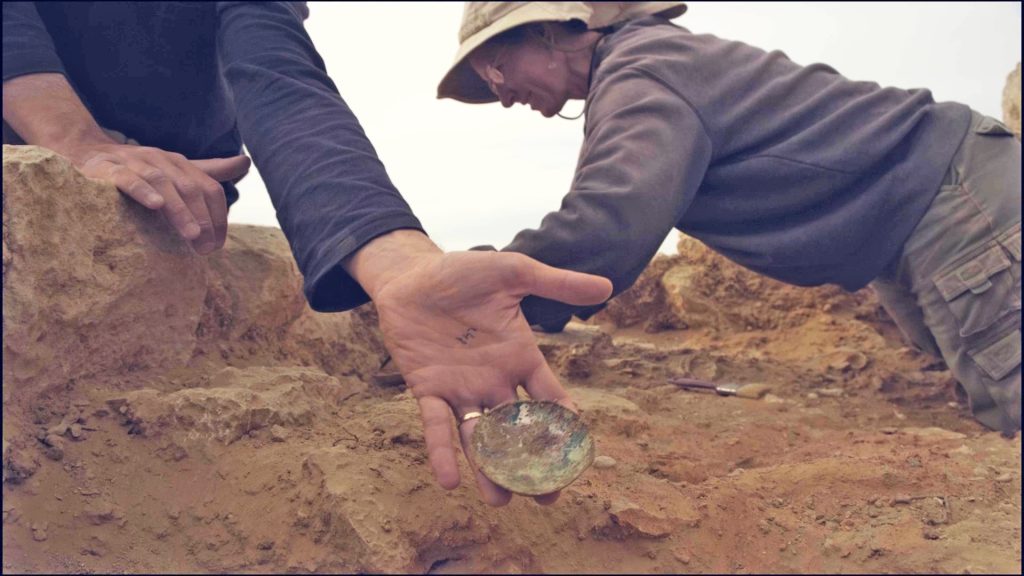
Alongside the tools, remnants of ochre, a colorful substance used in ancient cultures for rituals and marking blood, were discovered. These findings led researchers to conclude that this was a site of special significance, used by caravans of traders who passed through the Negev deserts on their long journeys.
Trader Caravans and Cultural Encounters
According to the researchers, caravans arriving from southern Arabia, Phoenicia, and Egypt carried valuable incense such as myrrh and frankincense.
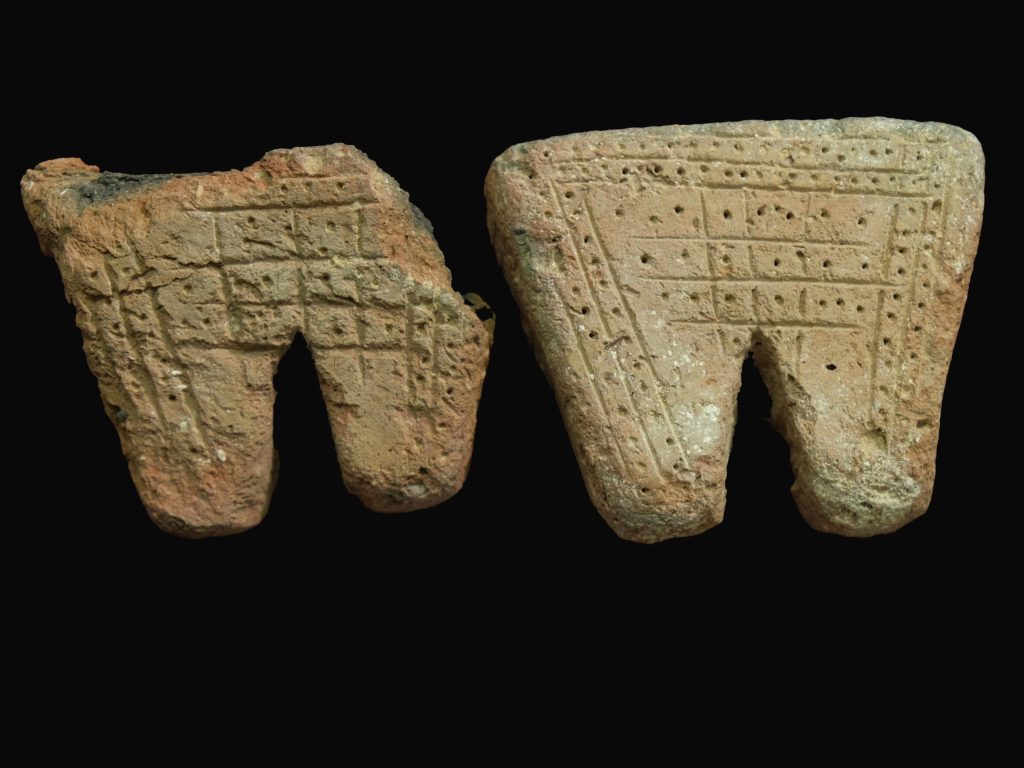
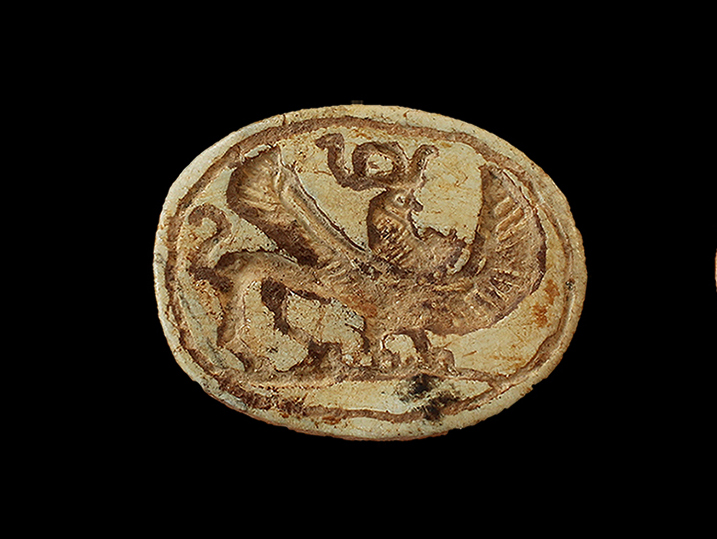
Additional findings indicate that the site was not only a trading post but also served as a cultic center. For instance, an amulet was discovered of the Egyptian god Bes, who was considered a protector of women and children.
It is worth noting that inscriptions found in Yemen describe the traders of that period also trafficking in women from Gaza, Egypt, and other regions. “It is possible that some of the individuals buried at the site were women,” estimate Dr. Martin David Pasternak and Dr. Tali Erickson-Gini, the excavation directors. “This is an exceptional discovery that illustrates the broad cultural connections of the region,” they emphasized.
Global Connections in the Desert
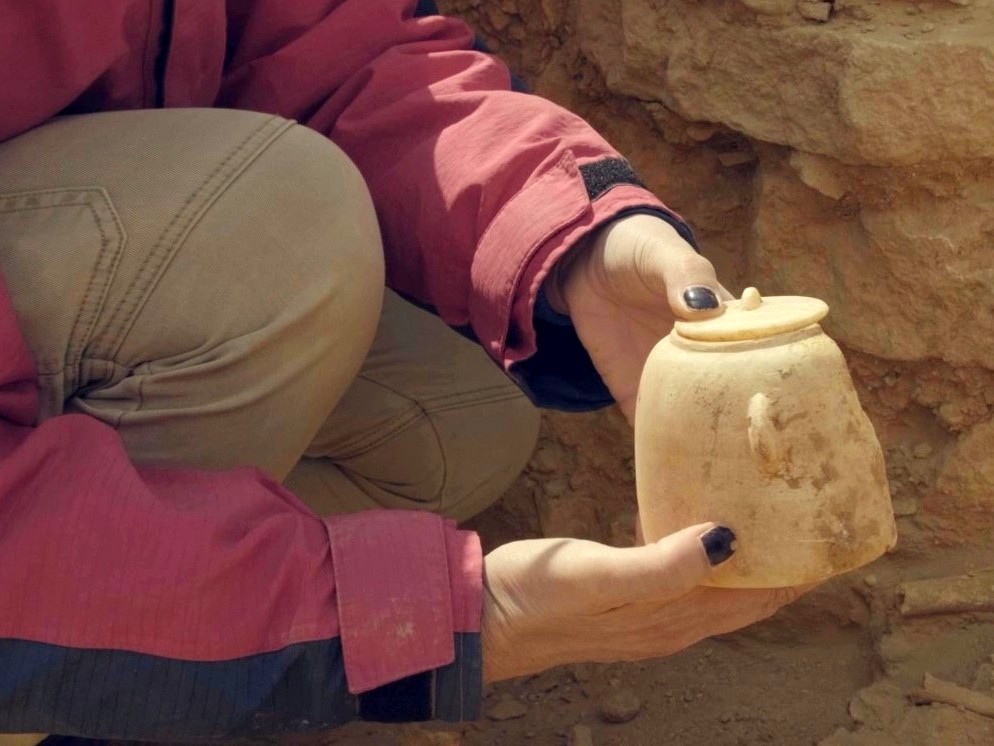
In the burial structures, valuable jewelry, colorful beads, rare shells, and incense containers used to store perfumes were found. The researchers note that during this period, the Negev not only served as a transit route but was also a vibrant meeting point for traders and various cultures.
However, it remains unclear whether the site was used as a burial ground over generations or if it was a mass grave following a dramatic event, such as an attack on one of the caravans.

Turning a Mystery into History
According to Eli Escusido, Director-General of the IAA, “This exceptional find allows us to touch on important moments in the history of people who walked here thousands of years ago. The Negev was a gateway to global trade and cultural encounters, and this site gives us a glimpse into that rich world.”
For those interested in delving deeper into this mystery, the discovery will be showcased to the public as part of a lecture series titled “Archaeological Mysteries,” which will be held on February 10 at the National Archaeological Campus in Jerusalem.