

Creating new human cells with artificial intelligence: Somite.ai, founded in October 2023, is taking on the challenge of regenerating cells in the human body.
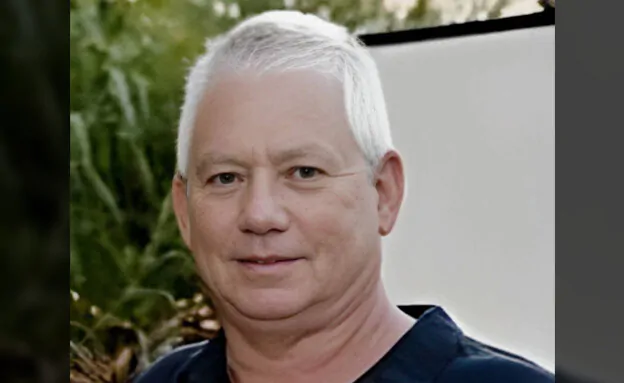
The startup focuses on developing technology that enables the production of new cells to replace those that have deteriorated or been damaged. Founded by Dr. Micha Breakstone, Somite.ai is working on a system designed to generate human cells efficiently and affordably.

Each step in the process is tagged with a barcode, allowing the full history of signals that a cell has encountered to be traced. “This technology makes it possible, for the first time, to train deep foundational models to discover the exact recipe that causes a cell to transition from a stem cell to a mature cell,” explains Breakstone.
Somite.ai’s innovative platform is based on semi-permeable capsules that let cells flow freely among various signals.
Zuckerberg Joins the Revolution
Somite.ai’s breakthrough hasn’t gone unnoticed by top investors in Silicon Valley. Leading the company’s funding round is Khosla Ventures, the firm that first recognized the potential of OpenAI.
Joining them are SciFi VC, Fusion Fund, and Mark Zuckerberg’s Chan Zuckerberg Initiative.
According to Breakstone, the investment came about following a small, exclusive conference, where one of the fund’s partners identified the venture’s extraordinary potential.

Blue-and-White Technology
Somite.ai plans to establish a research and development center in Israel. The company has already launched preclinical trials, in which it succeeded in regenerating thigh muscle tissue within just three months.
The startup is currently focusing on six initial cell types, including those for treating diabetes, muscle diseases, and blood disorders. “We’re on our way to clinical trials,” says Breakstone, adding that the company’s cells could eventually serve as treatments or diagnostic tools.