
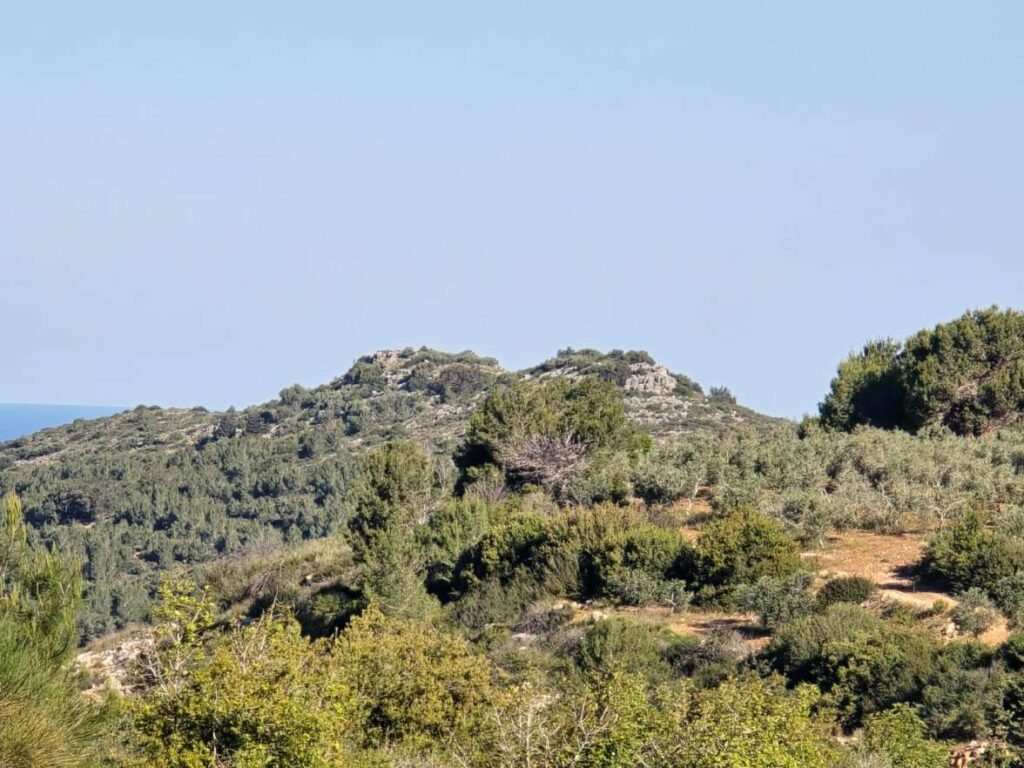
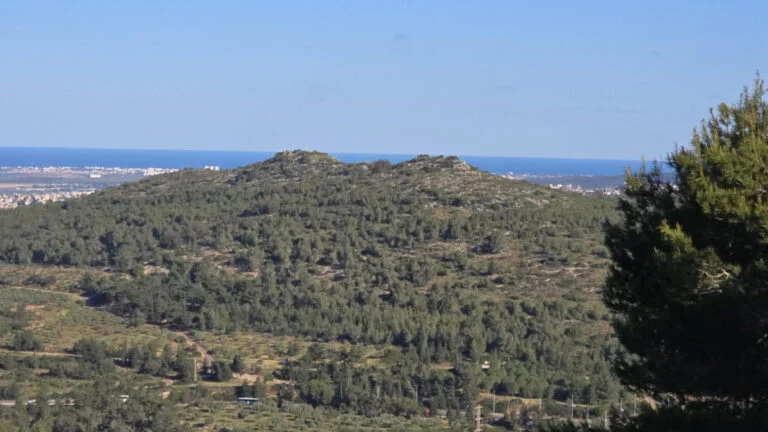
Two new nature reserves in northern Israel have been added to the country’s conservation map—and not just for their scenic views. The Israel Nature and Parks Authority emphasizes that this is a strategic step aimed at connecting not just trails, but entire ecosystems. The Mount Gamal and Nahal Gamal reserves will form a vital ecological corridor between nature reserves in the Lower and Upper Galilee, allowing animals to move safely between protected areas.
Mount Gamal: Rare Woodland and a Unique Scorpion
Mount Gamal Reserve features rich Mediterranean woodland, including common oak, Judas tree, and Cyprus pine, along with the striking blossoms of the elegant iris (Iris elegantissima) and medium-stem toadflax (Linaria media)—both extremely rare in Israel’s wild landscape.
Among the wildlife observed in the area are foxes, wild boars, rock hyraxes, and the endangered Carmel stripe-tailed scorpion—a rare species native to northern Israel.
Nahal Gamal: Untamed Wilderness and a Hidden Stream
Nahal Gamal is a tributary of the Hilazon Stream, which drains the Beit HaKerem Valley in the Galilee. The area preserves native spiny hawthorn woodland alongside rare plant species such as the soft-haired broomrape (Orobanche pubescens) and the handsome crane’s-bill (Geranium handsomeanum).
This habitat plays a critical role for raptors like the common buzzard (Buteo buteo), and for colorful birds such as the European roller (Coracias garrulus). The area is also frequented by rock hyraxes, jirds, and striped hyenas.
What Is an Ecological Corridor—and Why Is It Important?
According to the Israel Nature and Parks Authority, an “ecological corridor” is a natural pathway that links nature reserves, allowing animals to move between them in search of food, shelter, or mates—without being blocked by built-up or agricultural land.
“In the past, people believed that declaring a reserve was enough,” the Authority said. “Today we understand that natural systems need large, continuous habitats—and these kinds of connections are critical for preserving nature over the long term.”