

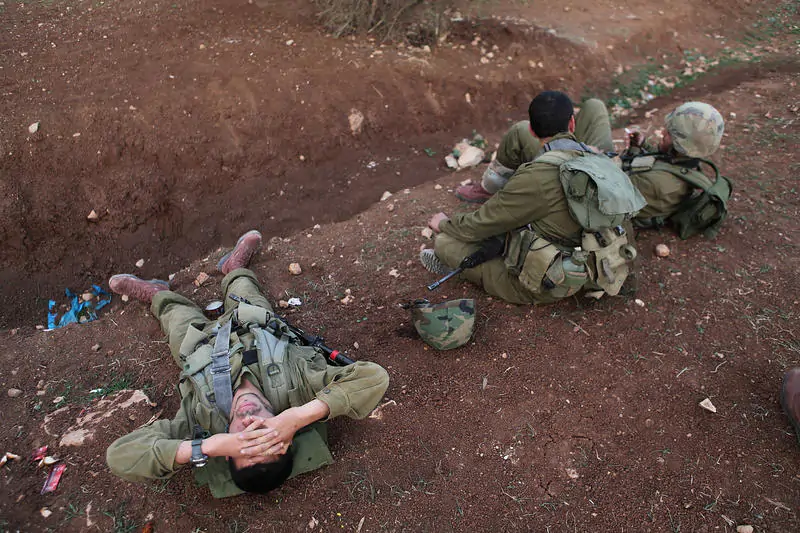
Amid a severe heatwave sweeping the region, the IDF is taking unprecedented steps to safeguard soldiers’ health—without compromising operational readiness.
According to a directive from the Chief of Staff, Lt. Gen. Eyal Zamir, a sweeping suspension of training exercises was declared across all IDF units until July 29. The decision follows extreme weather forecasts and a series of medical incidents among soldiers.

An Upside Down Week
But the IDF is finding creative solutions: in several field units, an “upside down week” has been implemented—a model in which training takes place during the cooler nighttime hours, and soldiers sleep in air-conditioned rooms during the day.
The move has proven successful on the ground, allowing training to continue while safeguarding health. “The IDF is committed to protecting its personnel while maintaining the operational readiness of its forces,” the IDF stated.
The Forecast: Hot, Hot, and Even Hotter
It’s difficult to determine the exact climate situation in the Gaza Strip due to a lack of infrastructure for collecting weather data. However, Israel’s Meteorological Service has developed forecasts extending to the year 2100, predicting rising temperatures and extreme weather events—ranging from heatwaves to rainstorms.
These forecasts are based on data from nearby areas such as Nahal Oz and Magen, providing a partial picture of conditions in Gaza as well.
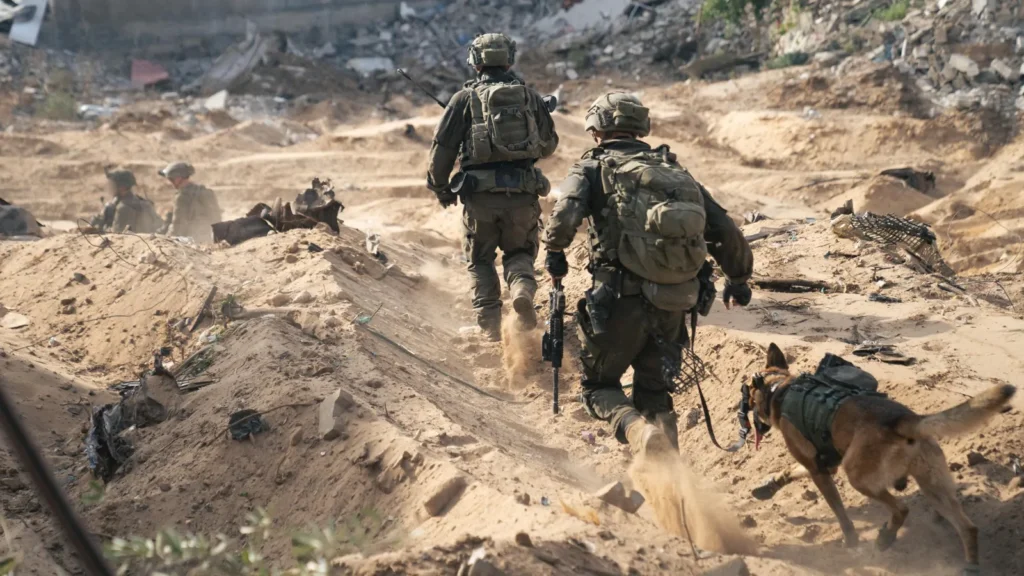
Heatwaves in the Gaza Strip, as in Israel, are expected to become longer, more intense, and more frequent, occurring even in months previously considered atypical for such conditions.