

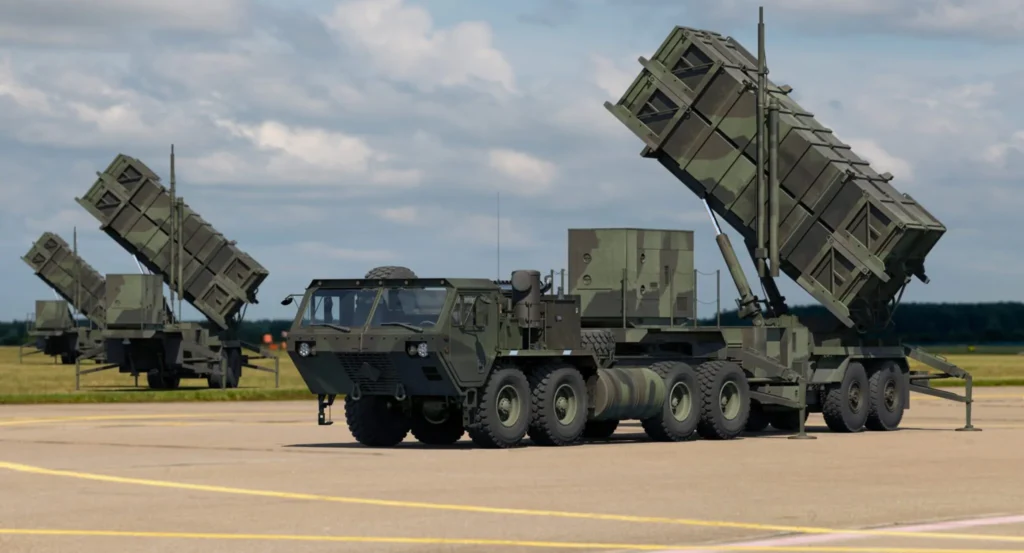
The Failure That Shocked the World
January 1991, deep in the Gulf War. An Iraqi Scud missile streaked across the Saudi skies toward an American base. Minutes later, a U.S. Patriot missile launched to intercept it – and missed.
Twenty-eight U.S. soldiers were killed that night. The technology that had been marketed as the ultimate defense shield for the West failed at its first major test.
The disappointment didn’t end there. In the war that followed, the Patriot would fail again – and worse, it would even shoot down friendly aircraft.
Deadly Mistakes in the Second Gulf War
In March 2003, during the U.S.-led invasion of Iraq, the Patriot faced its darkest hour.
A British Tornado GR4 fighter jet was misidentified as a hostile target and shot down, killing both crew members. A day later, an American F-16 barely escaped the same fate, destroying the Patriot battery with a defensive missile. Two weeks later, a U.S. Navy F/A-18 was downed, and its pilot killed.

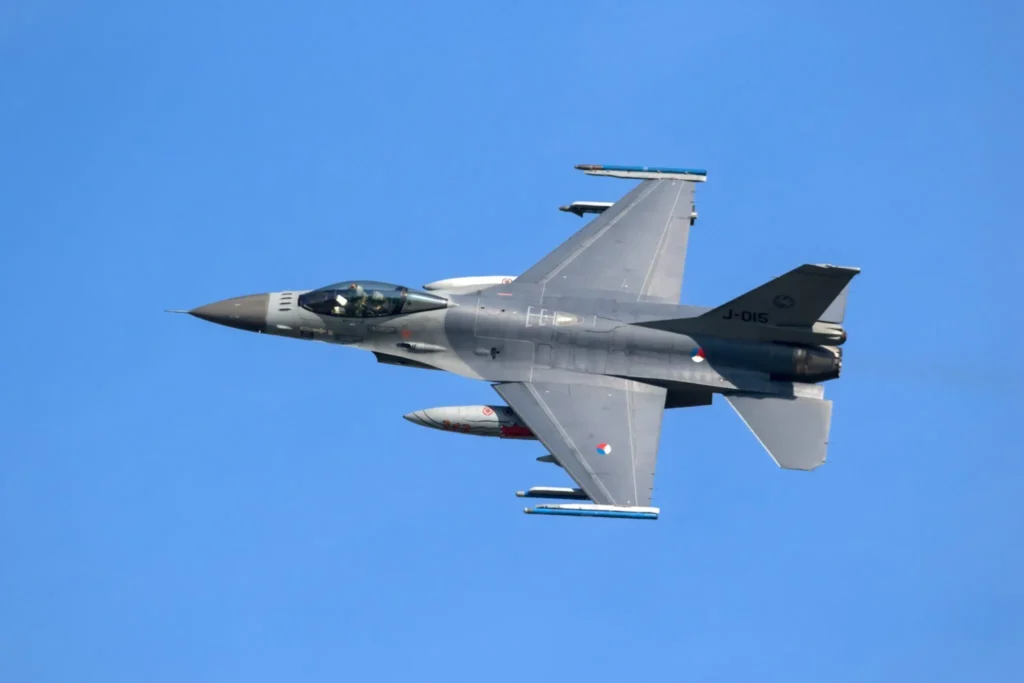
Investigations revealed a grim picture: radar misidentifications, software errors, and a system that operated almost entirely on automation. Critics called it a danger not only to enemies but also to the very forces it was meant to protect.
The Comeback – A New Generation of Patriots
Despite the scandals, Raytheon engineers refused to give up. The PAC-2 model improved missile interception rates, but the real breakthrough came with the PAC-3: a smaller, more precise missile with its own radar, designed to strike targets head-on rather than exploding nearby.
The system that had been mocked in the Gulf War was about to rewrite its legacy.
Israel Gives the Patriot Its First Combat Victory
Although Israel received Patriot batteries in the early 1990s, they were first used in combat decades later. During “Operation Protective Edge” in 2014, Patriots shot down two Hamas drones over Gaza. That same summer, the system achieved a world first: a Syrian Su-24 fighter jet, which had crossed into Israeli airspace over the Golan Heights, was intercepted and destroyed. In 2018, another Syrian jet – a Su-22 – met the same fate.
Watch footage of a Patriot Missile destroying a Syrian drone, 2018:
The Patriot’s Worth proven in Ukraine
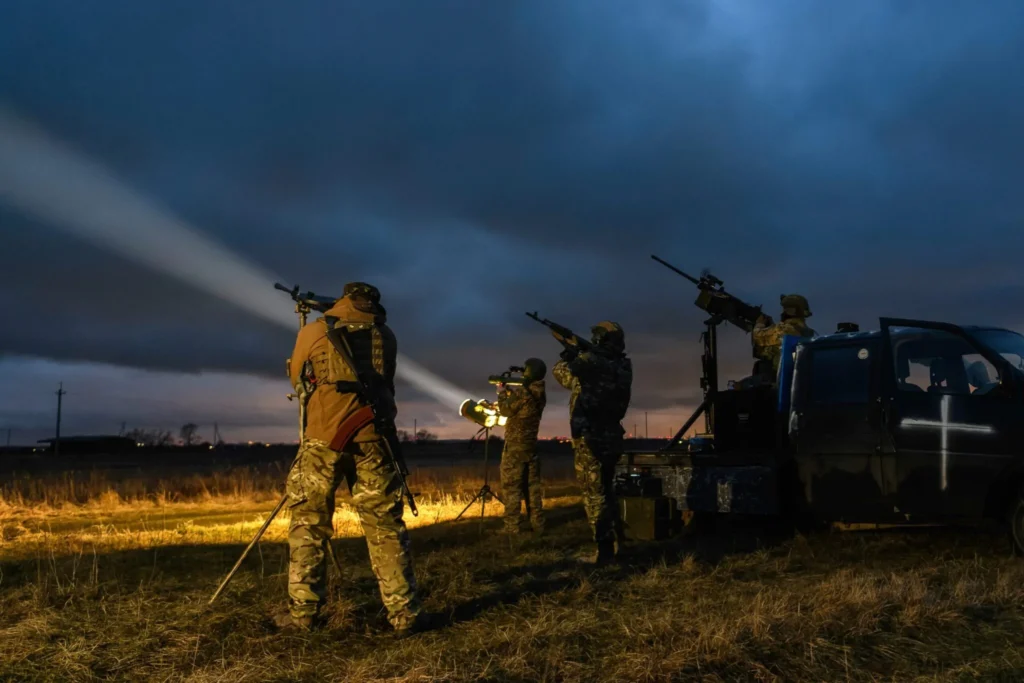
After Russia’s invasion of Ukraine in 2022, the U.S., Germany, and the Netherlands provided Kyiv with PAC-3 batteries.
In May 2023, Ukraine made history by intercepting a Russian hypersonic Kh-47M2 Kinzhal missile – previously considered impossible to stop. Two weeks later, Ukrainian Patriots shot down at least five Russian aircraft, including Su-34 and Su-35 fighter jets, over 100 kilometers from the front lines.
The End of an Era
Despite its newfound fame, the Patriot is gradually being retired.
The IDF has already replaced it with David’s Sling and the by now famous Iron Dome. In the U.S., the system is being integrated into a new unified air-defense network, the IBCS, which connects radars, interceptors, and command systems into one digital platform.
The system once derided as a failure has become one of the most respected air-defense systems in the world – bowing out at the peak of its success.