

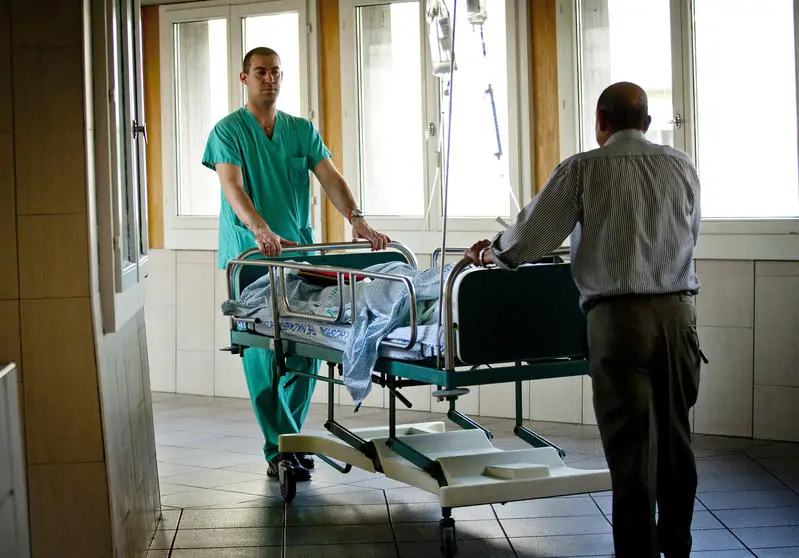
Enables faster and more evidence-based medical decision-making
The new advanced tool utilizes available data such as pre-existing conditions, initial blood test results, vital signs, and the manner of the patient’s arrival at the emergency room. The system analyzes this information and provides the medical team with an immediate and accurate picture of the patient’s condition, allowing for quicker and more evidence-based medical decisions.
Accurate assessment at the point of arrival
The new model can accurately determine, already upon arrival, whether the patient requires immediate treatment or hospitalization, which patients can be discharged, and who is at risk of deterioration or death during hospitalization. It can help save valuable time in the emergency room, prevent delays in treatment, and reduce the burden on medical staff.
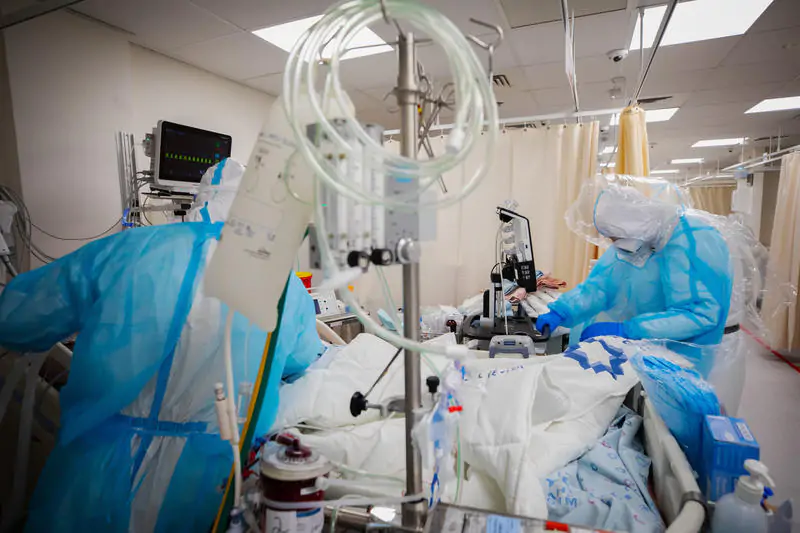
Israeli Development
The model was developed based on research using a data repository of about 4,000 pneumonia patients hospitalized at Shaare Zedek Medical Center. The results were published in the prestigious medical journal Journal of General Internal Medicine, and demonstrated that the new model is significantly more accurate than the older CURB-65 model currently in use in hospitals.
The model’s developer, Prof. David Katz, explained: “Early and accurate diagnosis enables appropriate treatment from the outset, thereby improving the chances of recovery. In addition, the reduced waiting time enabled by the model will allow medical teams to respond more quickly to other patients – making it doubly beneficial.”
According to the annual report produced by the IATI (Israel Advanced Technology Industries), “The Israeli Health Tech industry demonstrated impressive resilience and growth in 2024, driven by advancements in biotechnology, medical devices, and digital health technologies, [d]espite facing external challenges”. It seems 2025 will be no different.