
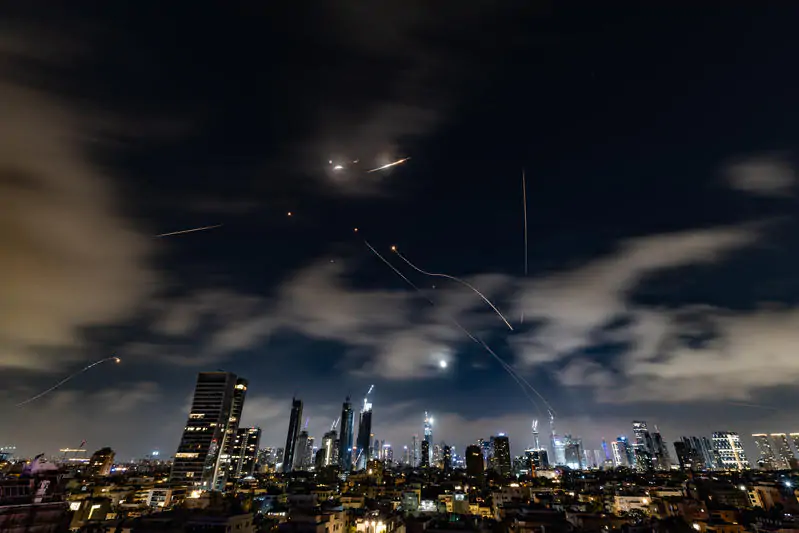
As tensions soar in the region, Israeli officials affirmed Thursday that the military is prepared for prolonged conflict with Iran. Prime Minister Benjamin Netanyahu declared that the operation against Iran’s nuclear and missile capabilities is advancing successfully and warned that Tehran’s regime is now under unprecedented pressure.
Hospital Targeted, Nuclear Sites Hit
In a stark escalation, Iran launched a Sejjil missile that struck Soroka Medical Center in Beersheba on Wednesday. Though dozens were injured, a catastrophe was averted as the hospital had transferred patients to underground shelters hours earlier. Medical officials said the facility is now operating in emergency mode, treating only life-threatening cases.
In response, Israel expanded its aerial offensive, targeting multiple nuclear facilities in Iran, including Fordow, Natanz, Isfahan, Arak, and Khondab.
IDF: “Over 95% of Threats Intercepted”
IDF spokesperson Lt. Col. Effie Defrin said Thursday evening that Israeli forces have intercepted more than 480 Iranian drones since the start of the campaign. “The Iranian regime deliberately fired on a hospital. That is a flagrant violation of international law,” he added. Defrin emphasized that Israel remains fully stocked with interceptors and maintains a high interception rate, with over 95% of incoming threats—drones and missiles—neutralized by the Air Force and Navy.
Netanyahu: “We Will Achieve All Our Objectives”
Speaking in an extended interview on Kan 11, Netanyahu said Israel’s objective is the complete dismantling of Iran’s nuclear and ballistic missile capabilities. “We are at war. I won’t share timetables, but we will reach all of our targets,” he stated. He stressed that the operation was meticulously coordinated between the Mossad, IDF, and other defense agencies, dismissing reports of internal disputes as “nonsense.”
Netanyahu described the decision to launch the operation as “historic,” explaining that the Iranian axis was weakened following Hezbollah’s and Assad’s collapse. “We didn’t leave this task for future generations—there might not have been any,” he said.
U.S. Role: Trump Decision Looms
White House press secretary Karoline Leavitt read a statement to reporters from U.S. President Donald Trump according to which he would make a decision whether or not to join the fight against Iran “within the next two weeks”, leaving a window open for negotiations. CBS News reported earlier that Trump believes destroying the underground Fordow enrichment site is essential to halting Iran’s nuclear ambitions. CIA Director John Ratcliffe reportedly told lawmakers that Iran is “very close” to acquiring a nuclear weapon—contradicting previous U.S. intelligence assessments.
Reuters reported that Trump’s envoy to the Middle East, Steve Witkoff, has held multiple conversations with Iranian Foreign Minister Abbas Araghchi, attempting to open a diplomatic channel. Tehran has insisted it will not rejoin negotiations unless Israel ceases its strikes.
“Iran Will Fall to Its Knees”
In his interview, Netanyahu praised the Trump administration for “helping in an extraordinary way,” noting that American pilots have assisted in intercepting Iranian drones. He criticized the Biden administration for previously trying to “restrain Israel” from acting against Iran’s regional proxies.
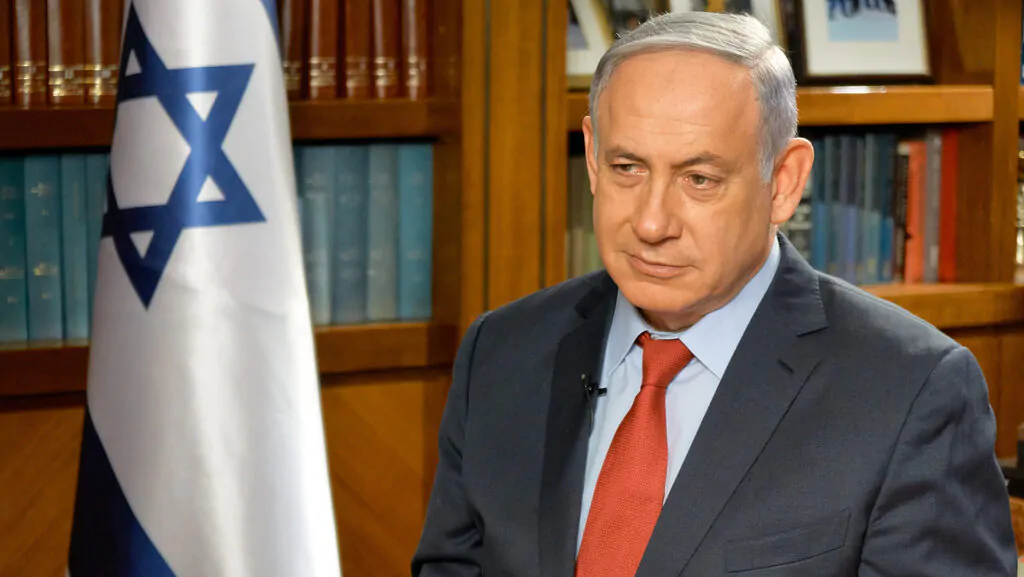
While stopping short of explicitly calling for regime change, Netanyahu suggested it could be an outcome of continued Israeli pressure. “This may be the moment the Iranian people rise,” he said.
Public Resilience and Personal Reflection
Netanyahu thanked the Israeli public for its resilience and acknowledged the personal costs of leadership during wartime. “This is the mission of my life. With the support of my sons and my wife Sara, I can face anything,” he concluded.
As Israel’s military operations deepen and Tehran weighs its next steps, all eyes now turn to Washington. The coming weeks may define not only the fate of Iran’s nuclear program—but the balance of power in the Middle East.