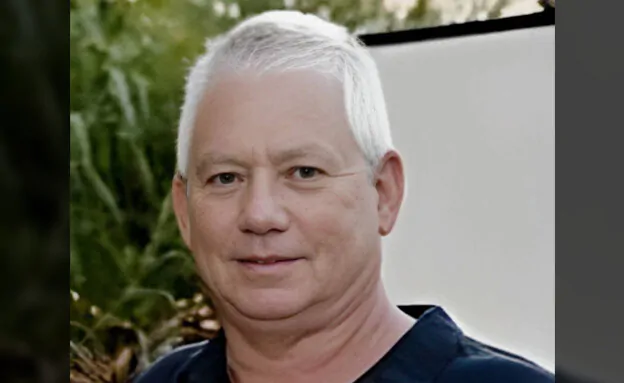

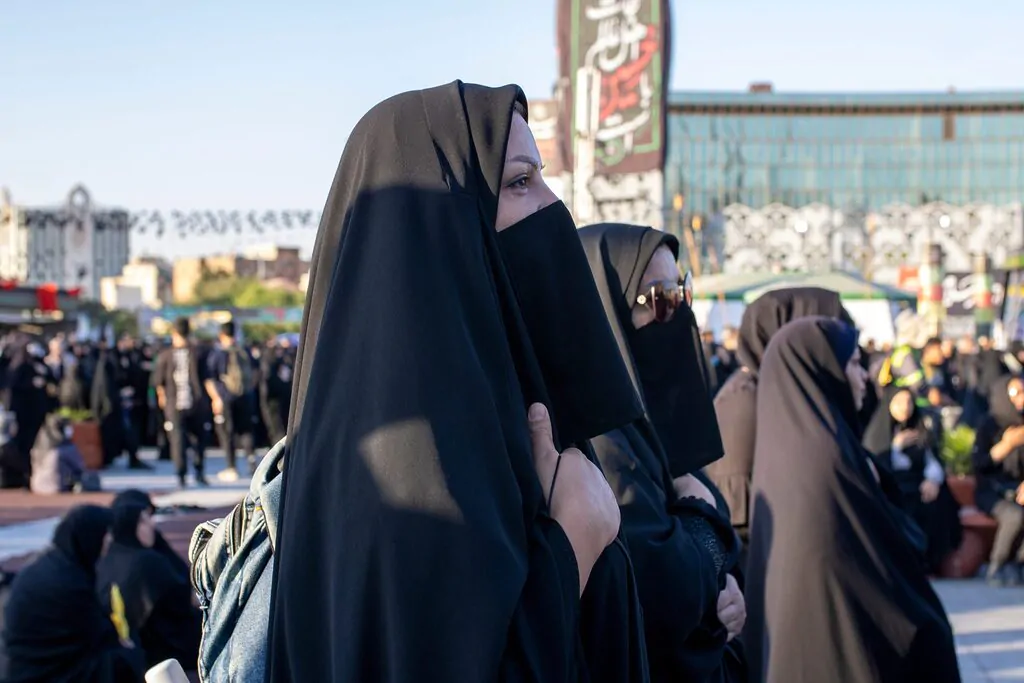
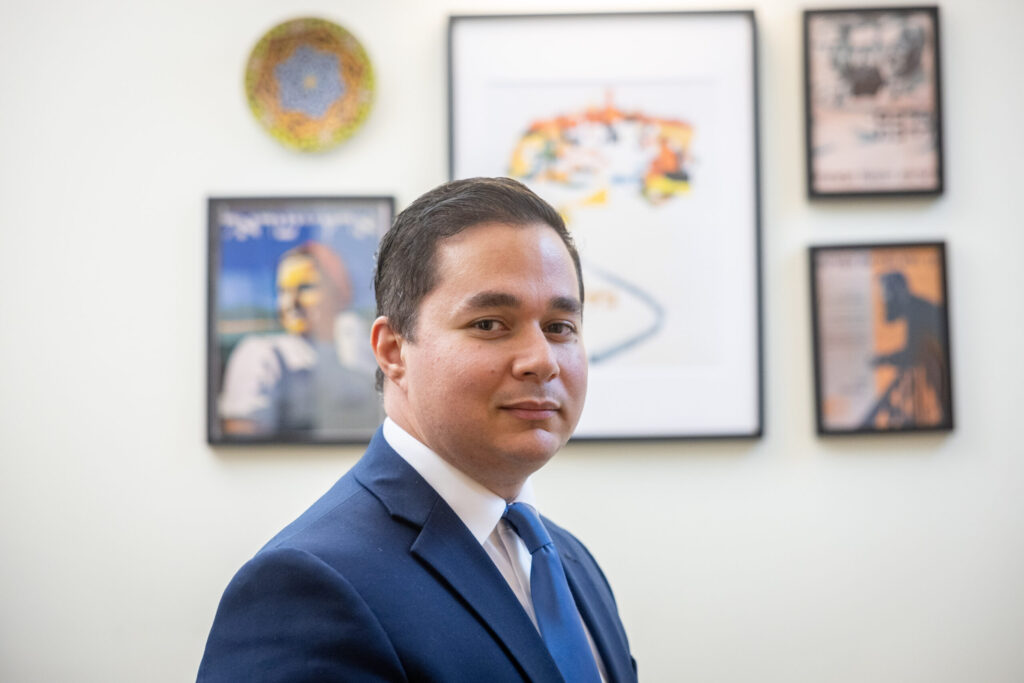
A post in Persian by Israeli MK Dan Illouz has gone viral on Iranian social media, drawing hundreds of thousands of views and thousands of likes. The message, shared during ongoing IDF strikes on Iranian infrastructure, resonated widely with Iranians both in the diaspora and possibly within Iran itself.
A Call for Unity Between Peoples
The post expresses deep respect for Persian culture, citing historical and cultural icons such as Cyrus the Great, Rumi, and Avicenna. Illouz called for unity between the Israeli and Iranian peoples against Tehran’s extremist regime.
خطاب به مردم شریف ایران
ملت بزرگ ایران،شما وارثان یکی از باشکوهترین تمدنهای تاریخ هستید.
فرزندان کوروش بزرگ، که به ملت ما آزادی بخشید.
از تبار مولانا، که شعرهایش هنوز دلها را آرام میکند.
از نسل ابنسینا، که پایههای دانش پزشکی را بنا نهاد.ما، مردم یهود، این را از یاد…
— דן אילוז – Dan Illouz (@dillouz) June 17, 2025
“The Regime Fears Your Voice More Than Any Army”
In stark terms, Illouz described the Iranian regime’s oppression:
“The regime that shot bullets into protesters’ eyes, that beat girls over their hijabs, that tortured youth for daring to speak the truth. The regime that killed Mahsa Amini and pretended she fainted. The regime that hung Iran’s youth in public squares to extinguish their courage. They are sacrificing your future to preserve their power. They fear your voice more than any army.”
“The Wall Between Us Is Not Eternal”
Alongside these harsh truths, the post also envisioned a hopeful future:
“The wall between us is not eternal. And when it falls—the sky won’t be the limit. Imagine Iranian and Israeli scientists discovering a cure for cancer. Poets in Persian and Hebrew reviving the spirit of the Middle East. Tehran and Tel Aviv connected by art, culture, and commerce—not by missiles. This is not a dream. It’s a future we can build. And when you rise—we will embrace you as brothers.”
“Long Live Iran and Long Live Israel”
The response was overwhelming. Hundreds of Persian-speaking users, especially from the Iranian diaspora—and possibly from within Iran—responded with heartfelt messages.
“This is one of the most beautiful messages I’ve read lately. Long live Iran and long live Israel,” one user wrote. Another added: “We want to rise, but we have no coordination, no communication, and every attempt is suppressed.”
Another message read: “The Iranian people have not forgotten the Jewish people—and will not forget. We are natural allies.”
This rare moment of connection—an Israeli public figure receiving widespread support from Iranian citizens, in Persian, during active conflict—marks an extraordinary event in the diplomatic and cultural landscape.