
Operation Am KaLavi (Rising Lion) entered its second day today (Saturday). Over Shabbat, five salvos of missiles were launched from Iran into Israeli territory. Homefront areas reported 3 fatalities and dozens of injuries at several impact sites: Tel Aviv, Ramat Gan, and Rishon LeZion.
At the same time, UAVs were also launched toward Israel. The IDF estimates that Iran has launched approximately 200 missiles so far, of which about 150 were successfully intercepted. Despite some pinpoint hits, the IDF emphasizes that operational readiness has not been compromised. Seven soldiers sustained light injuries from a missile strike in central Israel.
In Iran, the Air Force continued widespread strikes in several waves, during which the IDF struck hundreds of targets throughout the country.
עוד באותו הנושא
- Israel Strengthens Global Alliances Amid Regional and International Challenges
- Beyond the Conventional: Haredi Soldiers and Wives of Warriors Stand with the IDF
- Hostages No More: IDF Returns Two Fallen Heroes from Gaza in Daring Operation
- Freed Hostage Turns Her Pain Into Strength at the UN Security Council
From nuclear sites to air defense systems, we’ve dismantled some of Iran’s most dangerous military assets.
Here’s a breakdown of the key targets struck across Iran: pic.twitter.com/ppRJzwW8uz
— Israel Defense Forces (@IDF) June 14, 2025
Air Force Strikes Nuclear and Missile Infrastructure
The Israeli Air Force targeted three nuclear facilities—in Isfahan, Natanz, and Fordow—and hundreds of components in Iran’s missile systems, air defense arrays, and nuclear development infrastructure. Among the targets were facilities for converting enriched uranium, laboratories for metallic uranium, and sites with military-grade enrichment readiness.
The IDF Spokesperson confirmed that critical buildings essential to advancing Iran’s nuclear program were destroyed in the strike on the Isfahan nuclear site. Iran admitted to partial damage in Fordow but claimed that “important components” had been removed from the facility in advance.
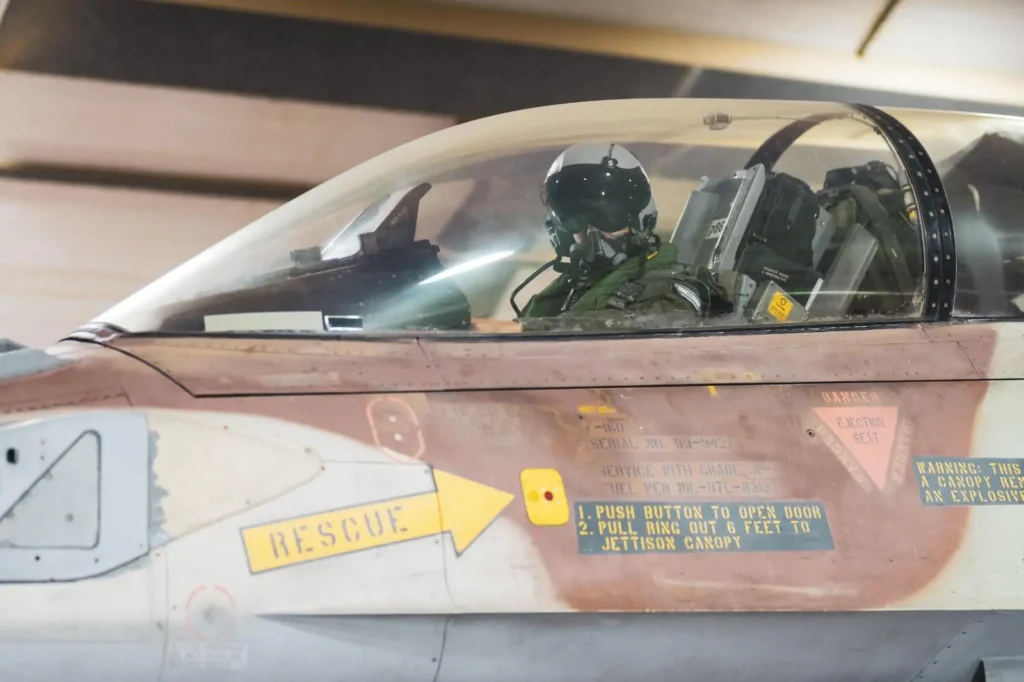
Israeli aircraft also targeted Iranian Air Force bases in Hamadan and Tabriz, as well as international airports in Tehran, Tabriz, and Hamadan. These strikes were part of a systematic effort to eliminate surface-to-air threats along the penetration route to Tehran.
More than 70 fighter jets operated over the Iranian capital for two and a half hours, attacking over 50 targets in the city, including missile batteries, underground command centers, and key control sites. According to Air Force Commander Maj. Gen. Tomer Bar, “The strikes over Tehran are among the most complex in the Air Force’s history and mark a strategic aerial achievement.”
The IDF reported the elimination of over 20 senior commanders of the Iranian regime, including Gholam-Reza Marhabavi, head of military intelligence in the Iranian army, and Mohammad Bagheri, commander of the IRGC’s surface-to-surface missile division. Additionally, nine senior scientists in the nuclear project were killed, including experts in nuclear physics, materials engineering, and nuclear chemistry.