
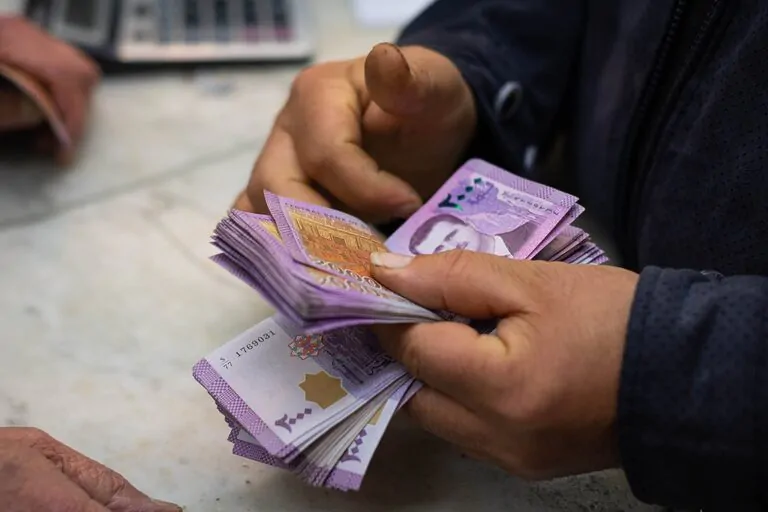
Syria will reconnect to the global SWIFT financial messaging system within the next few weeks, according to Abdulqader Husrieh, Governor of the Central Bank of Syria, in an interview with the Financial Times published Monday.
Since the outbreak of the civil war in 2011, Syria has been disconnected from SWIFT—a severe sanction that crippled the country’s ability to engage in international economic activity and left it financially isolated.
A Key Step in Economic Recovery
Husrieh described the move as a critical step in rebuilding Syria’s devastated economy and restoring its access to international financial markets after years of sanctions.
“Our goal is to rebrand Syria as a financial hub, especially in light of expected investments in infrastructure and reconstruction,” he said.
Husrieh added that returning to SWIFT is expected to promote foreign trade, lower import costs, and facilitate exports—bringing in much-needed foreign currency to support Syria’s struggling economy. It will also strengthen efforts to combat money laundering and reduce dependence on informal financial networks.
What Is the SWIFT System?
SWIFT is a global communications platform that allows banks and financial institutions around the world to securely, reliably, and efficiently exchange financial information. It was established in 1973 by 239 banks from 15 countries to replace outdated communication systems of the time.
New Government, New Chapter
Following the fall of Bashar al-Assad’s regime at the end of last year, the international community is once again opening its doors to Syria, offering the country new opportunities.
Syria received significant relief when former U.S. President Donald Trump unexpectedly announced the lifting of sanctions last month. Since then, the European Union has joined the effort, announcing a €175 million aid package last week to support the country’s social and economic recovery.
Dubravka Šuica, the EU Commissioner for the Mediterranean, stated:
“Syria stands at a crossroads,” with potential for a transition to peace and stability.