

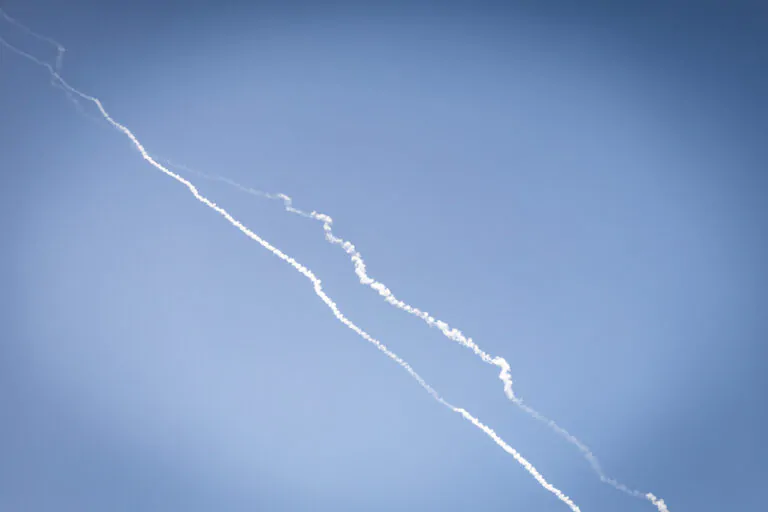
An exclusive report published earlier today (Friday) by The Wall Street Journal reveals that an Israeli strike last October, carried out during Operation Days of Penitence, significantly disrupted Iran’s missile production capacity.
The strike damaged around 12 planetary mixers used to prepare critical components for solid-fuel ballistic missiles. As a result, Iran has been forced to accelerate imports of key raw materials from China—chief among them ammonium perchlorate—in order to repair and restart the damaged facilities.
Restarting Production, Rebuilding the Axis
According to the report, Iran placed orders for these materials through a Hong Kong-based company named Lion Commodities Holdings, using an Iranian intermediary company called Pishgaman Tejarat Rafi Novin. The quantities ordered are reportedly sufficient to produce up to 800 short-range missiles.
Sources said that previous shipments of sodium perchlorate, a precursor chemical, had already arrived in Iran in February and March.
Several officials assessed that part of the imported material may be transferred to Iranian-backed militias in the region, including the Houthis in Yemen. The move is aimed at reviving the Iranian “axis of resistance,” which suffered significant setbacks during the Swords of Iron war.

Rebuilding Efforts Facing Pushback
In response, the United States announced a series of new sanctions in April and May targeting companies in China and Hong Kong that have supported Iran’s missile program by supplying critical components. According to the U.S. State Department, Chinese assistance has contributed to the production capabilities of missiles and UAVs for the Houthis.
A spokesperson for China’s Foreign Ministry said Beijing was unaware of the deal and emphasized that China strictly supervises the export of dual-use materials in accordance with its domestic laws and international commitments.