

Shavuot: The Giving of the Torah
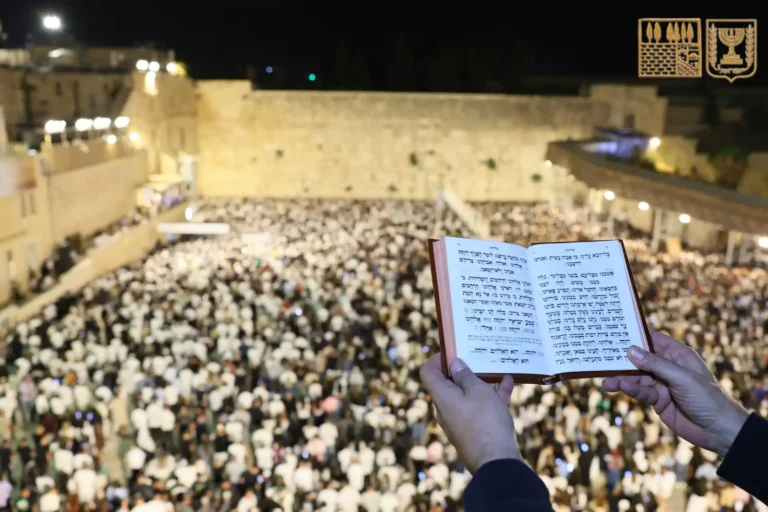
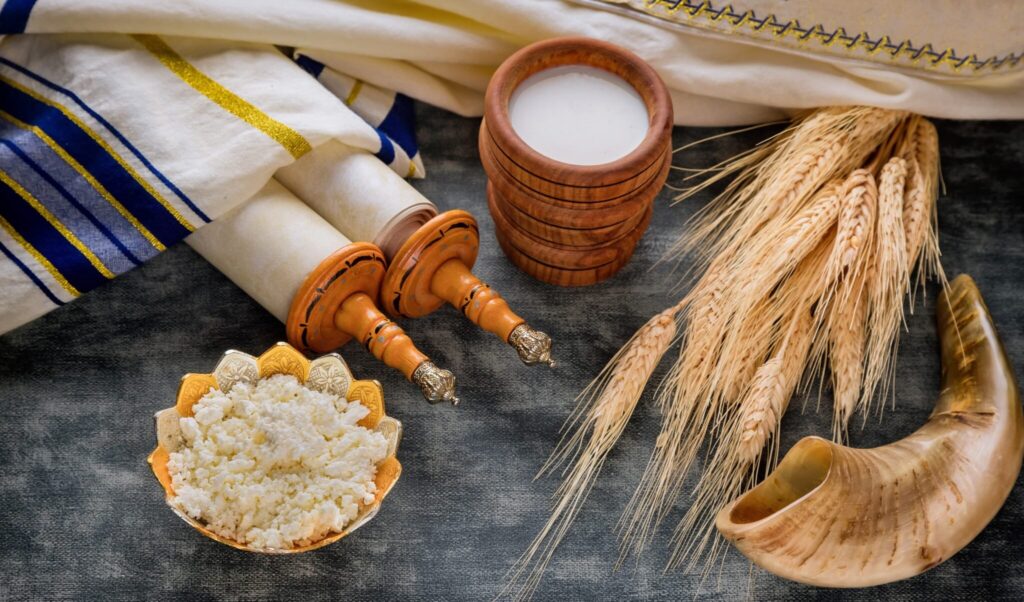
Shavuot, meaning “Weeks,” concludes the seven-week counting period of the Omer, which begins on the second night of Passover. This festival celebrates the moment when G‑d gave the Torah to the Jewish people, forging a covenant that defines their spiritual identity. Traditionally, communities gather to hear the Ten Commandments read from the Torah, and many stay up all night studying sacred texts—a practice known as Tikkun Leil Shavuot.
Rosh Chodesh Sivan: Unity at Sinai
The first day of Sivan, known as Rosh Chodesh Sivan, is notable for the Israelites’ arrival at Mount Sinai. The Torah describes their encampment with the singular verb “vayichan,” indicating that they camped “as one person with one heart.” Commentators see this as the prerequisite for receiving the Torah – unity among the nation. Sivan reminds us revelation and divinity are inextricably linked to a unified people.
Yom HaMeyuchas: The Day of Distinction
On the 2nd of Sivan, referred to as Yom HaMeyuchas or “Day of Distinction,” G‑d instructed Moses to prepare the people for the divine revelation. He conveyed the message: “You shall be to Me a kingdom of priests and a holy nation,” highlighting the unique role and responsibility bestowed upon the Israelites. The three days before Shavuot are the days the Israelites cleansed and prepared themselves for the revelation on Sinai.
Spiritual Themes and Symbolism
Sivan is associated with the zodiac sign Gemini, or Te’omim in Hebrew, symbolizing twins. This duality reflects the balance between the physical and spiritual realms, between the individual and the group, a harmony epitomized in the giving of the Torah to the Jewish people as a nation.
The number three also features prominently: the third month, given to a tripartite nation (Kohen, Levi, and Yisrael) through Moses, the third child in his family, comprising a Torah divided into three parts—Torah, Prophets, and Writings. This triad underscores the unity and completeness inherent in the Torah’s transmission.
Customs and Practices
-
Liturgical Changes: From the afternoon of the 29th of Iyar through the 12th of Sivan, the Tachanun prayer is omitted, reflecting the joyous nature of this period. Chabad
-
Haircuts and Grooming: While some traditions permit haircuts after Lag BaOmer, the Rebbe Rashab discouraged taking haircuts during the three days leading up to Shavuot, emphasizing the sanctity of this preparatory time.
-
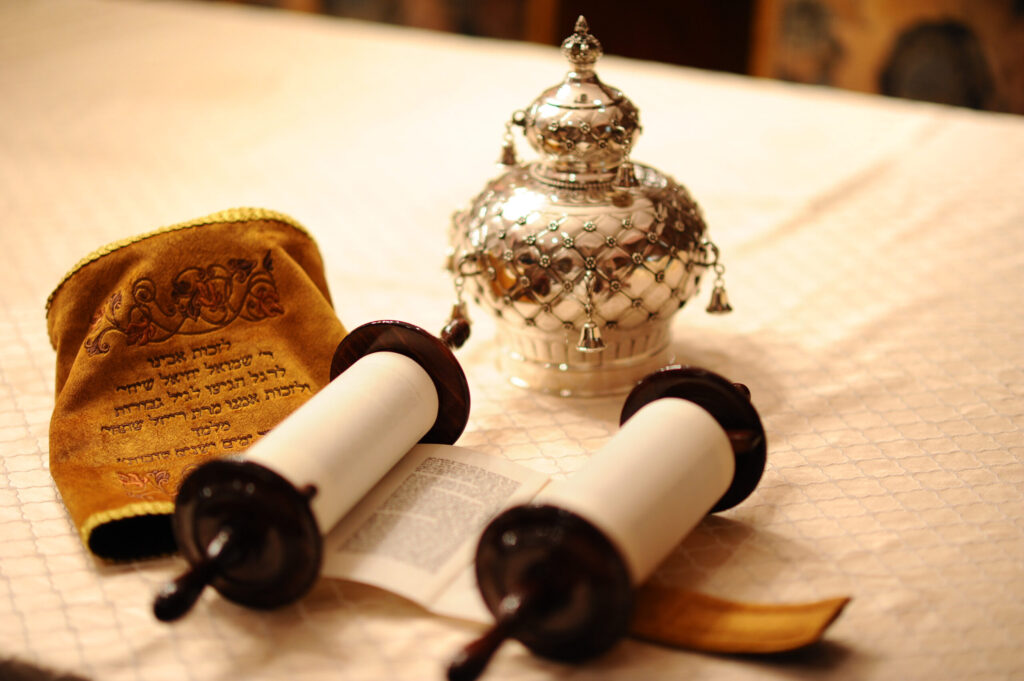
Reading the Ten Commandments: During Shavuot, congregations stand during the public reading of the Ten Commandments, reenacting the awe and reverence of the original Sinai experience.
- Floral Decoration: Families decorate their homes and holiday tables with flowers and leaves in memory of the Mount Sinai sprouting blossoms before the revelation.
Torah and Unity
Sivan invites reflection on the profound gift of the Torah and the unity required to receive it. As communities worldwide commemorate Shavuot, they reconnect with the moment of divine revelation, reaffirming their commitment to the values and teachings that have sustained the Jewish people through generations.