
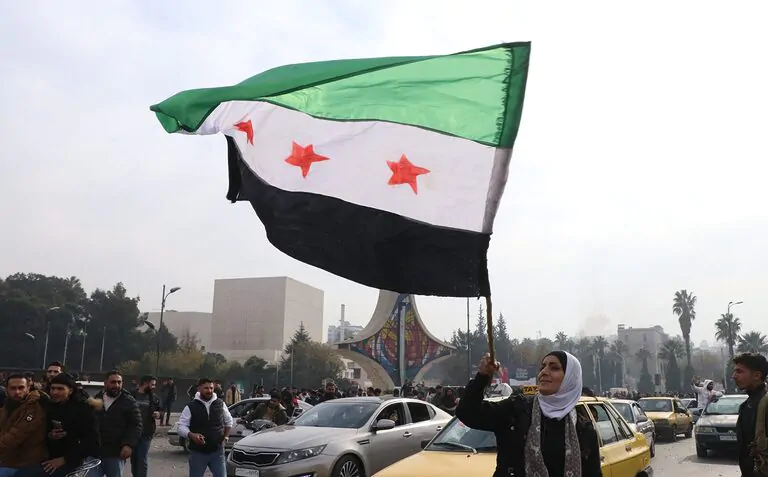
Since the 1960s, Syria has served as a refuge for Palestinian terror organizations—many backed by Iran as part of the “Axis of Resistance,” alongside Hezbollah and Shiite militias from Iraq and Yemen. One exception was Hamas, which during the early days of the Arab Spring sided with the Sunni rebels against the Assad regime—a move perceived by Damascus as a betrayal, leading to Hamas’s expulsion.
Terror group leaders leave Damascus
According to a report published Saturday in Asharq Al-Awsat, one senior official from a departing faction stated that “most of the Palestinian faction leaderships that had received Iranian backing have left Damascus.”
Most reportedly relocated to neighboring countries, primarily Lebanon. Another source confirmed that all factions have handed over their weapons to the Syrian authorities. In certain cases, small arms were allowed to remain in their possession for self-defense, with official approval. Sources emphasized that the new regime in Damascus did not explicitly order the expulsion of the factions but significantly restricted their activities. Some operatives were arrested, others had their movement limited, and many feel “unwelcome.” A large portion of the factions’ assets—including homes, offices, vehicles, and training facilities—was confiscated by Syrian authorities.
The Goal: Lifting Sanctions
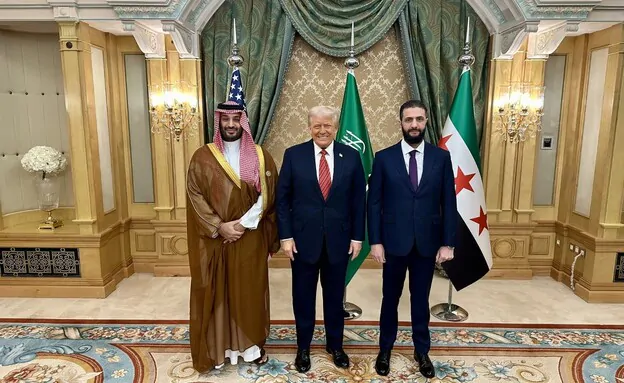
The United States has imposed sanctions on Syria since 1979, which were significantly tightened after the outbreak of the civil war in 2011. These sanctions economically isolated the Assad regime and deterred international investment in Syria. As is known, the dictator Bashar al-Assad was ousted at the end of 2024 and replaced by Ahmed al-Sharaa, popularly known as Abu Mohammad al-Julani.
Last Friday, the U.S. State Department and Treasury announced temporary six-month waivers on certain sanctions targeting key Syrian institutions, including the central bank. The administration stated the move was intended “to give the new government a real chance to succeed,” adding that sanctions are “one of the main causes of continued suffering.”

The conditions: Expelling terror groups and normalizing with Israel
U.S. Secretary of State Marco Rubio stressed that this was just the first step in a lengthy process. He noted that Syria would need to meet several conditions to achieve full sanctions relief: the expulsion of Palestinian terror groups, responsibility for detainment of ISIS fighters, integration of Kurdish forces into the Syrian army, destruction of all chemical weapons, and joining the Abraham Accords with Israel.
However, Rubio also warned that the Syrian transitional government is “just weeks away from collapse and a renewed civil war on a massive scale.”