

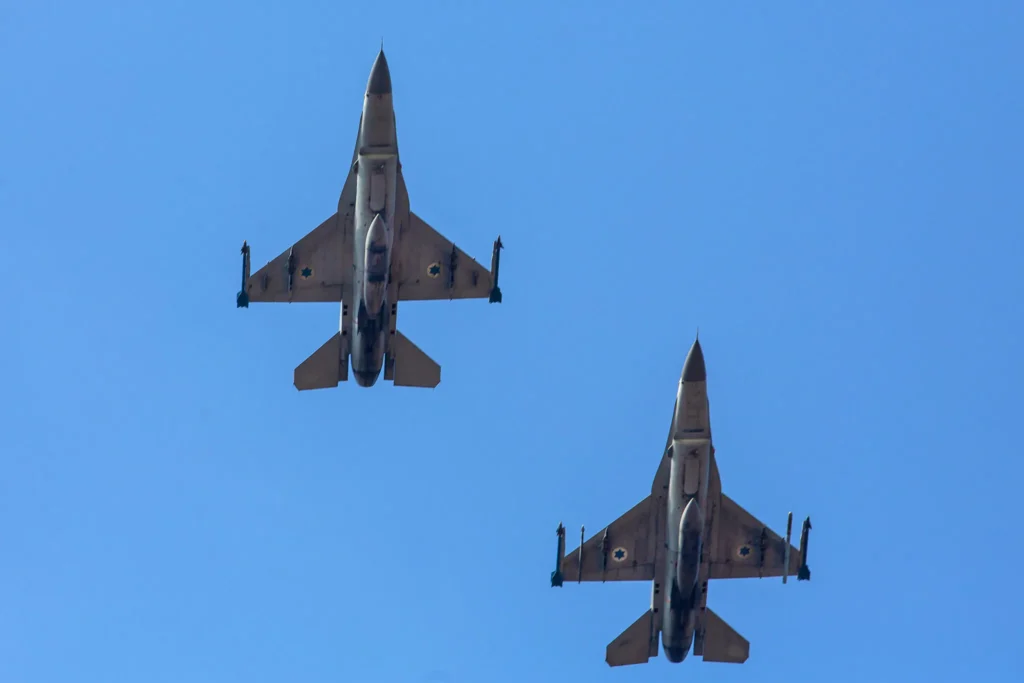
JERUSALEM / TOKYO – Senior Israeli intelligence officials, including representatives from the Mossad, have warned their Japanese counterparts against including Saudi Arabia in a major international fighter jet development program. The concern: potential loss of Israel’s technological edge in the Middle East—and the risk of sensitive data reaching Russia.
Israel Alarmed Over Stealth Tech Transfer
According to a report in Intelligence Online, Israeli security sources fear that advanced stealth technology—if shared with Riyadh—could reach Russian intelligence channels, undermining both Israel’s air superiority and Western defense standards.
The warnings come as Japan, the UK, and Italy work to advance their sixth-generation fighter program known as GCAP (Global Combat Air Programme). Tokyo is reportedly exploring Riyadh’s inclusion in the project as a way to strengthen U.S.–Japan ties and secure additional funding.

Strategic and Technological Concerns
Israeli officials conveyed that providing Saudi Arabia access to the GCAP initiative could erode Israel’s qualitative military edge (QME) in the region, undermine regional deterrence architecture, and expose stealth, sensor, and avionics technologies to unauthorized actors.
One specific worry is that Crown Prince Mohammed bin Salman could grant access—intentionally or not—to rival powers like Russia, with whom Saudi Arabia maintains energy and strategic ties.
Saudi–French Efforts to Shape Gaza “Post-War” Governance
In parallel diplomatic developments, Saudi Arabia is reportedly working with France to draft a new ceasefire proposal for Gaza. The initiative aims to transform Hamas from an armed terror group into a purely political entity, potentially allowing the organization to retain a limited role in Palestinian governance.
Sources claim Saudi Arabia has been in direct communication with Hamas, although it remains unclear if France has engaged the group as part of this effort. While controversial, the initiative seeks to increase the likelihood that Hamas might disarm in exchange for long-term political recognition in a post-war Palestinian structure.