
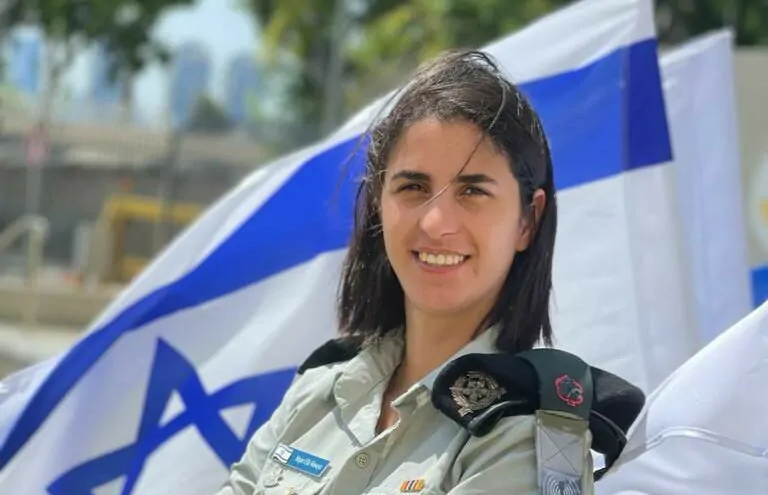
Ella Waweya, widely known by her IDF code name “Captain Ella,” is the head of Arabic Communications in the IDF Spokesperson’s Unit and the deputy spokesperson to the Arab world. In a deeply personal Facebook post published Friday, she shared her story growing up in a traditional Muslim home in Qalansuwa—and how she chose her own path.
“Why do I feel different?”
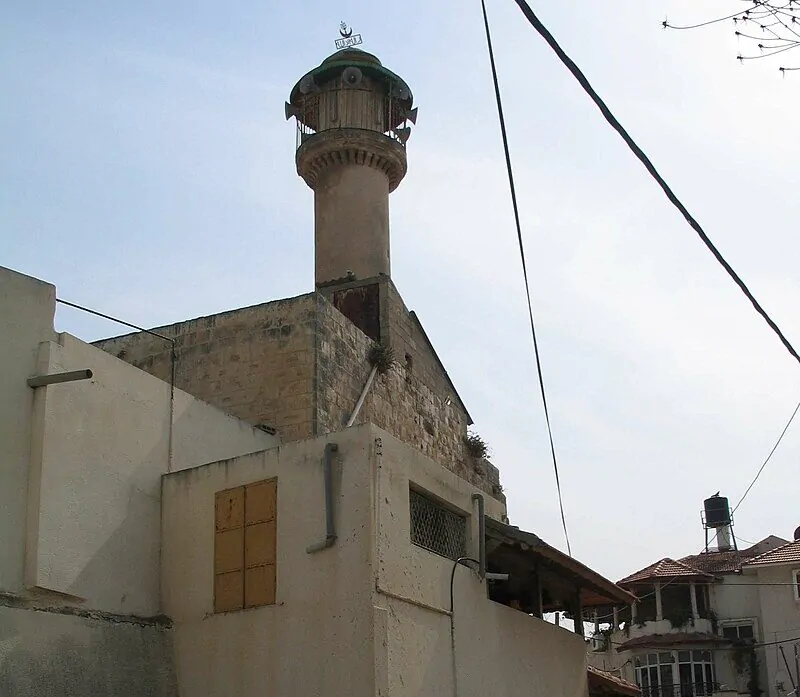
Ella began by describing the dusty streets of Qalansuwa, a town in central Israel, which she remembers as a village. “Muddy streets, low houses, everyone knows everyone. A small home, seven people in one family. My parents were simple people. My father, was a farmer who grew strawberries with tires hands and a big heart. My mother, first a social worker, later helped him in the fields. Eventually, she cleaned other people’s homes—but always kept ours spotless, with dignity.”
“They prayed five times a day. The house was wrapped in carpets, scented with mint tea, and surrounded by a quiet that asked no questions. Only I didn’t try to fit in. I always looked around and asked: Why does everyone think the same? Why are there rules I don’t understand? Why do I feel different?”
“None of the labels felt like home”
At age 12, the Second Intifada broke out. “In the evenings, we watched Al Jazeera. I was glued to the screen, following the reports by Shireen Abu Akleh. That’s when I noticed the shadows on the wall all came from one direction—the army killed, the occupation destroyed. No other side was shown. And I, a girl from Qalansuwa, began asking: “Why? Who started it? What if the other side also feels pain?”
She didn’t dare ask out loud, so she wrote. “Words in a green notebook, short lines of thought. I didn’t know if I feared the answers or the questions more, but they unlocked something in me. Society called me many things—Arab, Muslim, Palestinian, Arab Israeli, 1948 Arab. But none of those felt like home.”
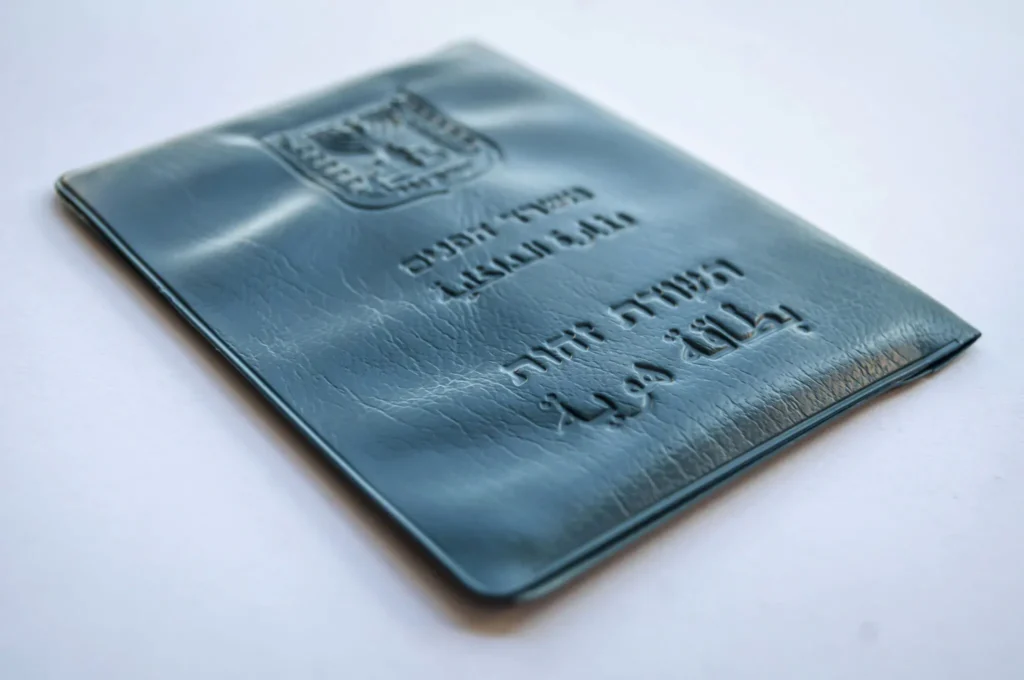
At 16, Ella received her Israeli ID card. “It said: ‘Israeli.’ I trembled—not from fear, but from relief. For the first time, someone gave me a label that felt close to something real. Not political, not ideological—just a physical sense of belonging. To this land I walk on, to this street I cross every day.”
“I saw the light”
At 19, Ella decided to study communications. She wanted to show the world the side that wasn’t broadcast. That same year, she changed her name. “I became Ella. No longer a name chosen for me, but one I chose. Short hair, no hijab, a small apartment—a new beginning. As if I stepped out of the cave, saw the light, and refused to go back inside.”
When she enlisted in the IDF, she did so quietly. “It wasn’t just service—it was a declaration. That I belong. That I choose. That I don’t apologize. I joined the Spokesperson’s Unit. Not a soldier with a rifle—but a warrior with words. In front of cameras, journalists, and myself. Slowly, I became an officer. I made it to the screen. My face spoke to the world. And every time I stood before the camera, I felt the 12-year-old girl behind me, smiling. Telling me: ‘You knew.’”
“It’s not both. It’s me.”
Ella noted that along the way she encountered hardship, anger, slander, and hate. “And yet, I saw my mother’s eyes shine when I spoke a clear, proud, courageous Arabic sentence on TV.”
“There were memories that stayed. The strawberry field, where my father planted the seeds that raised me. A room with five kids, where I taught myself to dream of a space that belonged only to me. The smile in that photo—short colorful jeans, a concrete wall behind, a small garden. And each of those memories wasn’t nostalgia—they were building blocks. When asked how it feels to be ‘both,’ I answered: It’s not both. It’s me.”
“As I went deeper, I realized my cave wasn’t just a place—it was a mindset. And the light? It doesn’t always blind. Sometimes it just says: You’re allowed. You’re allowed to choose your name, your faith, your path, your heart.”
“Step out. Dare. There is light outside—and it’s waiting for you.”
Now, years later, Ella reflects: “This wasn’t a journey to convince anyone. It was a journey not to lose myself. To reinvent myself without fear. To lift a small torch that might light the way for those still afraid to take a step. Because there are many. And I want to tell them: Step out. Dare. There is light outside. And it’s waiting for you.”
“Because one girl, once, stepped out of a cave. And from the moment she saw the light—she refused to turn it off.”
In a new video, Ella shares a powerful message with young Palestinians
“A word of advice to any young Palestinian thinking about taking up arms: You won’t be a hero… You’ll be a victim. Before you risk your life, listen to me.”
نصيحة لكل شاب فلسطيني بيفكّر يحمل سلاح:
مش رح تكون بطل… رح تكون ضحية.
قبل ما تغامر بحياتك، اسمعني للأخير. pic.twitter.com/t8tEy3Dmb1— كابتن إيلا Captain Ella (@CaptainElla1) May 24, 2025