
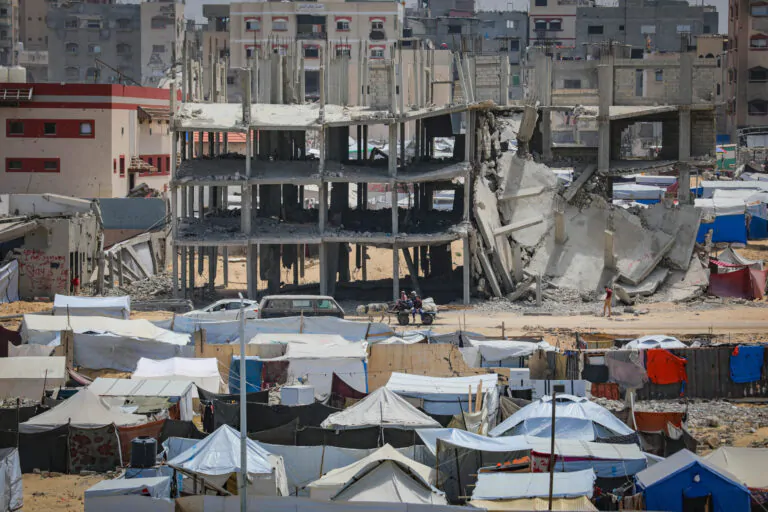
The Knesset’s Subcommittee on Foreign Affairs and Public Diplomacy held a special session today (Tuesday) to examine the state of civilian infrastructure in the Gaza Strip. The discussion presented a complex picture of how water, sewage, healthcare, education, and sanitation systems are functioning—managed by both local and international organizations—even in the midst of active combat.
Distinguishing Between Military and Civilian Objectives
The session, chaired by MK Moshe Tur-Paz, highlighted the importance of differentiating between military targets and the continued operation of basic civilian services. Although the war’s stated goal, as defined by the Cabinet, is the destruction of Hamas and Islamic Jihad infrastructure, Tur-Paz stressed that the civilian situation on the ground demands a separation between these military aims and the day-to-day management of essential services. He clarified that civilian administration should be handled by local actors unassociated with terror organizations, with limited support from international bodies.
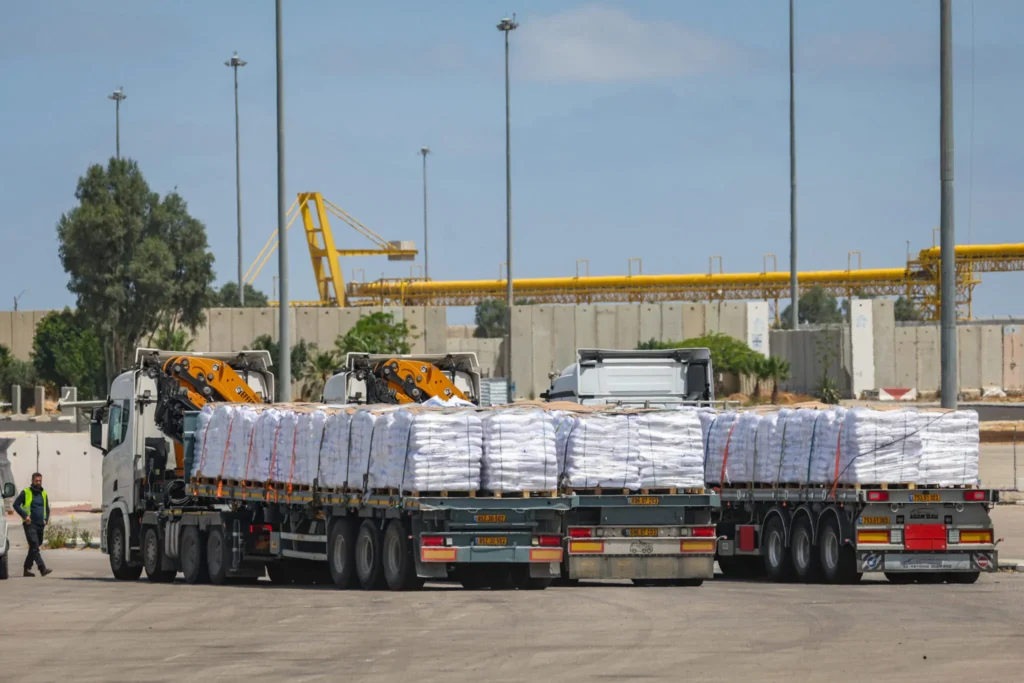
Tur-Paz noted that in a previous committee session, it was claimed that no humanitarian aid was entering Gaza. However, aid has in fact been delivered—including medical supplies to hospitals. “This is a reality the Israeli public should be aware of. We are committed to the public’s right to know and fully understand the situation,” he emphasized.
14 Field Hospitals Operating in Gaza
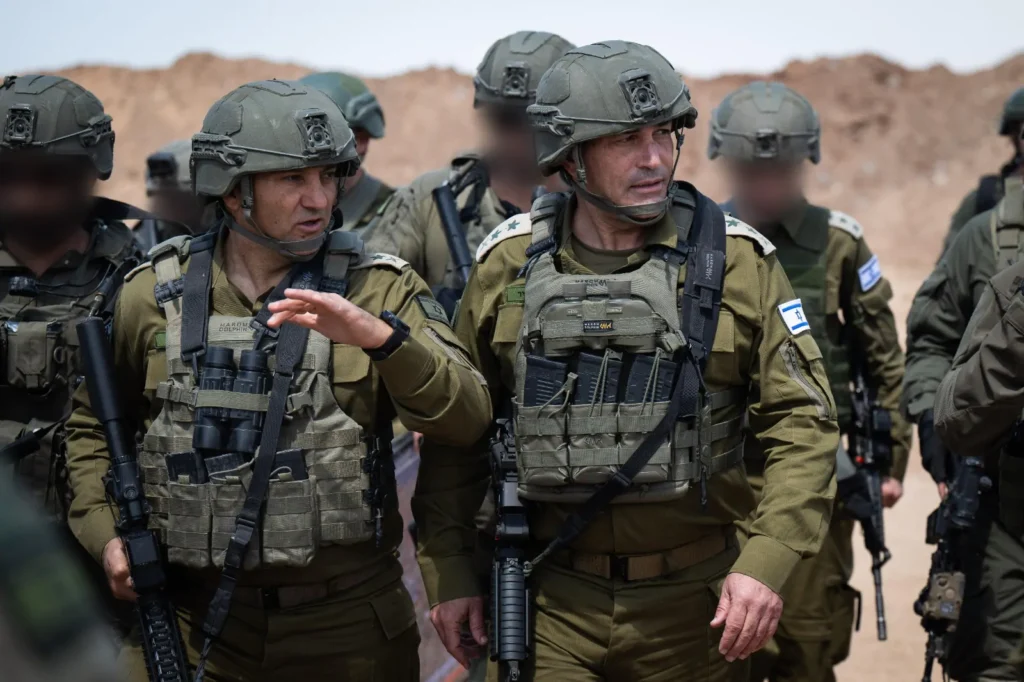
Lt. Col. Yotam Shefer, Head of the Foreign Relations Branch at COGAT (Coordinator of Government Activities in the Territories), provided a detailed overview. In the areas of water and sewage, infrastructure is being maintained through a combination of local and international efforts, including involvement by the Palestinian Water Authority operating out of Ramallah. The primary water sources are internal, consisting of wells and desalination facilities. Currently, there is no electricity being supplied from Israel.
Regarding healthcare, Shefer reported that between 11 and 14 field hospitals are currently active in Gaza, most of them run by international organizations. Some of these facilities have ceased operations due to terrorist activity within their premises. In terms of waste removal, there is increasing involvement from international organizations—mainly under the auspices of the UN—due to rising disease rates in the Gaza Strip and the health risks posed to IDF forces.
No Formal Education System in Gaza
As for education, Shefer explained that there is no functioning formal education system in Gaza. Instead, there are improvised efforts to provide schooling, some of which are operated by UNRWA. This reflects the collapse of official infrastructure and a shift to only the most basic emergency-level services.